

home
Products
Australia Cable
Orange Circular Cable
TPS Cable
SDl Cable
Earthing Cable
Elastomer Cable
Multicore Flexible Cable
Building Cable
Aerial Cable
SWA Cable
Mining Cables
Fire Rated Cable
Medium Voltage Cable
VSD Cable
Instrumentation Cable
Neutral Screen Cable
UL Wire
THHN Wire
THWN Wire
TFFN Wire
XHHW Wire
THW Wire
TW Wire
TF Wire
MTW Wire
UF-B Wire
NM-B
MC Cable
Instrumentation Cables
Control Cables
Power Cables
SIS Cable
Bare Copper
TSJ-N Cable
MV-90 Cable
MV-105 Cable
PLTC / ITC Cable
Canada Cable
NMD90
NMWU
RHH Cable
RHW-2 Cable
TW75
TWU
T90
RW90 Cable
RWU90
AC90 Cable
ACWU90 Cable
TECK90
RA90
Bare Copper Conductor
Green Ground Cable
Philippines Cable
THHN
THWN
THW Cable
TW Cable
TF Cable
TFN Wire
SPT Wire
NM Cable
Royal Cord
Fire Rate Cable
Speaker Wire
Bare Copper Cable
AAC
ACSR
Flexible Cord
SJOO
SJOW
SJOOW
SOOW
SOW
SOO
SO
SJT
ST
STW
SVT
SJTW
SJ
SJO
Photovoltaic Cable
H1Z2Z2-K Solar Cable
UL4703 PV Wire
PV07AC-F Cable
Solar Panel Extension Cable
Solar Branch Connector
Flexible Cable
H03VV-F
H05VV-F
H03V2V2-F
H05V2V2-F
H03VVH2-F
H05VVH2
H07VV-F
H07ZZ-F
H05Z1Z1-F
NYM-J
H05G-K
NYM-O
H07G-K
H05V-R
H07V-R
H05V-U
H07V-U
H05V2-U
H07V2-U
H05V-K
H07V-K
H05V2-K
H07V2-K
H05Z-K
H07Z-K
Silicone Cable
Single Core Cable
Multi Core Cable
Parallel Cable
Welding Cable
PVC Welding Cable
Rubber Welding Cable
Silicone Welding Cable
Low Voltage Cable
Unarmored Cable
Armored Cable
NYY
N2XY
N2XH
VV-K
RV-K
U-1000 R2V
Hook Up Wire
PVC Hook Up Wire
Silicone Rubber Hook Up Wire
Teflon Hook Up Wire
XLPE Hook Up Wire
British Cable
ECC Cable
Rhino Cable
Submercible Cable
Rubber Submersible Pump Cable
PVC Submersible Pump Cable
IMSA Traffic Signal Cable
Signal Cable
Loop Detector Cable
Tube Loop Detector Cable
Loop Lead-in Cable
Vehicle Detection Cable
Video Detection Cable
Airfield Cable
5KV Airfield Cable
2KV Airfield Cable
MV Cable
Single Core MV Cable
Three Core MV Cable
Aluminum Cable
Rubber Cable
H05RR-F
H05ZZ-F
H05RN-F
H07RN-F
H07ZZ-F
About Us
Our Capabilities
Quality Assurance
Blog
News
Case
Asia
Europe
America
Oceania
Africa
Certification
Solutions
Construction
Energy
Industrial
Transportation
Communications
Mining
Video
Compary Videos
Product Videos
Shipping Video
Contact Us
Home
Blog
03
Jul
Cost Analysis of Copper vs Aluminum XHHW-2 Wire in Large Projects
Large-scale construction, industrial and airport projects often face wiring budget dilemmas between copper and aluminum XHHW-2 wire. This article conducts a comprehensive cost and performance comparison between Copper XHHW-2 Wire stranded copper conductor, conventional Stranded Aluminum XHHW-2 Wire, and professional AA8000 Aluminum XHHW-2 Wire for Building Wiring and AA8000 Aluminum XHHW-2 Wire for Airports, helping engineers and contractors make cost-effective long-term wiring decisions.
View details
03
Jul
XHHW-2 Wire for Renewable Energy and Solar Power Applications
Solar and renewable energy systems require durable, weather-proof wiring for long-term outdoor operation. Copper XHHW-2 Building Wire is an ideal solution, featuring premium XLPE insulation Copper XHHW-2 Wire, professional Copper XHHW-2 Building Wire thermoset insulated construction, high-efficiency Copper XHHW-2 Building Wire copper conductor, and stable Copper XHHW-2 Building Wire 90°C wet and dry performance. This article covers its core strengths and key applications for solar PV, wind power and energy storage projects.
View details
03
Jul
How to Select Between XHHW-2 and THWN-2 Wire for Your Project
Learn how to choose between XHHW-2 and THWN-2 wire for building and industrial projects. Featuring stranded copper conductor Copper XHHW-2 Wire, this durable Copper XHHW-2 Building Wire with copper conductor delivers stable 90°C wet and dry performance for all-condition electrical wiring layouts.
View details
03
Jul
Common Specifications Required When Importing XHHW/XHHW-2 Wire
Importing XHHW-2 wire requires attention to specifications, certifications, and documentation. UL 44 is the primary certification. The UL mark must be visible on the jacket. The spec sheet must match the actual wire. Markings must be complete and legible. The most common problems with imported wire are incorrect markings, missing UL certification, and documentation gaps. These problems are preventable with proper verification before shipping. Request a sample, verify the UL file number, and require a certificate of compliance with every shipment. The extra effort upfront prevents costly problems at the job site. Work with suppliers who understand import requirements and provide complete documentation. The right supplier makes the import process smooth and reliable.
View details
03
Jul
XHHW-2 Wire in Underground Electrical Systems: Safety and Compliance
XHHW-2 wire is well-suited for underground installations because of its 90°C wet/dry rating and XLPE insulation. But the installation method matters. Use conduit for most applications. Direct burial is only allowed if the cable is specifically marked for it. Check the marking before placing it in the ground. Proper burial depth is critical—not just for safety, but for code compliance. Local codes may require deeper burial than the NEC minimum. Always check before you dig. When installing underground, use proper pulling equipment, lubricate the pull, and seal the terminations. A well-installed underground cable system will last for decades. A poorly installed one will fail—and digging it up is expensive.
View details
03
Jul
XHHW-2 Wire and Raceway Systems: Installation Standards Explained
This field-ready guide breaks down standardized installation rules for XHHW-2 wire raceway and conduit systems, built for electrical contractors, commercial building engineers and industrial project buyers. It explains wet-location requirements for underground distribution, step-by-step XHHW-2 wire ampacity correction for bundled conductors, practical XHHW-2 vs THHN selection logic, and UL certification checkpoints, helping teams pass inspection on the first try and cut rework costs.
View details
03
Jul
What Contractors Should Know About XHHW-2 Wire Ampacity Calculations
Ampacity calculations for XHHW-2 wire are straightforward when you understand the rules. The 90°C wet/dry rating gives XHHW-2 an advantage over THHN in wet locations. But remember: terminal temperature ratings limit the circuit ampacity. Use the 75°C column unless you know the terminals are rated 90°C. Apply derating factors for ambient temperature and conductor bundling. Check voltage drop on long runs. And always size continuous loads at 125%. Get the ampacity right, and the wire will perform. Get it wrong, and you risk overheating, failure, and a callback. The numbers are in the tables—the skill is knowing which ones to use.
View details
03
Jul
Understanding the Electrical Code Requirements for XHHW Wire
This technical guide breaks down official NEC XHHW wire requirements and the UL 44 standard framework for electrical design, inspection and construction teams. It clears up common misconceptions around XHHW-2 wire wet location rating, provides a step-by-step on-site certification verification process, and shares role-specific compliance checklists. Readers will master practical methods to avoid typical code misinterpretations, reduce inspection rejection rates, and ensure full code compliance for commercial, industrial and residential low-voltage wiring projects.
View details
03
Jul
XHHW-2 Wire for Commercial Electrical Contractors: What to Know Before Buying
This buying guide for commercial electrical contractors breaks down how to pick compliant, cost-saving XHHW-2 wire. Covering UL 44 certification, 10/12 AWG 600V 90°C wet/dry copper specs, bulk pricing tips and risk avoidance for office, mall and hotel wiring projects. Solve bidding failure, budget overrun and delivery delay troubles.
View details
02
Jul
Why AA8000 Aluminum Alloy Is Used in XHHW-2 Building Wire
This article explains the core advantages of AA8000 aluminum alloy as the standard conductor for XHHW-2 building wire. We introduce the fixed Aluminum XHHW-2 Wire Temperature Rating, analyze the stable performance of 3/0 AWG AA8000 Aluminum XHHW-2 Wire as Aluminum XHHW-2 Wire for Conduit, and list the cost and certification strengths of Aluminum XHHW-2 Wire Made in China, helping electrical contractors select qualified aluminum building wire for industrial, solar and commercial conduit wiring projects.
View details
02
Jul
Differences Between Aluminum XHHW-2 Wire and Copper Conductors
This article elaborates on the core differences between copper conductor XHHW/XHHW-2 Copper Wire and 600V AA8000 Aluminum XHHW-2 Wire for North American industrial, medical and solar construction projects. It compares key technical data extracted from the official UL 44 Copper XHHW-2 Wire datasheet and AA8000 Aluminum XHHW-2 Wire Datasheet, focusing on critical indicators including AA8000 Aluminum XHHW-2 Wire Ampacity, conductive efficiency, and full XHHW/XHHW-2 Copper Wire cost breakdown covering raw materials, labor and later maintenance. We sort out differentiated NEC installation specifications, common sizing mistakes, and targeted scenario selection rules, helping electrical contractors and design engineers quickly pick the right XHHW-2 conductor type to balance project budget and long-term circuit operation stability.
View details
02
Jul
Best Practices for Pulling XHHW-2 Wire in Conduit Systems
Pulling XHHW-2 wire through conduit is straightforward when you understand its advantages. The smooth XLPE insulation reduces friction and requires less pulling force. The stranded conductors provide flexibility for navigating bends. The thermoset insulation withstands the heat of friction without softening or deforming. Whether it is 10 AWG for small branch circuits, 2/0 AWG for medium feeders, or 400 kcmil for heavy feeders, XHHW-2's characteristics make it a superior choice for conduit pulls compared to thermoplastic alternatives. Prepare properly, use the right lubricant, pull steadily, and inspect after the pull. XHHW-2 is easier to pull than most building wires—but good technique makes it even easier
View details
1
2
3
4
5
6
23
Hot Products
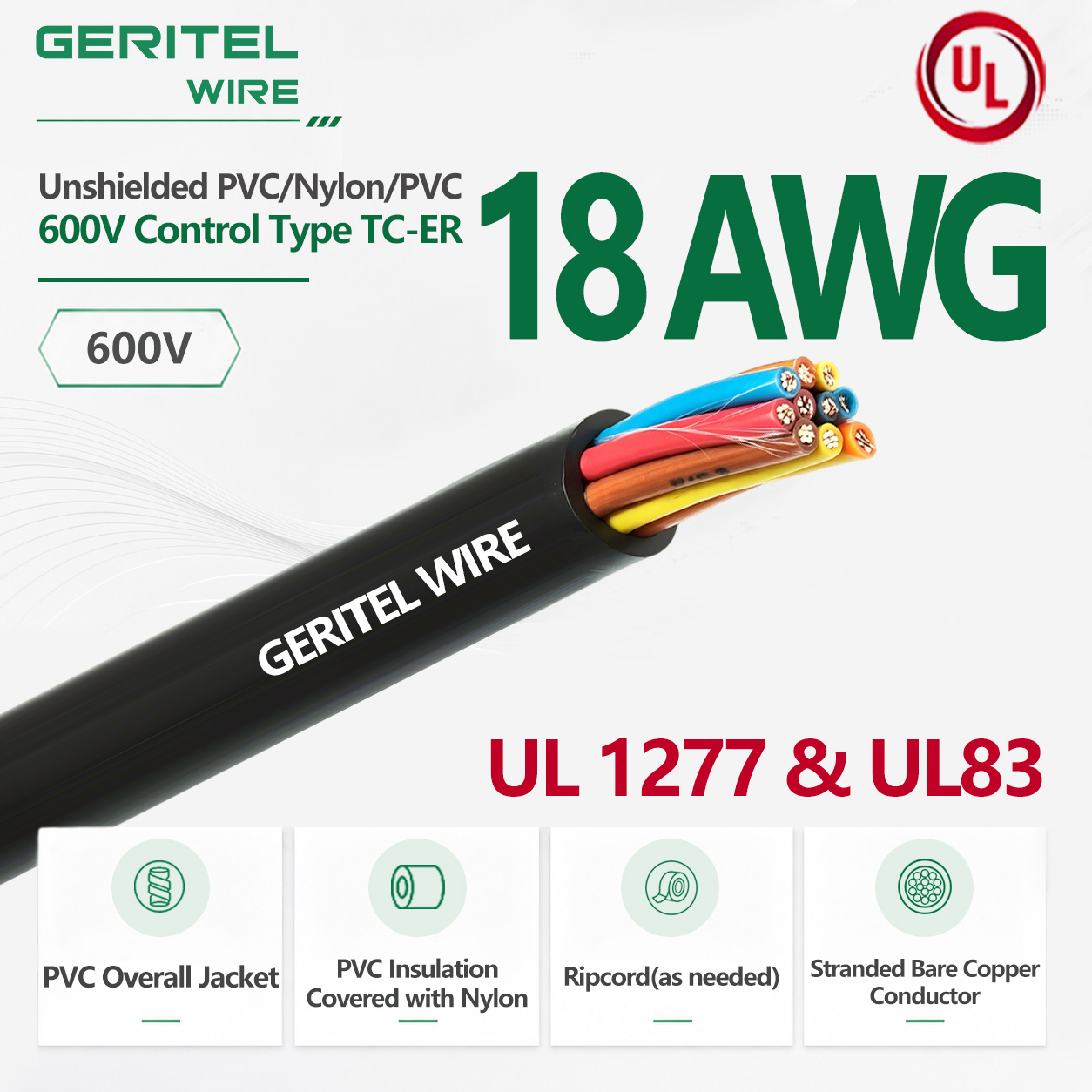
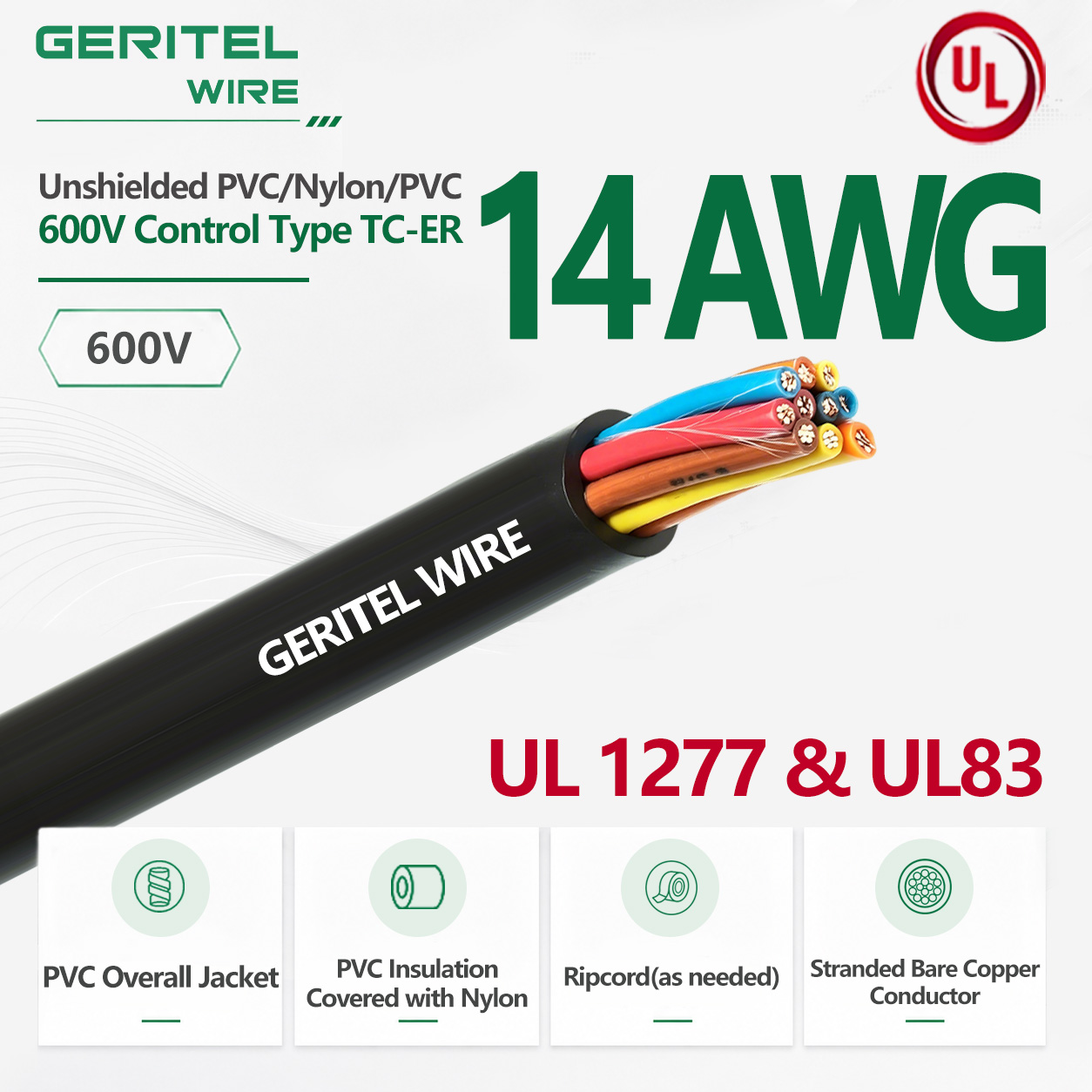
18 AWG PVC Nylon PVC Overall Shielded TC-ER Control Cable 600V
View details
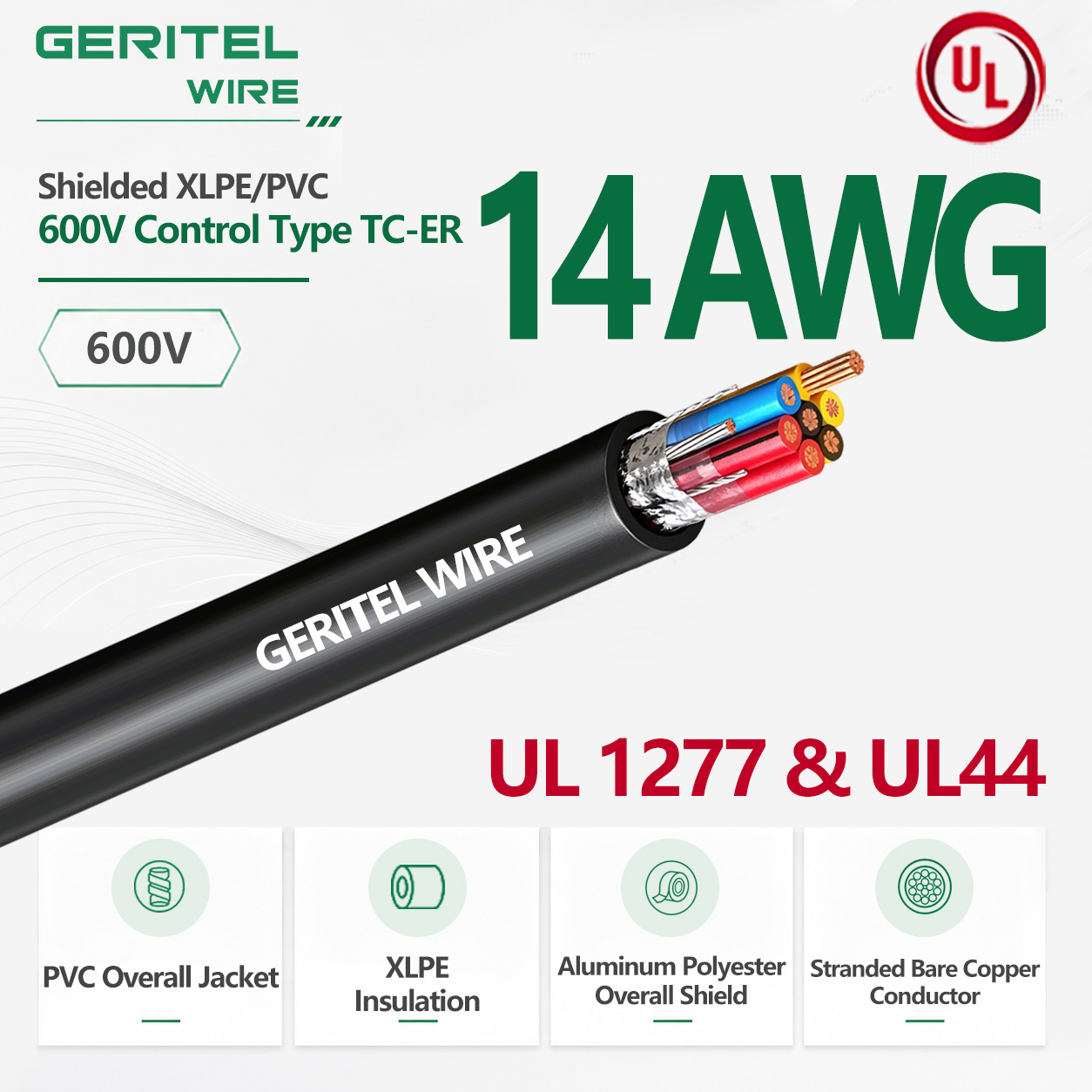
14 AWG XLPE PVC Overall Shielded TC-ER Control Cable 600V
View details
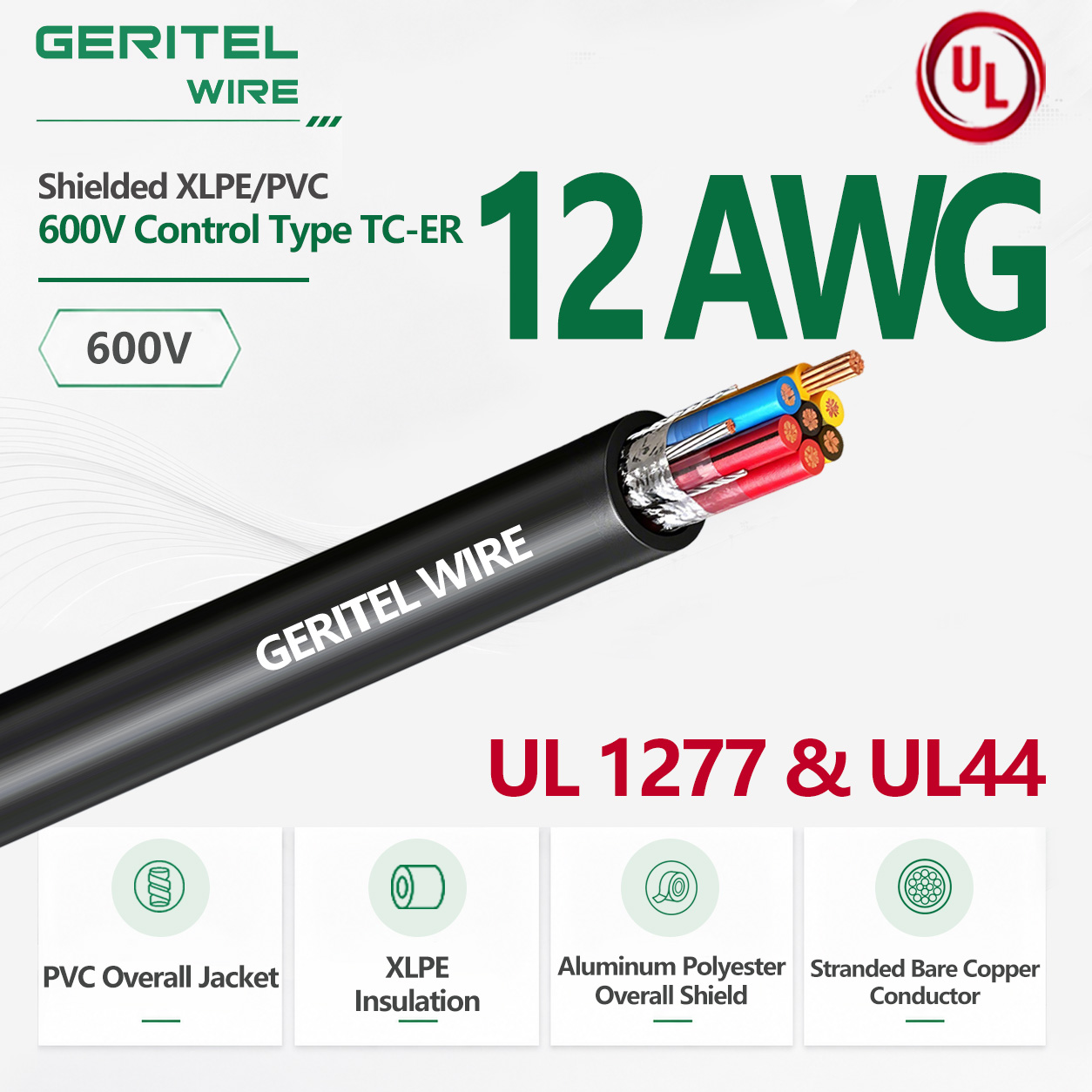
12 AWG Shielded Type TC-ER Tray Cable XLPE PVC 600V
View details
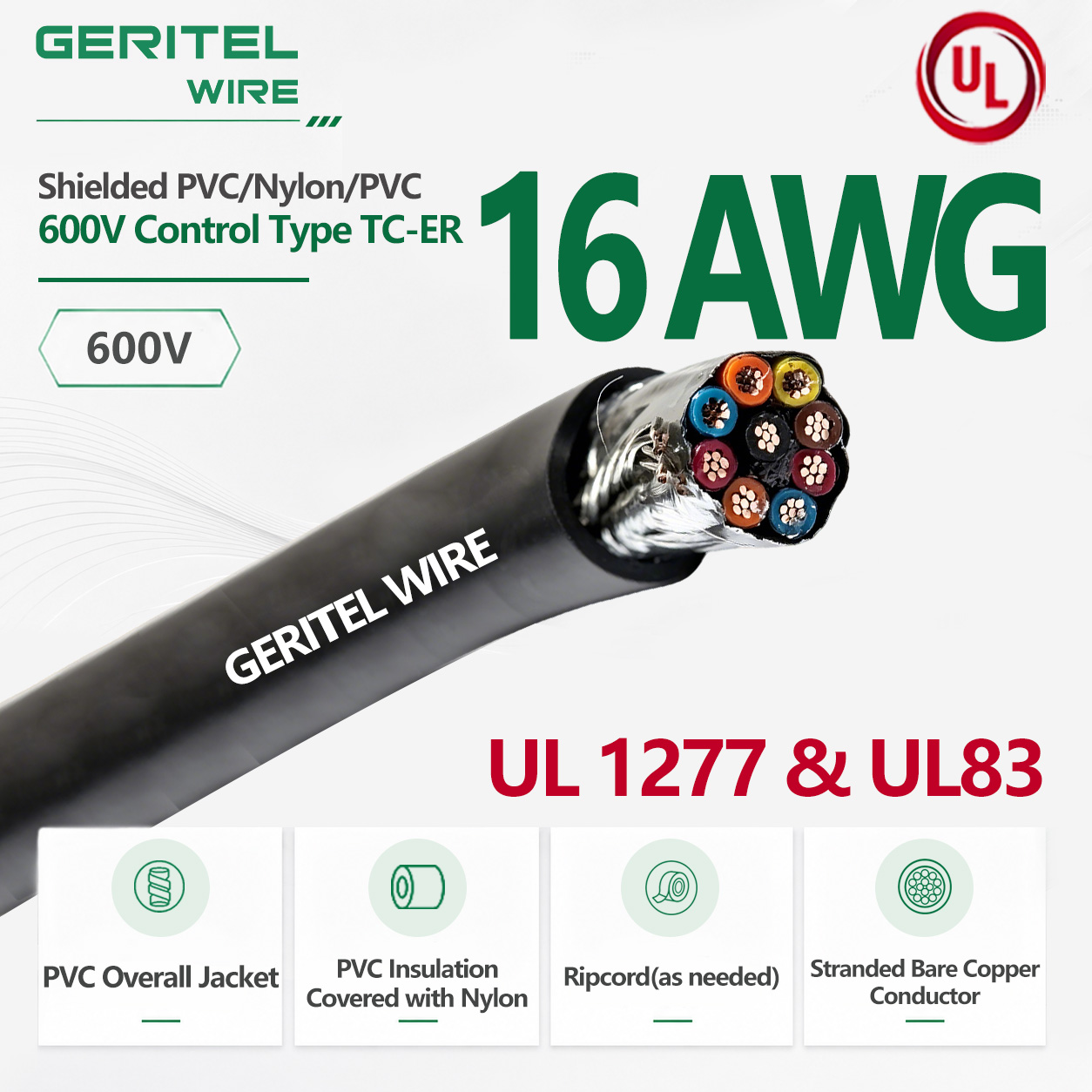
16 AWG Shielded VNTC Tray Cable PVC Nylon PVC 600V Type TC-ER
View details
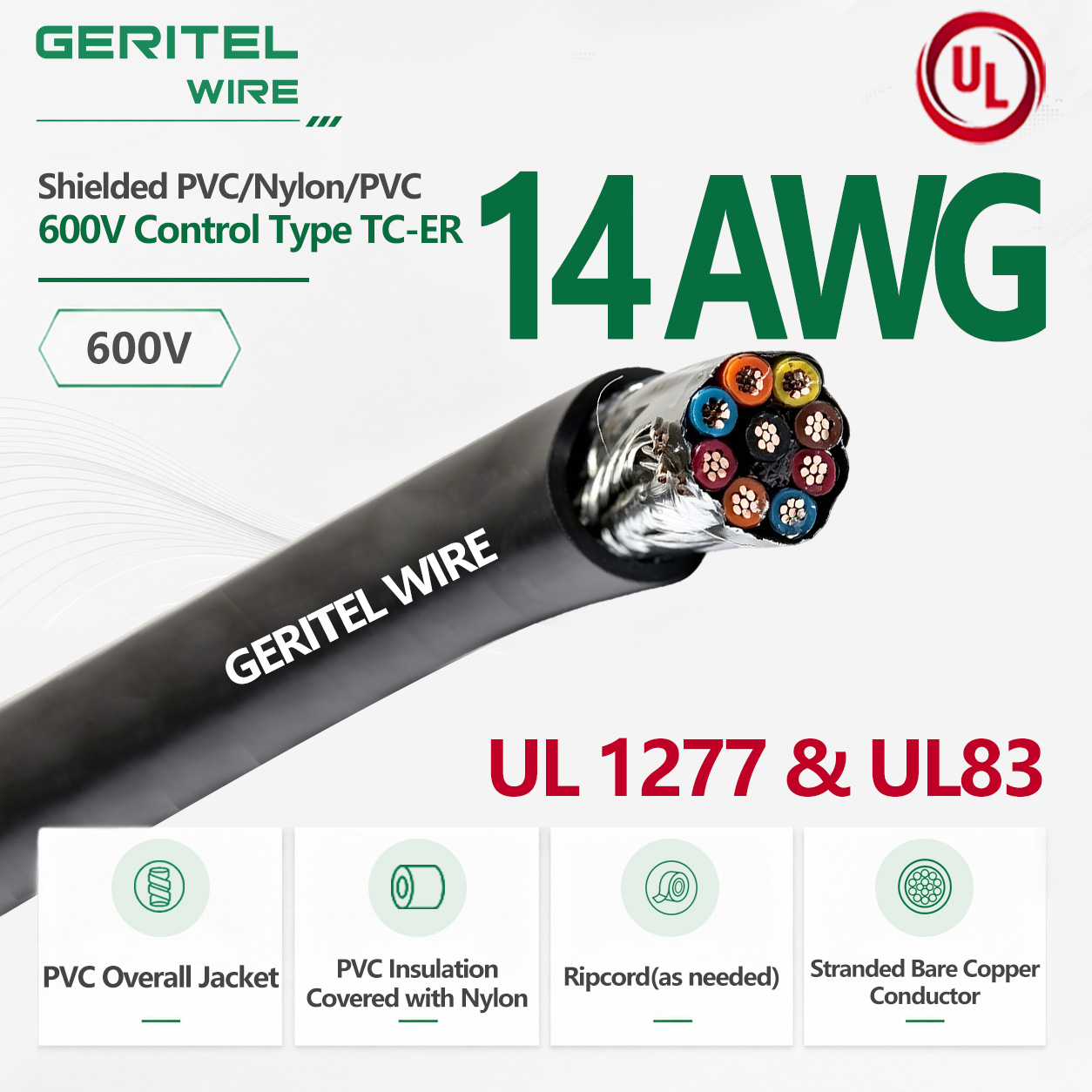
14 AWG Overall Shielded Control Tray Cable PVC Nylon PVC TC-ER 600V
View details
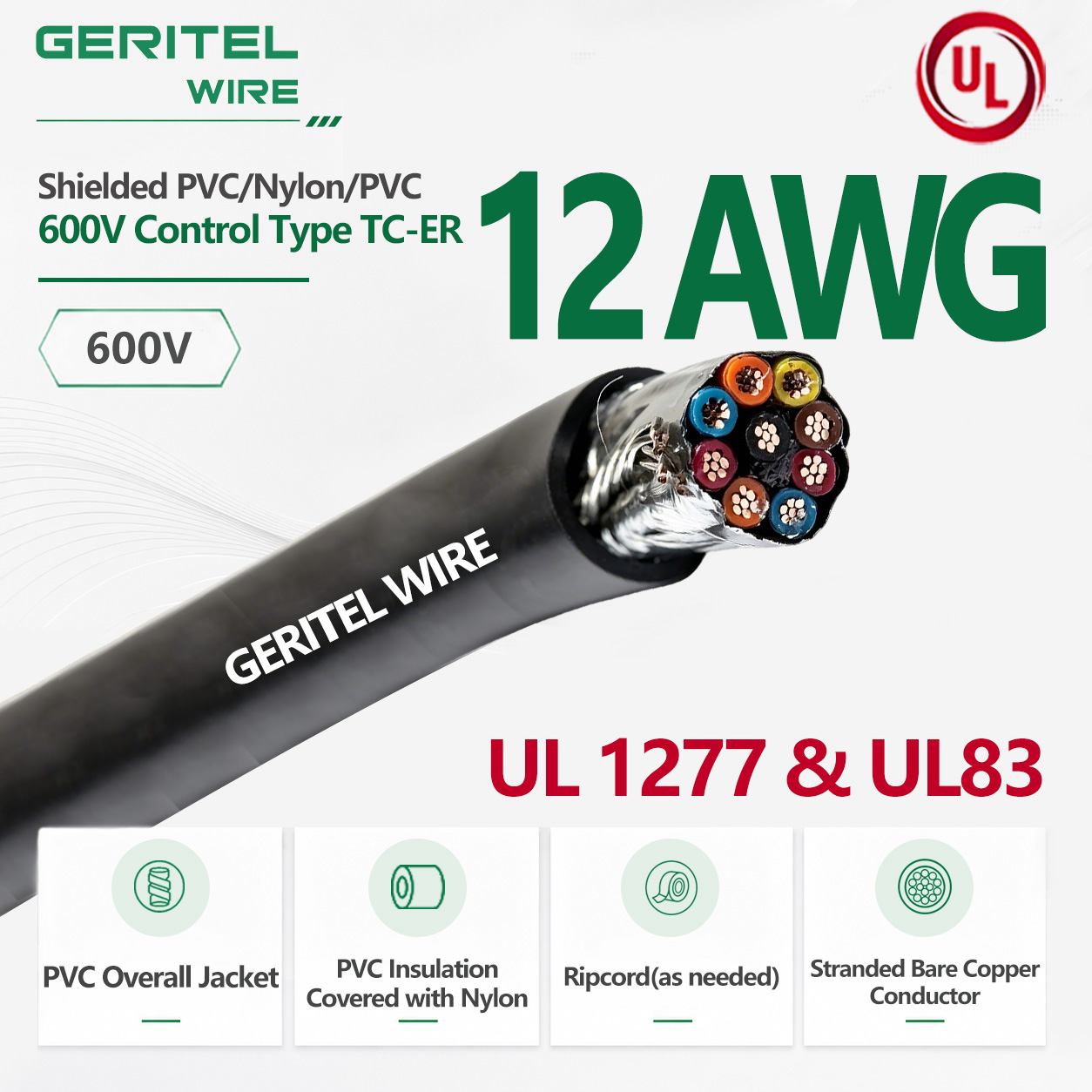
12 AWG 600V Type TC-ER Shielded Control Cable PVC Nylon PVC
View details
18 AWG PVC Nylon PVC TC-ER Control Cable 600V Unshielded
View details
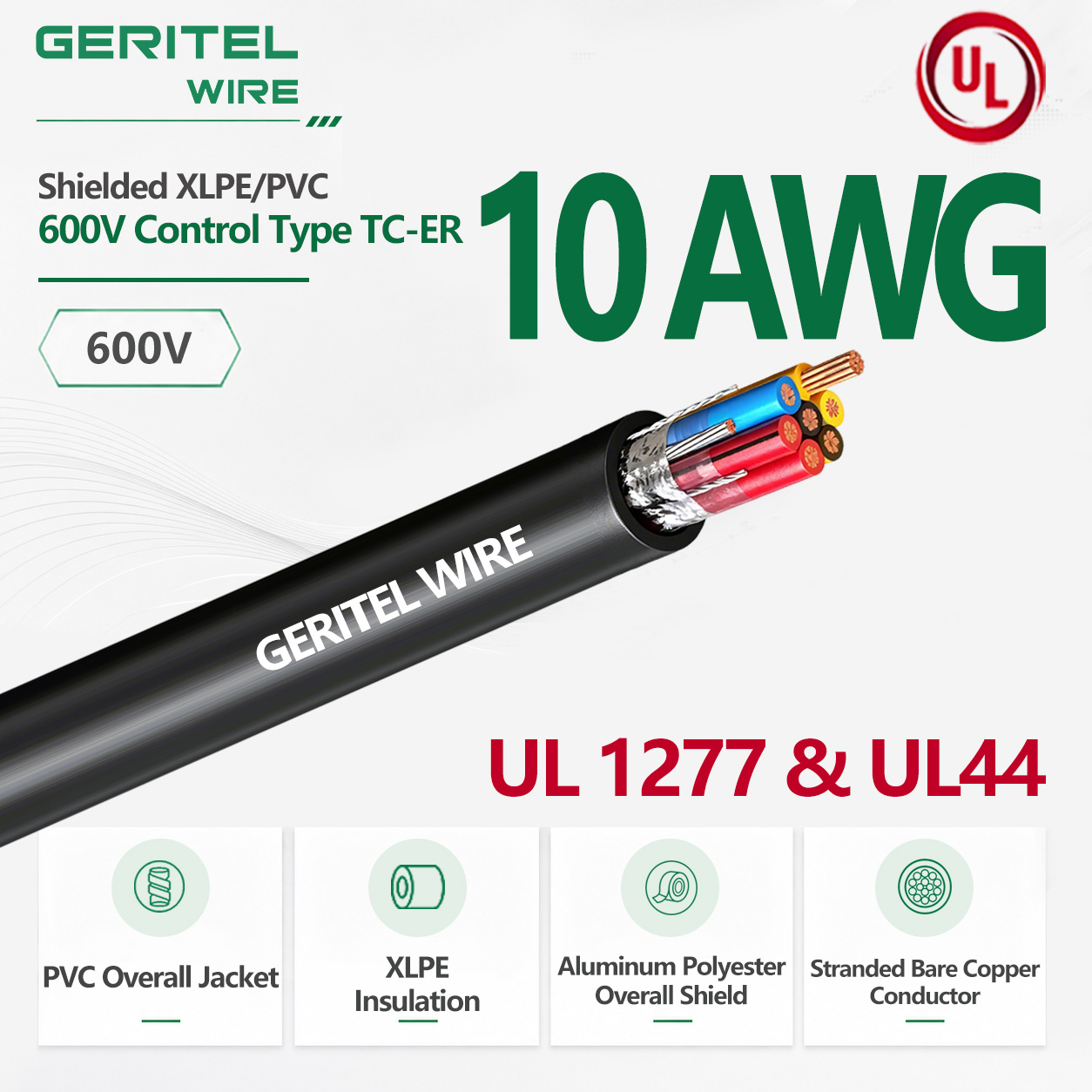
10 AWG Multi-Conductor Shielded Control Cable XLPE PVC Type TC-ER
View details
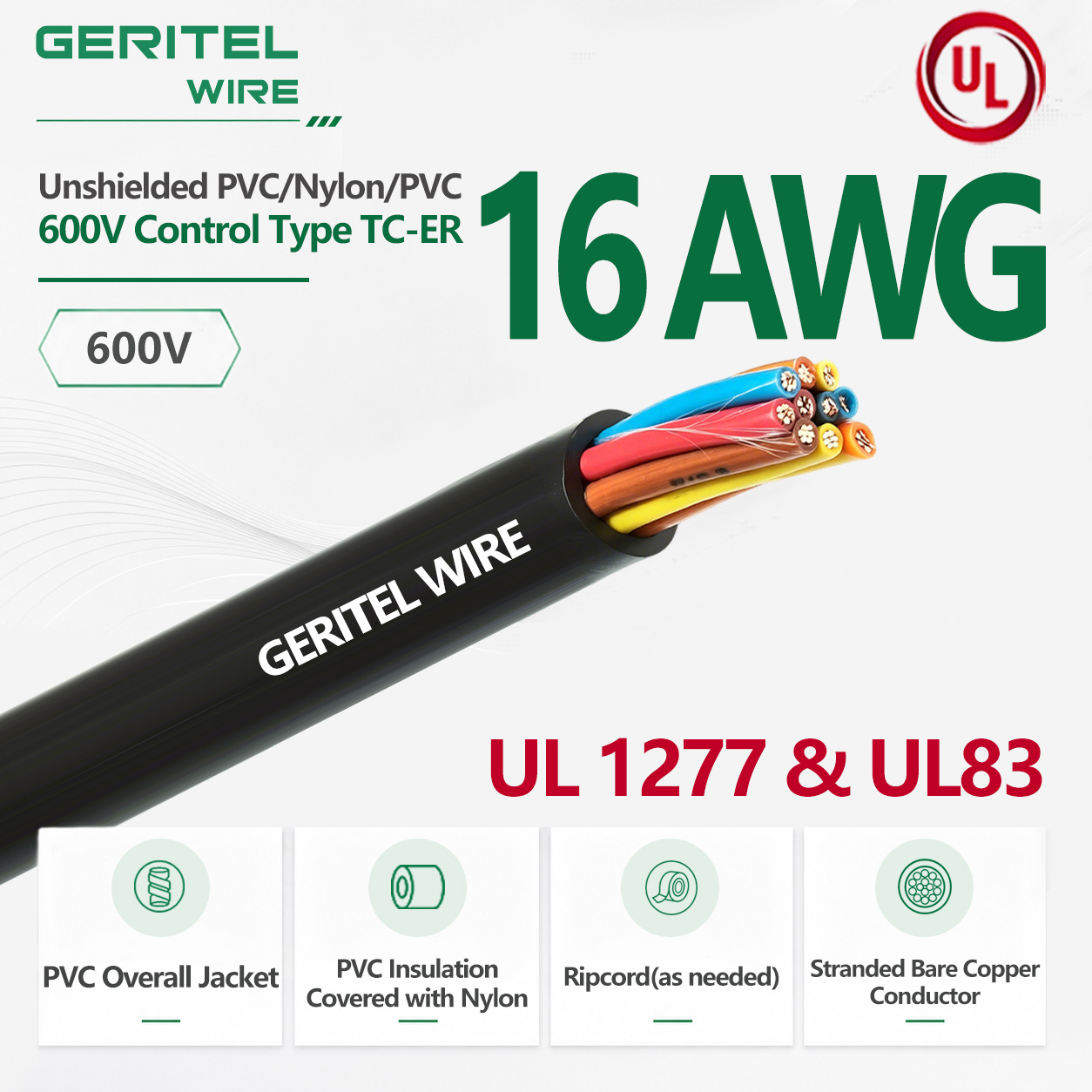
16 AWG 600V TC-ER Unshielded Control Cable with PVC Nylon
View details
14 AWG VNTC Control Cable 600V PVC Nylon PVC Type TC-ER Unshielded
View details
Maxfile size:20MB
Send Message
Send Message
×
×