


 Home
HomeXHHW-2 Wire in Underground Electrical Systems: Safety and Compliance
 GERITEL
 Jul 03,2026

Underground electrical installations are unforgiving. Once the trench is backfilled, fixing a mistake means digging it up again. The right wire and the right installation method are not optional—they are essential.
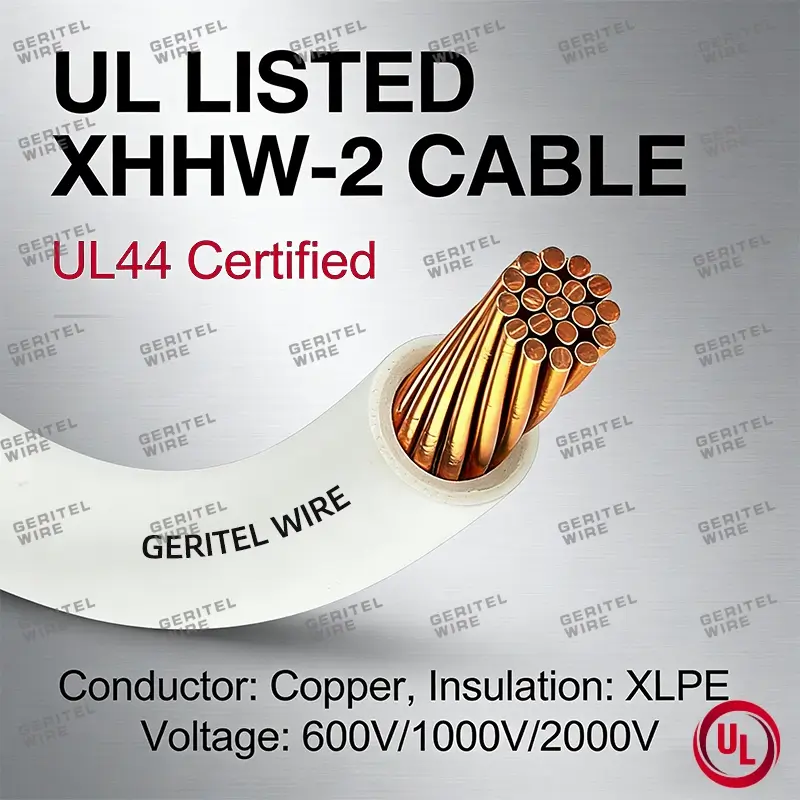
XHHW-2 wire is a common choice for underground applications. Its 90°C wet/dry rating and XLPE insulation make it suitable for damp environments. But underground installation requires more than just the right wire—it requires proper depth, protection, and compliance with code.
This article covers what you need to know about using XHHW-2 in underground electrical systems, including conduit requirements, direct burial considerations, safety practices, and code compliance.
1. Conduit Installation vs. Direct Burial
XHHW-2 wire can be installed underground in two ways.
Conduit installation. Individual XHHW-2 conductors are pulled through conduit buried underground. This provides the most protection against moisture, soil conditions, and physical damage. It is the standard method for most commercial and industrial underground runs.
Direct burial. Some XHHW-2 cable constructions are rated for direct burial—meaning they can be buried directly in the ground without conduit. However, this requires specific cable constructions with additional mechanical protection. Not all XHHW-2 is rated for direct burial. Always check the cable marking.
For underground XHHW-2 wire installations, conduit is the preferred method because it allows for future replacement, provides mechanical protection, and simplifies installation.
2. Conduit Selection for Underground XHHW-2
The choice of conduit affects installation ease and long-term reliability.
- PVC conduit. This is the most common choice for underground runs. It is non-conductive, resists corrosion, and is economical. Schedule 40 is standard; Schedule 80 provides extra crush resistance.
- Rigid metal conduit (RMC). RMC offers excellent mechanical protection and is suitable for areas where physical damage is a concern. In corrosive soil, PVC-coated RMC is available.
- Conduit sealing. Underground conduits can collect water. Proper sealing at joints and terminations is essential. Use waterproof compounds and fittings rated for underground use.
3. Burial Depth Requirements
Burial depth is a critical safety and compliance factor. The NEC specifies minimum burial depths in Table 300.5.
Typical minimum depths:
- PVC conduit under a building: 18 inches
- Direct burial cable: 24 inches
- PVC conduit under a driveway: 24 inches
- Rigid metal conduit: 6 inches
- Under roads or highways: deeper (check local codes)
Local codes may require more. Always verify with local authorities. Some jurisdictions have specific requirements for soil type, frost line, and other conditions.
XHHW-2 burial depth requirements vary by installation type. The deeper the burial, the more protection the cable has from surface activity and temperature changes.
Underground conduit for XHHW-2 should be installed with these depths in mind. When planning the trench, consider the type of conduit, the cover material, and the risk of future excavation.
4. Direct Burial Considerations
If you are using XHHW-2 cable rated for direct burial, follow these practices.
- Check the marking. Look for "DIR BUR" or "Direct Burial" on the cable jacket. If it is not marked, it cannot be buried directly.
- Use warning tape. Place warning tape 12 inches above the cable in the trench. This alerts future excavators to the presence of buried cable.
- Backfill material. Use sand or fine gravel to surround the cable and prevent damage from rocks. Do not use fill that contains sharp stones or debris.
- Cable protection. In areas with rocks, roots, or other hazards, consider additional protection like sand bedding or concrete slabs.
5. Safety Considerations for Underground XHHW-2 Installations
Underground installations pose unique risks. Here are key safety considerations.
Use proper pulling equipment. Underground conduit runs are often long and have bends. Use pulling equipment with tension monitoring to prevent excessive pulling force that can damage the XLPE insulation.
Lubricate the pull. Friction is higher in underground conduits due to moisture and soil conditions. Use wire pulling lubricant rated for XLPE insulation.
Protect terminations. Where the cable enters the building or equipment, seal the conduit to prevent water intrusion. Use waterproof terminations to keep moisture out of panels and equipment.
Consider future modifications. Install pull boxes at regular intervals—typically every 100-150 feet—to make future modifications and maintenance easier.
Document the installation. Record the cable size, depth, route, and any splices or terminations. This documentation is essential for future maintenance and troubleshooting.
FAQ
Q1: Can XHHW-2 wire be direct buried?
Only if the cable is specifically marked for direct burial. Check the cable jacket for "DIR BUR" or "Direct Burial." Not all XHHW-2 is direct burial rated.
Q2: What is the minimum burial depth for XHHW-2 in PVC conduit?
Typically 18 inches under buildings and 24 inches under driveways. Check local codes, as requirements vary by jurisdiction.
Q3: Does XHHW-2 perform well in wet underground conditions?
Yes. XHHW-2 is rated 90°C in both dry and wet locations, making it ideal for underground installations where moisture is always present.
Q4: Is warning tape required for direct burial?
Yes. Warning tape is a standard safety practice and is often required by code. It alerts future excavators to the presence of buried cable.
Need XHHW-2 Wire for an Underground Project?
Tell us about your project—installation method, depth, and length. We will recommend the right XHHW/XHHW-2 wire and send a quick quote.
Contact us
Dongguan GERITEL Electrical Co., Ltd.
Tel/WhatsApp/Wechat: +86 136 6257 9592
Tel/WhatsApp/Wechat: +86 135 1078 4550
Email: manager01@greaterwire.com
Website: www.geritelgroup.com
 Common Specifications Required When Importing XHHW/XHHW-2 Wire



 Building 2, No. 40 Luxi 2nd Road, Liaobu Town, Dongguan City, Guangdong Province, China