


 Home
HomeXHHW-2 vs THHN Wire: Which One Is Better for Industrial Wiring?
 GERITEL
 Mar 23,2026

When customers search for XHHW-2 electrical wire 600V vs THHN wire, what they are actually trying to understand is how different technical parameters will affect real industrial applications, because in practical projects the selection is not about definitions but about whether a cable can operate safely under heat, moisture, and load over long periods, and choosing the wrong type can lead to insulation failure, system downtime, and increased maintenance costs that quickly outweigh any initial savings.
Temperature Rating Defines Where Each Wire Can Be Used
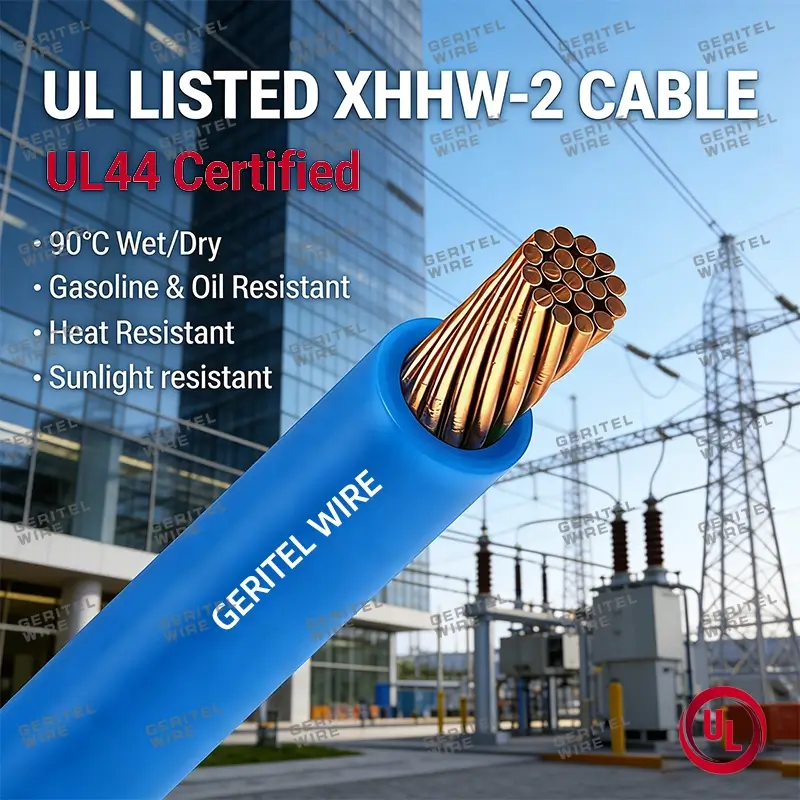
Although both XHHW-2 wire and THHN wire are commonly labeled as 90°C rated conductors, the key difference lies in the environments where this rating applies, since XHHW-2 maintains a full 90°C rating in both wet and dry locations, while THHN can only sustain 90°C in dry conditions and effectively operates at 75°C in wet environments when used as THWN, which means that in industrial projects involving outdoor conduits, underground installations, or humid workshops, this parameter directly determines whether the cable will remain stable or gradually degrade under combined heat and moisture exposure.
In real scenarios, XHHW-2 is suitable for environments where temperature and humidity coexist, while THHN should be restricted to dry indoor systems, and if this boundary is ignored, the likely outcome is overheating, accelerated insulation aging, and reduced system reliability.
Insulation Material Determines Environmental Resistance
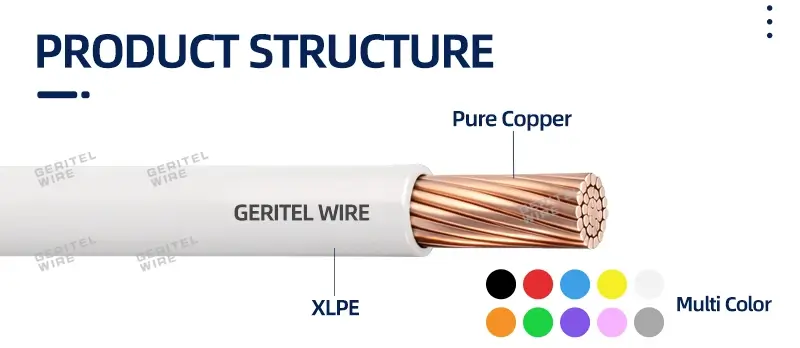
When evaluating moisture-resistant electrical wire, the critical factor is how insulation materials behave under stress, because XHHW-2 uses cross-linked polyethylene, a thermoset material that offers strong resistance to heat, chemicals, and abrasion, while THHN uses PVC insulation with a nylon jacket, which performs well in standard environments but becomes less reliable under continuous exposure to oils, solvents, or humidity.
This material difference directly defines application scenarios, as XHHW-2 electric wire power cable is designed for industrial plants, outdoor power distribution, and chemically exposed environments, whereas THHN is better suited for commercial buildings, control panels, and indoor conduit systems, and using THHN outside of these conditions may result in insulation softening, cracking, or long-term degradation that affects safety and lifespan.
Flexibility and Durability Affect Installation and Lifecycle Cost
Another important factor in industrial wiring cable selection is the balance between installation convenience and long-term durability, because THHN wire is lighter and easier to pull through conduits, which reduces installation time and labor costs, while XHHW-2, due to its thicker insulation, requires more effort during installation but provides superior durability and longer service life.
In practical terms, THHN is more suitable for projects where installation efficiency and short-term cost control are priorities, while XHHW-2 should be selected for critical systems where reliability, reduced maintenance, and long-term performance are more important, especially in installations where cable replacement would be difficult or expensive.
Moisture Resistance Sets Clear Usage Limits
For customers searching for wet location rated wire, the distinction between XHHW-2 and THHN becomes particularly important, because XHHW-2 is specifically engineered to maintain insulation integrity under continuous moisture exposure, while THHN is not intended for long-term wet environments despite its versatility.
This means that XHHW-2 should be used in outdoor installations, underground conduits, and high-humidity industrial settings, while THHN should remain in dry indoor applications, and crossing this boundary can lead to water ingress, increased leakage current, and eventual insulation failure that compromises system safety.
Comparison Based on Real Scenarios
To make a practical decision when comparing XHHW-2 vs THHN wire, it is essential to match each parameter with its actual use case, because THHN is ideal for dry, indoor, low-stress environments where ease of installation and cost efficiency are important, while XHHW-2 is designed for harsh industrial conditions involving heat, moisture, and chemical exposure, where long-term reliability and safety are the primary concerns.
Final Choice Depends on Risk and Long-Term Value
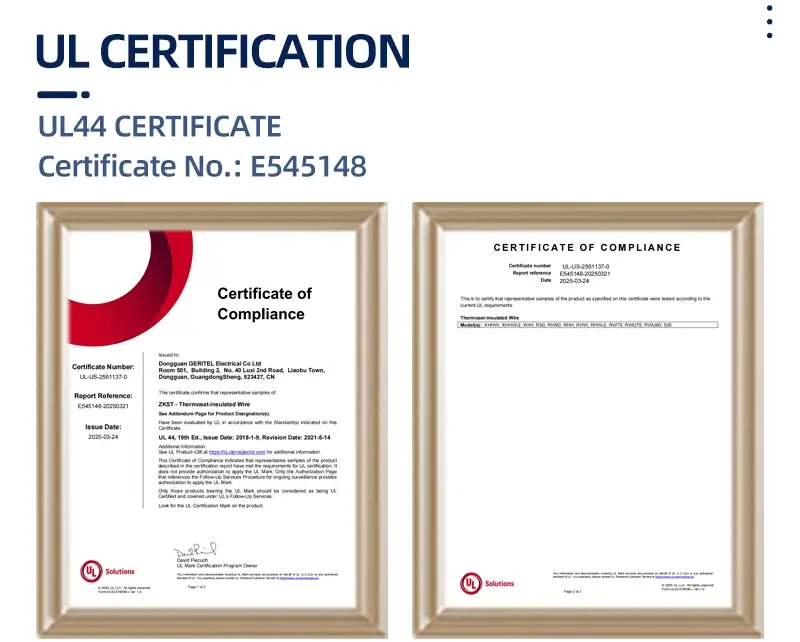
When deciding which wire is better for industrial wiring, the most important consideration is not the upfront cost but the total lifecycle cost, because selecting THHN in an unsuitable environment may result in frequent maintenance, premature replacement, and system downtime, while choosing XHHW-2 for demanding conditions ensures stable performance, reduced risk, and lower overall cost over time, especially when the cable is sourced from a certified and professional manufacturer with consistent quality and compliance.
Contact Us
Dongguan GERITEL Electrical Co., Ltd. offers high-quality XHHW-2, THHN, and other building wires, providing reliable and customized solutions for industrial, commercial, and residential projects.
Phone: +86 136 6257 9592
Email: manager01@greaterwire.com
Website: www.greaterwire.com
 600V UL44 Wire Types: XHHW-2 vs RHW-2 vs RHH



 Building 2, No. 40 Luxi 2nd Road, Liaobu Town, Dongguan City, Guangdong Province, China