


 Home
HomeUL44 Thermoset Wire Types: XHHW, RHH, RHW-2 and More Explained
 GERITEL
 Mar 23,2026

When it comes to power transmission in industrial and commercial settings, the choice of wiring is critical. If you are reviewing a spec sheet, you have likely encountered UL44. This standard governs thermoset-insulated wires—a category known for withstanding high temperatures, moisture, and chemical exposure. Among the most common types are XHHW (Cross-Linked Polyethylene High Heat Water-resistant), RHH (Rubber High Heat), and RHW-2 (Rubber High Heat Water-resistant). Understanding these wires is essential for safety and code compliance. That is why working with a certified and professional supplier is a necessity.
What is UL44?
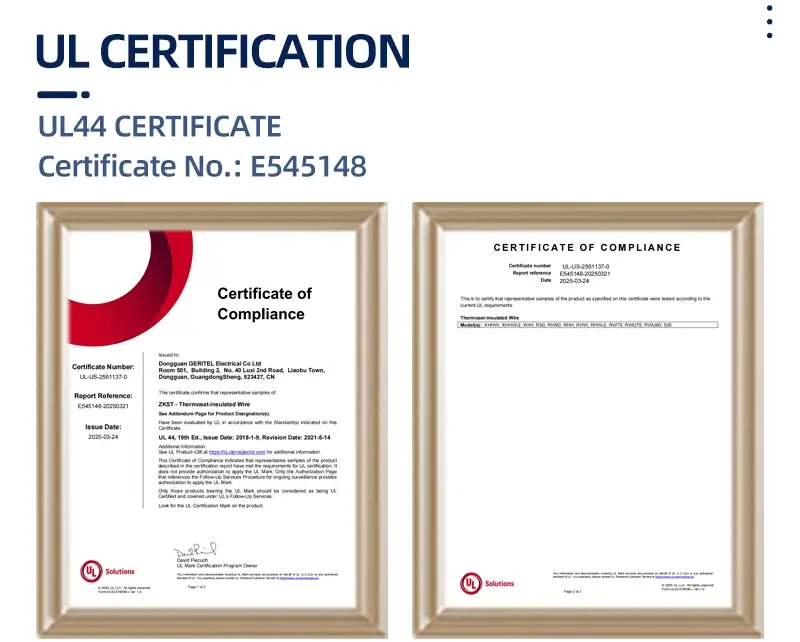
UL44 is the Underwriters Laboratories standard for thermoset-insulated wires. Unlike thermoplastic options, thermoset materials undergo a chemical change during curing, creating a structure that does not melt under high heat. Wires listed under UL44 excel in wet or dry locations and offer superior resistance to oil and ozone. When you see XHHW or RHW-2 on a jobsite, you are looking at a product built to last—provided it comes from a certified facility.
XHHW (Cross-Linked Polyethylene High Heat Water-resistant)
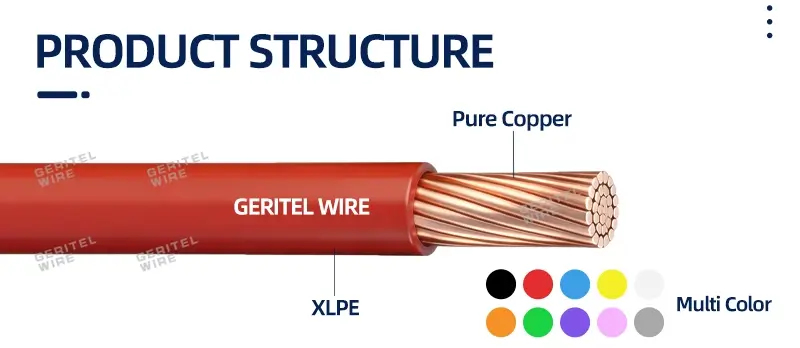
XHHW is one of the most popular thermoset wires. It features cross-linked polyethylene insulation, making it lightweight and highly abrasion-resistant. This wire is rated for both wet and dry locations. Standard XHHW handles 75°C in wet conditions and 90°C in dry conditions. For applications requiring 90°C in both environments, XHHW-2 is the better choice—ideal for underground conduit where moisture is unavoidable. To ensure consistent quality, sourcing from a professional manufacturer is essential.
RHH (Rubber High Heat) and RHW-2 (Rubber High Heat Water-resistant)
RHH features thermoset rubber insulation, rated for high temperatures up to 90°C, but it is restricted to dry locations. When moisture resistance is required, RHW-2 is the appropriate choice. RHW-2 shares the 90°C rating for both wet and dry locations but has a thicker insulation wall than XHHW, offering superior durability against impact and harsh chemicals. This makes RHW-2 a common specification for renewable energy projects and industrial plants. To meet these demanding requirements, the cable must come from a certified source.
Key Differences: XHHW vs. RHW-2
Choosing between XHHW and RHW-2 depends on your application:
Abrasion Resistance: XHHW offers superior abrasion resistance, making it easier to pull through sharp metal conduit.
Flexibility: RHW-2 is more flexible, which is advantageous in tight bends or vibration-heavy environments.
Cost: XHHW is generally more cost-effective due to thinner insulation.
Ampacity: Both types with the "-2" suffix share similar ampacity ratings under the NEC.
A professional supplier will help you navigate these differences and select the right wire for your project.
Why Certification and Professionalism Matter
In the wire and cable industry, manufacturing quality separates a safe installation from a potential hazard. While many wires claim to meet UL44 standards, not all are equal.
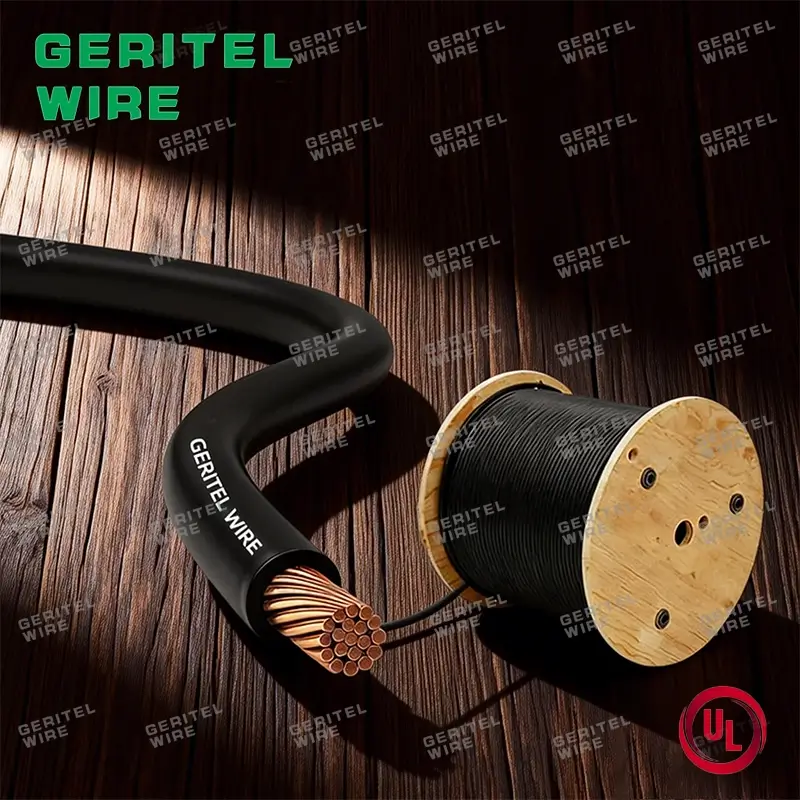
A certified manufacturer undergoes regular UL inspections to ensure consistent compliance. When you purchase XHHW or RHW-2 from a certified source, you receive a product with a traceable UL label—legal proof of compliance for local inspections.
A professional supplier also offers value-added services like custom lengths, color coding, and rigorous quality control, ensuring your project runs smoothly.
Conclusion
Whether you choose XHHW for its abrasion resistance and cost efficiency or RHW-2 for its flexibility and durability, UL44 thermoset wires are the backbone of safe electrical infrastructure. But technical specs alone aren't enough. By partnering with a certified and professional supplier, you eliminate the risk of counterfeits, ensure NEC compliance, and gain a trusted partner for your most demanding projects. When safety and performance matter, source from a name you can trust.
Contact us Now
We focus on safe, durable and cost-effective wires & cables for worldwide customers.
Tel/WhatsApp/WeChat: +86 136 6257 9592 / +86 135 1078 4550
Email: manager01@greaterwire.com
 XHHW-2 vs THHN Wire: Which One Is Better for Industrial Wiring?



 Building 2, No. 40 Luxi 2nd Road, Liaobu Town, Dongguan City, Guangdong Province, China