


 Home
Home600V UL44 Wire Types: XHHW-2 vs RHW-2 vs RHH
 GERITEL
 Mar 23,2026

When it comes to choosing the right wire for your electrical projects, selecting a 600V UL44 certified wire can be a daunting task, especially when faced with multiple options such as XHHW-2, RHW-2, and RHH. Each type has its unique features, advantages, and ideal applications. As an electrical contractor, engineer, or industrial buyer, you need to make informed decisions to ensure both safety and compliance with industry standards.
This blog post will break down the key differences between the 600V UL44 Wire Types: XHHW-2 vs RHW-2 vs RHH, and help you identify the best choice based on environmental conditions, installation needs, and budget. Let’s dive into the details!
1. Understanding the UL44 Standard & Certification Value
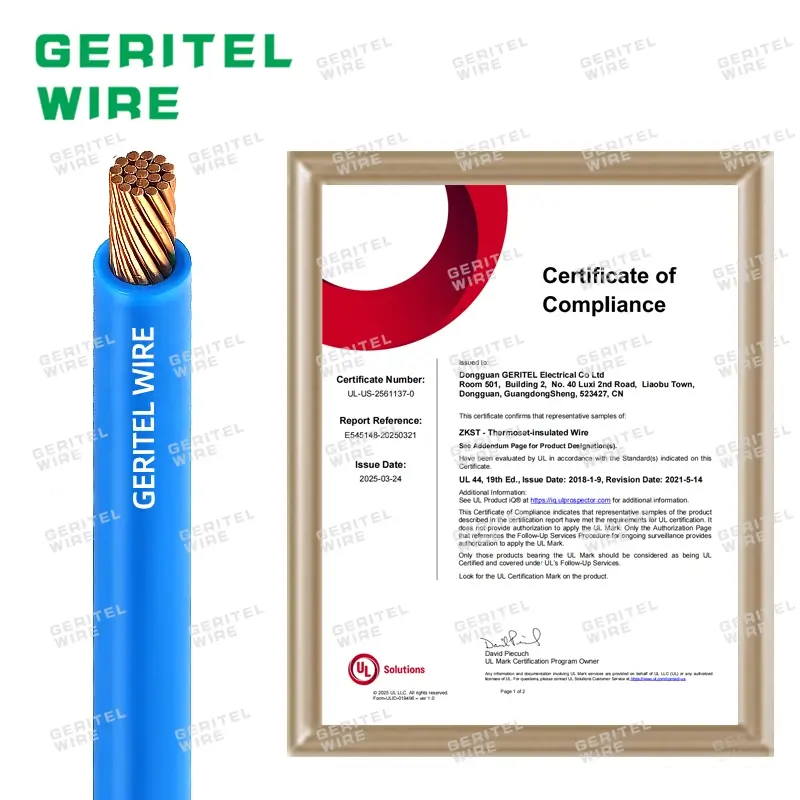
The UL44 standard covers thermoset-insulated wires used in a variety of electrical systems, ensuring that they meet strict safety and performance requirements. The UL Listing under this certification ensures compliance with national electrical codes (NEC), making UL44 wires a trusted choice for contractors and engineers working on projects where safety, quality, and durability are paramount.
All three wire types—XHHW-2, RHW-2, and RHH—are UL44 certified to safely handle up to 600 volts. This certification guarantees that they are built to withstand challenging environments, heat, moisture, and other factors without compromising performance. The UL listing for each wire type adds an extra layer of assurance, making them suitable for both residential and commercial projects, as well as industrial and heavy-duty installations.
2. Detailed Breakdown of XHHW-2, RHW-2, and RHH Wires
Each of these wire types differs in terms of materials, construction, and performance. Let’s look deeper into each type to understand how they compare.
2. 1 XHHW-2 Wire
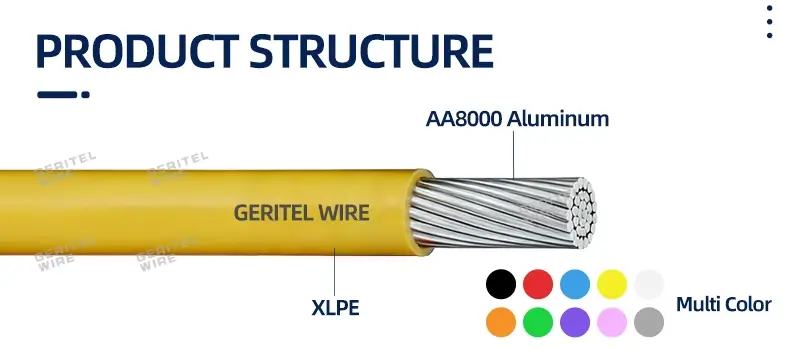
- Conductor Material: Typically made from copper or aluminum.
- Insulation Material: The insulation is made from cross-linked polyethylene (XLPE), offering excellent heat and chemical resistance.
- Jacket/Sheath Material: Polyvinyl chloride (PVC) or thermoplastic.
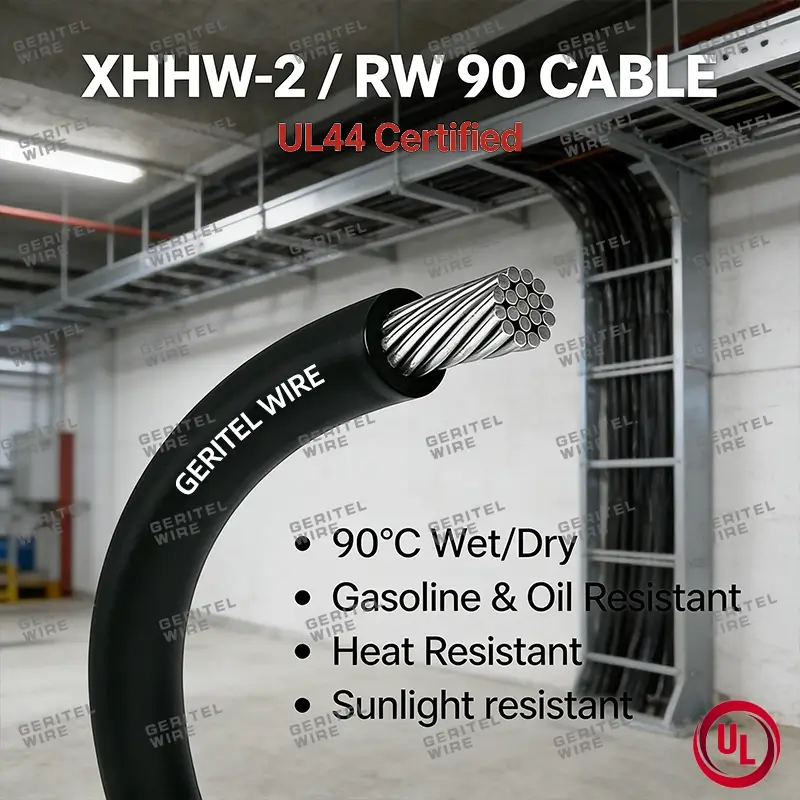
- Temperature Rating: Rated for up to 90°C in wet or dry conditions.
- Voltage Rating: Up to 600 volts.
- Advantages: XHHW electric wire utility cable is known for its outstanding thermal resistance, making it ideal for high-temperature environments. Its chemical and moisture resistance makes it suitable for installations in industrial settings, especially in areas where exposure to harsh chemicals is common.
2. 2 RHW-2 Wire
- Conductor Material: Copper or aluminum conductors.
- Insulation Material: Ethylene Propylene Rubber (EPR) insulation.
- Jacket/Sheath Material: The jacket is made of PVC, offering basic protection.
- Temperature Rating: Rated for 90°C in both wet and dry conditions.
- Voltage Rating: Up to 600 volts.
- Advantages: RHW-2 wires are flexible and moisture-resistant, making them perfect for applications in wet environments. Their rubber insulation provides additional flexibility and resistance to abrasion.
2. 3 RHH Wire
- Conductor Material: Copper or aluminum conductors.
- Insulation Material: Ethylene Propylene Rubber (EPR) insulation similar to RHW-2.
- Jacket/Sheath Material: PVC.
- Temperature Rating: Rated for up to 90°C in wet or dry conditions.
- Voltage Rating: Up to 600 volts.
- Advantages: RHH shares many similarities with RHW-2 but is better suited for dry environments where the wire may not come into contact with moisture regularly. It is ideal for use in conduit installations or areas where additional protection from physical damage is needed.
3. Performance Comparison: XHHW-2 vs RHW-2 vs RHH
Now that we’ve explored the structural breakdown of each wire type, it’s time to assess their performance in real-world scenarios. Here’s how each wire stacks up when it comes to various environmental factors:
3. 1 Environment Adaptability
- XHHW-2: Best for indoor dry applications, but also performs well in wet conditions. Highly suitable for industrial settings where exposure to harsh chemicals and heat is expected.
- RHW-2: Performs excellently in both wet and dry environments, making it versatile for outdoor and underground installations.
- RHH: Primarily suited for dry conditions and conduit installations, but can handle moisture if necessary.
3. 2 Heat Resistance
- XHHW-2: Can withstand high temperature extremes, making it perfect for applications where heat buildup is a concern.
- RHW-2 and RHH: Both perform well under normal heat conditions but are not designed to handle the higher temperatures that XHHW-2 electric wire power cable can endure.
3. 3 Chemical & Moisture Resistance
- XHHW-2: Strong chemical resistance due to XLPE insulation, making it a preferred choice for chemical plants and power stations.
- RHW-2 and RHH: Both wires offer moisture resistance but differ in terms of chemical durability. RHW-2 offers better overall moisture protection for wet applications.
4. Choosing the Right Wire for Your Project
When deciding between XHHW-2, RHW-2, and RHH, consider the following key factors:
- Environmental Conditions: For wet or underground environments, RHW-2 is ideal. XHHW-2 is better for dry, high-temperature settings, while RHH is suited for conduit installations in dry environments.
- Temperature and Heat Resistance: If your project requires high heat resistance, opt for XHHW-2. Otherwise, RHW-2 and RHH can meet standard temperature needs.
- Installation Type: RHW-2 and RHH are more flexible, making them ideal for installations that involve tight bends or difficult routing. XHHW-2, while durable, is typically used in industrial settings that require rigid installations.
5. FAQ
Q1: What does the "UL44" certification mean?
A1: UL44 is a safety standard that certifies thermoset-insulated wires for use in electrical installations. It ensures compliance with NEC and guarantees that the wires can handle high temperatures and resist moisture, chemicals, and mechanical damage.
Q2: Can XHHW-2 be used in outdoor installations?
A2: Yes, XHHW-2 can be used in both dry and wet environments, making it versatile for outdoor applications.
Q3: What is the difference between RHW-2 and RHH?
A3: The primary difference is that RHW-2 is more suitable for wet environments, while RHH is best for dry environments or installations that require conduit protection.
6. Why Trust Our Brand?
When selecting UL44 certified wires, choosing a supplier that ensures strict UL certification testing and consistent quality control is critical. At Dongguan GERITEL Electrical Co., Ltd., we are committed to delivering reliable, certified products backed by excellent customer support. Whether you're a contractor, engineer, or buyer, you can trust that our wires will meet the highest industry standards and support the success of your electrical projects.
7. Conclusion: Make the Smart Choice for Safe, Compliant Electrical Installations
Choosing the right 600V UL44 wire is essential for the safety, longevity, and reliability of your electrical projects. Whether you go with XHHW-2, RHW-2, or RHH, make sure your choice aligns with the environmental conditions, performance requirements, and installation needs of your specific application. UL44 certification ensures that all three wire types meet the necessary safety standards, giving you peace of mind throughout the project.
Need help choosing the right wire? Contact us today for expert advice and a seamless purchasing experience.
Contact us today:
Dongguan GERITEL Electrical Co., Ltd.
Tel / WhatsApp / WeChat: +86 135 1078 4550 / +86 136 6257 9592
Email: manager01@greaterwire.com
 XLPE Insulated Building Wire: Why XHHW-2 Is Widely Used



 Building 2, No. 40 Luxi 2nd Road, Liaobu Town, Dongguan City, Guangdong Province, China