



 Home
HomeXHH vs XHHW Wire: Dry vs Wet Location Ratings Explained
 GERITEL
 Mar 24,2026

Selecting the right type of electrical wire is critical to ensuring safety, code compliance, and long‑term performance. Two commonly discussed types are XHH and XHHW wire. Whether you're a professional electrician or a DIY enthusiast, understanding their differences, especially regarding dry vs wet location ratings, can save you from costly mistakes and potential hazards. In this guide, we break down everything you need to know while highlighting our certified, professional-grade wiring products.
Understanding XHH and XHHW Wire
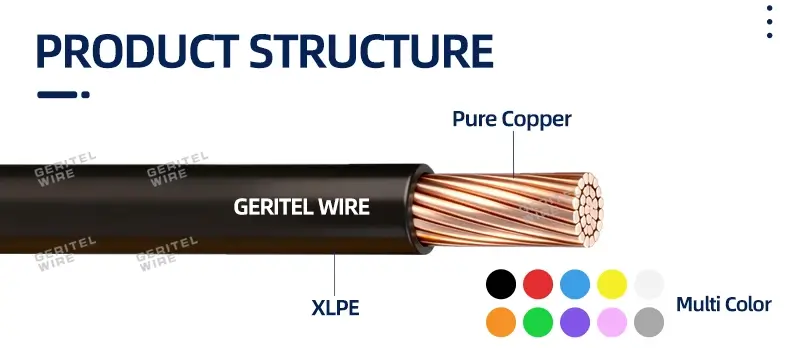
XHH stands for Cross-Linked High Heat-resistant wire. It is designed primarily for dry locations where exposure to moisture is minimal. Its construction allows it to handle high temperatures, making it ideal for industrial and residential applications where heat resistance is critical.
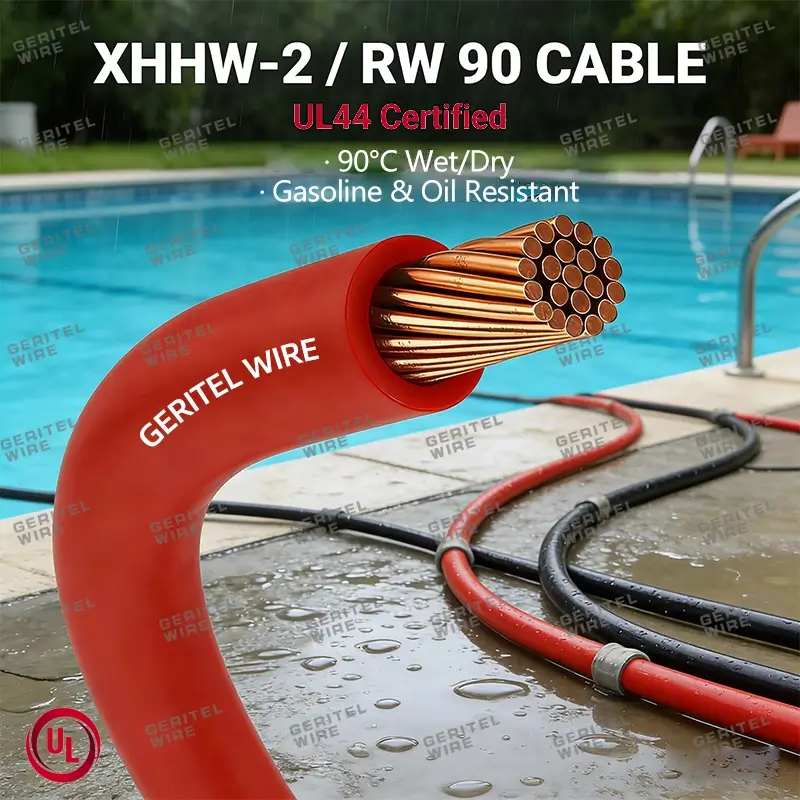
XHHW, or Cross-Linked High Heat-resistant Water-resistant wire, is a step up from XHH. As the name suggests, XHHW is suitable for wet locations, meaning it can handle exposure to moisture without degrading or compromising safety. This makes it a popular choice for outdoor installations, underground conduit, and wet environments—including applications requiring XHHW cable electrical distribution and XHHW-2 electric wire feeder cable.
Our certified XHH and XHHW wires meet strict industry standards, ensuring both safety and durability, which is essential for professional electrical installations.
Dry vs Wet Location Ratings
One of the most important considerations in wire selection is whether the installation site is classified as dry or wet. Here's what the ratings mean:
Dry Location: Areas that are not subject to moisture. Examples include indoor residential wiring, commercial offices, and heated storage rooms. XHH wire is typically used here due to its heat resistance.
Wet Location: Areas exposed to water, condensation, or direct moisture. Examples include outdoor conduits, basements prone to dampness, and areas near water lines. XHHW wire is ideal for these scenarios because it is water-resistant and highly durable.
Selecting the wrong wire for a wet location can lead to insulation breakdown, short circuits, or even electrical fires. This is why professional-grade, certified wiring is non-negotiable.
Material and Construction Differences
XHH and XHHW wires may look similar, but their construction is different:
XHH Wire: Insulated with cross-linked polyethylene, providing high-temperature resistance. It is more flexible for indoor routing.
XHHW Wire: Uses a similar cross-linked insulation but is reinforced for moisture resistance, making it suitable for conduits that might see water exposure.
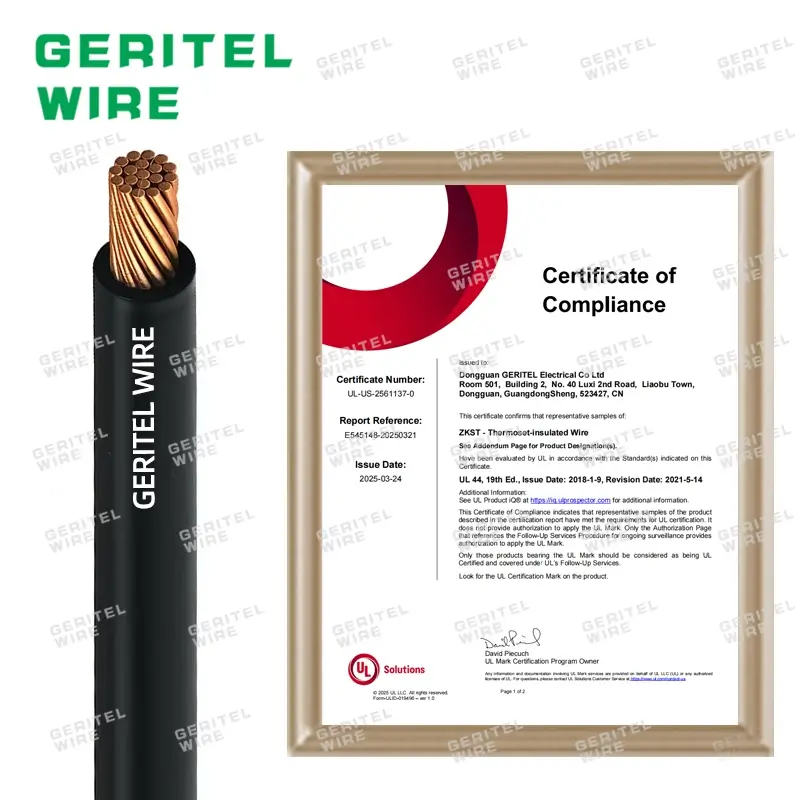
Our products come with official certifications proving that they meet or exceed safety and quality standards. When you choose our wiring, you choose peace of mind.
Applications of XHH vs XHHW Wire
Here’s a quick reference:
| Wire Type | Suitable Location | Typical Use Cases |
| XHH | Dry only | Indoor residential wiring, office cabling, heated areas |
| XHHW | Dry & Wet | Outdoor lighting, underground conduits, wet or damp industrial sites |
Understanding these differences ensures long-term reliability and prevents costly replacements. For professionals, using certified XHHW wire means meeting building codes without compromising on safety.
Safety Standards and Certifications
Electrical safety is not a matter to compromise. Certified wiring ensures compliance with local and international standards. Both XHH and XHHW wires should have:
- UL (Underwriters Laboratories) or equivalent certification
- Compliance with NEC (National Electrical Code) guidelines
- High-quality insulation for heat and moisture resistance
Our wiring products are fully certified, giving electricians and contractors confidence that their installations are safe, reliable, and code-compliant.
Choosing Between XHH and XHHW Wire
When deciding which wire to use, consider the environment and application:
- Check the Location: Is it dry, damp, or wet?
- Evaluate Heat Exposure: Both XHH and XHHW are heat-resistant, but extremely high temperatures may require specialized insulation.
- Prioritize Safety: Always use certified wiring to reduce risks.
For professional projects, we recommend XHHW wire for any potential moisture exposure. Using certified, professional-grade wire not only meets code requirements but also enhances the longevity and safety of your electrical systems.
Benefits of Professional, Certified Wiring
- Safety Assurance: Prevents short circuits, fire hazards, and insulation failures
- Compliance Guaranteed: Meets NEC and local building codes
- Durability: Long-lasting insulation and performance, even in wet conditions
- Peace of Mind: Certified products mean fewer maintenance issues and reduced liability
Choosing professional-grade wiring is a small upfront investment that saves time, money, and headaches in the long run.
Conclusion
Understanding the differences between XHH and XHHW wire and their respective dry vs wet location ratings is critical for any electrical project. XHH wire excels in dry, heat-prone environments, while XHHW wire is your go-to for wet or damp areas. Always prioritize certified, professional-grade wiring to ensure safety, reliability, and code compliance.
Contact us Today
Reliable cables, reliable power. Choose DONGGUAN GERITEL ELECTRICAL Co., Ltd choose safety.
⚡ Tel/WhatsApp/WeChat: +86 136 6257 9592 / +86 135 1078 4550
⚡ Email: manager01@greaterwire.com
 UL44 Thermoset Building Wire Buying Guide for Electrical Engineers



 Building 2, No. 40 Luxi 2nd Road, Liaobu Town, Dongguan City, Guangdong Province, China