


 Home
HomeWhy THHN Wire Is Widely Used in the United States
 GERITEL
 Mar 26,2026

In the United States, THHN wire is a common choice for electrical wiring in residential, commercial, and industrial applications. As an electrical engineer, contractor, or project procurement specialist, you’re probably familiar with THHN electrical cable UL listed but may not always know how to choose the correct size and specifications for your projects. While THHN wire is well-known, understanding its exact applications and selecting the right one for specific environments can make a significant difference in both safety and cost-efficiency. Incorrect wire selection can lead to safety hazards, code violations, and unnecessary expenses—issues no one wants to face. This blog explains why THHN wire is widely used in the United States and offers essential insights into how to select the right THHN wire for your projects.
1. Why Is THHN Wire So Common in the U.S.?
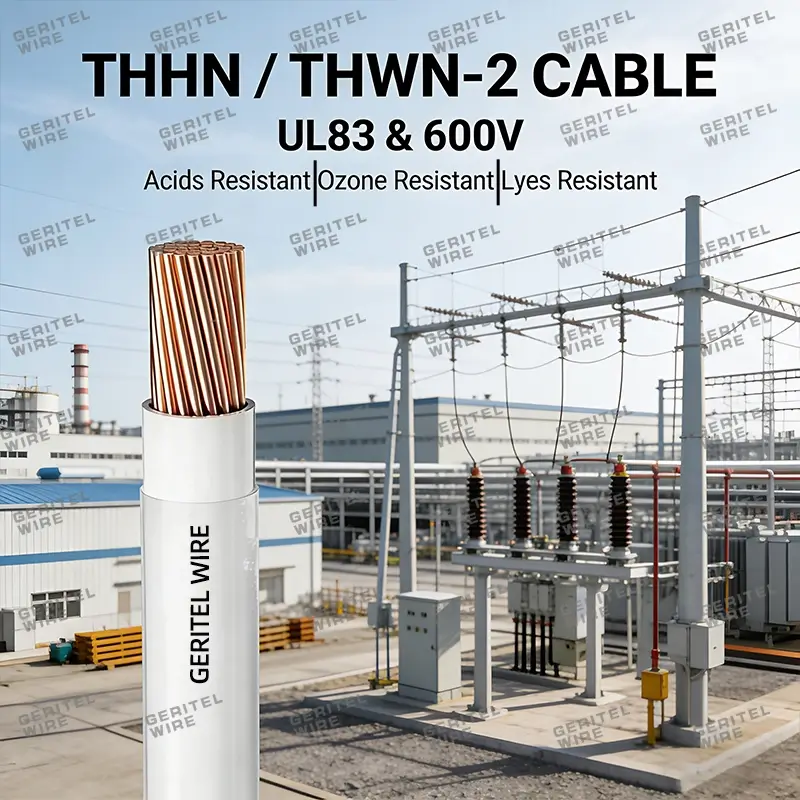
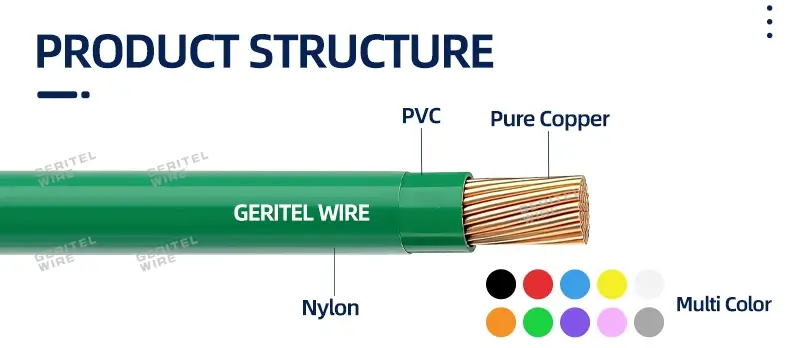
THHN wire is a versatile and widely adopted choice in the U.S. due to its combination of durability, flexibility, and compliance with electrical safety standards. It is made with a PVC insulation layer and a nylon sheath that provides both flexibility and abrasion resistance, making it ideal for a wide range of applications. All THHN wire products meet the requirements of UL83 and related ASTM standards, ensuring they are compliant with the regulations that govern electrical installations in the U.S. This makes it a go-to option for electrical contractors and engineers.
However, the widespread usage of THHN cable for construction wiring isn’t just due to its construction or certifications—it’s mainly driven by its adaptability to various environments and load requirements. Understanding the parameters of THHN wire, such as wire gauge (AWG), voltage rating, and temperature rating, is key to making an informed choice.
2. Key Parameters of THHN Wire and Their Application Scenarios
Understanding the technical specifications of THHN wire is crucial to choosing the right product for your project. Here’s a breakdown of how key parameters influence its use.
THHN Wire Gauge (AWG) Selection for Different Projects
THHN wire comes in various gauges (AWG), each suitable for different applications based on the load it needs to carry and the environment it will be installed in. The most common gauges include 14 AWG, 12 AWG, 10 AWG, 2 AWG, and 4/0 AWG. Below are some typical scenarios where these gauges are used:
- 14 AWG: Ideal for low-power residential circuits like lighting.
- 12 AWG: Suitable for small appliances and standard household outlets.
- 10 AWG: Used for medium-power circuits such as kitchen and bathroom appliances.
- 2 AWG: Best for industrial equipment and high-power feeders.
- 4/0 AWG: Commonly used in the main power distribution systems of large commercial buildings.
Each of these wire gauges has a different ampacity (the amount of current it can safely carry). For example, a 12 AWG THHN wire in a 90°C environment can handle up to 35 amps. However, the actual ampacity can vary depending on the environment, such as the ambient temperature and the bundling of multiple wires together, which may require derating.
Voltage and Temperature Ratings of THHN Wire
THHN power wire for conduit use has a voltage rating of 600V and a temperature rating of 90°C (in dry environments). These ratings allow it to handle a wide range of residential, commercial, and industrial electrical tasks. For dry indoor applications such as lighting and control circuits, this rating is more than sufficient.
For environments where moisture is present, such as damp basements or control panels with cooling systems, you may want to consider using THWN-2, which can withstand a 90°C temperature rating in wet conditions. While THHN is perfect for dry environments, if you’re dealing with more humid areas, it’s important to opt for wire that’s rated for wet conditions.
3. How to Select the Right THHN Wire for Your Project
Now that we’ve discussed key parameters, it’s time to guide you on selecting the right THHN wire for your specific needs. Consider these practical examples based on different project scenarios:
Scenario Matching
- Residential Wiring: If you're working on residential renovation projects or wiring small household appliances in dry environments, 14-10 AWG THHN wire is a good fit.
- Commercial Buildings: For medium-load wiring in commercial buildings, such as outlets and lighting systems in dry or mildly damp environments, 10-2 AWG is commonly used.
- Industrial Wiring: In industrial settings where high-power equipment requires wiring, 2 AWG and larger sizes are typically required. These installations may also require THWN-2-rated wire if there’s a chance of exposure to moisture.
Consequences of Incorrect Wire Selection
Choosing the wrong size or type of wire can lead to various issues, including:
- Using THHN in Damp Environments: In wet conditions such as outdoor spaces, basements, or areas exposed to water (like drainage systems), using standard THHN wire without the THWN-2 rating can lead to insulation breakdown, resulting in electrical short circuits or even fires.
- Undersized Wires: Selecting wire that is too small for the application can lead to overheating, reducing the effectiveness of the electrical circuit and increasing the risk of equipment failure or fire.
- Oversized Wires: Using wire that is too large may not only increase your upfront material costs, but it could also lead to unnecessary labor costs during installation due to the difficulty in handling thicker cables.
4. THHN vs Other Wire Types: What You Need to Know
One of the common comparisons customers often make is between THHN and other wire types like XHHW or XHHW-2. Both XHHW and XHHW-2 wires are designed with more durable insulation, particularly suited for moist or outdoor environments.
- THHN Wire: Flexible, cost-effective, and perfect for dry to moderately damp environments. It is ideal for indoor wiring in residential, commercial, and light industrial applications.
- XHHW and XHHW-2 Wire: These wires are made with XLPE insulation, which is highly resistant to moisture and environmental stress. They’re suitable for harsher conditions like outdoor or underground installations. However, they come at a higher cost and are less flexible, making them more difficult to install compared to THHN.
Thus, for most indoor applications in dry environments, THHN is the ideal choice. But for installations exposed to moisture or outdoor environments, you may want to opt for XHHW or XHHW-2.
When Not to Use THHN Wire
While THHN wire is widely used, there are some scenarios where it’s not suitable:
- Prolonged Exposure to Water: THHN wire is not designed for constant immersion in water or highly corrosive environments.
- Extreme High Voltage: THHN is rated for a maximum voltage of 600V. For higher voltage installations, specialized wire types are needed.
- Fire Safety: THHN wire, while safe for most applications, produces smoke when burned and may not be the best option for areas with strict fire safety requirements, such as hospitals or high-security facilities.
5. Other Reasons Why THHN Wire Is a Preferred Choice in the U.S.
Apart from its technical specifications, THHN wire enjoys widespread use in the U.S. for additional reasons:
- It complies with the National Electrical Code (NEC), making it an essential component for electrical wiring in U.S. homes and businesses.
- The nylon sheath offers a self-lubricating property that makes the wire easy to install in conduits, saving time and labor costs.
- Lightweight and compact, THHN wire is ideal for use in tight spaces, fitting the requirements of most American building designs.
6. Conclusion: Choosing the Right THHN Wire for Your Project
THHN wire’s cost-effectiveness, flexibility, and broad range of applications make it a top choice for various electrical installations in the U.S. Whether you’re working on residential, commercial, or industrial projects, selecting the right wire size and type is crucial to ensuring safety and efficiency.
If you’re not sure which THHN wire size or specification fits your project—whether it’s a residential renovation, commercial building wiring, or industrial equipment installation—we can provide professional recommendations based on your specific load requirements, installation environment, and NEC compliance needs. Contact us today to get a customized quote and ensure your project uses the right THHN wire for safety, efficiency, and cost-effectiveness.
 THHN vs XHHW-2 Wire: Which Cable Is Better for Power Distribution?



 Building 2, No. 40 Luxi 2nd Road, Liaobu Town, Dongguan City, Guangdong Province, China