


 Home
HomeWhat Is the Difference Between THHN and THWN-2 Cable?
 GERITEL
 Mar 26,2026

For electricians, contractors and DIY enthusiasts, choosing between THHN and THWN-2 cables is critical—it affects safety, code compliance and durability. Though similar in name and basic features (annealed copper conductors, nylon jackets), they’re made for different environments. Choosing the wrong one risks hazards, code violations and rework. This guide simplifies their differences, misselection risks, use cases and how to choose, with our THHN UL83 compliant electrical wire and other UL83-certified cables ensuring reliability.
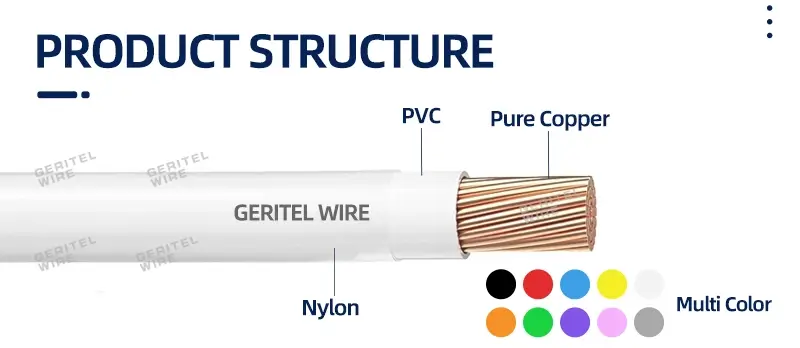
First, let’s decode the abbreviations to understand the core purpose of each cable:
• THHN: Thermoplastic High Heat-resistant Nylon-coated cable, designed exclusively for dry, indoor use. Its thermoplastic (PVC) insulation and nylon jacket prioritize heat resistance and easy pull-through in conduits, making it a staple for indoor wiring, including THHN wire for panel board wiring and other dry indoor applications.
• THWN-2: Thermoplastic Heat and Water-resistant Nylon-coated (Version 2) cable, built for both dry and wet environments, as well as harsh industrial settings. It features enhanced insulation to resist moisture, corrosion, and chemical damage, making it versatile for indoor and outdoor use.
The core difference between these two cables lies in their moisture resistance, but their specifications, performance, and ideal applications also vary significantly. Below is a detailed comparison table to help you quickly distinguish between them:
| Specification |
Temperature Rating |
Moisture Resistance |
Gauge |
Ideal Applications |
Cost |
|
THHN Cable |
90°C (dry only); 75°C (damp, not recommended) – prolonged use in damp areas degrades insulation. |
Moderate (not waterproof); nylon jacket protects against abrasion but allows moisture ingress, creating short circuit risks in wet areas. |
14 AWG (15A) – 4/0 AWG (350A); ideal for light to heavy-duty dry indoor loads like residential outlets and office lighting. | Indoor dry areas: residential wiring, commercial office lighting, indoor control panels, and dry conduit runs. |
Lower – cost-effective for dry projects where moisture resistance is unnecessary, helping stay within budget.
|
|
THWN-2 Cable |
90°C (dry & wet) – maintains consistent performance in humidity, condensation, or direct moisture. |
Excellent – enhanced thermoplastic insulation resists water, corrosion, and moisture damage, even in underground or poolside settings. |
14 AWG (15A) – 4/0 AWG (400A); higher ampacity for wet or heavy industrial loads, such as outdoor feeders and machinery. |
Indoor/outdoor wet areas: outdoor lighting, underground conduits, pool areas, industrial plants, and water treatment facilities. |
Slightly higher – justified by enhanced durability and moisture resistance, reducing long-term maintenance costs. |
What Happens If You Choose the Wrong Cable?
Mistakes in cable selection have serious, far-reaching consequences for electricians and their clients:
1. Safety Hazards: Using THHN in wet areas is the most dangerous error. Its non-waterproof insulation breaks down over time, leading to short circuits, arc faults, and electrical fires—putting property and lives at risk. 2. Code Violations: The National Electrical Code (NEC 310.10) explicitly prohibits THHN in wet locations. This leads to failed inspections, forcing full rework and delaying project completion, along with potential fines. 3. Costly Rework: Removing and replacing incorrect wiring doubles labor costs, wastes materials, and pushes back project timelines—often resulting in penalty fees from clients. 4. Liability & Reputation Damage: Wiring errors from misselection can cause property damage or injury, leading to legal liability and damage to your professional reputation, which harms future business opportunities.
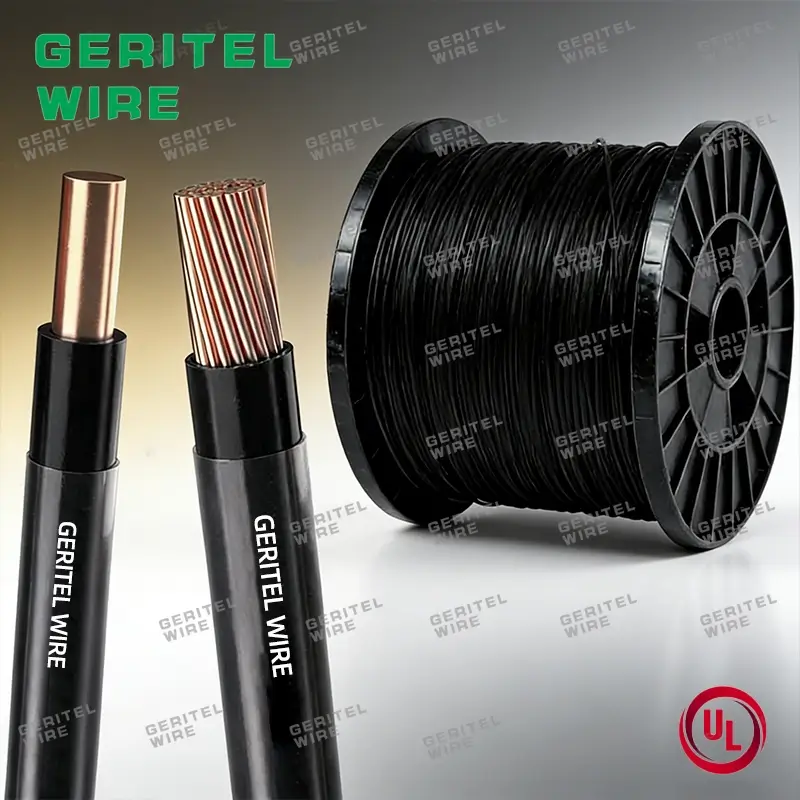
Real-World Scenarios:
- Dry Office Lighting: THHN is the ideal choice for wiring office lighting and workstations. It’s cost-effective, code-compliant, and easy to pull through indoor conduits—using THWN-2 here would unnecessarily increase project costs.
- Outdoor Pool Lighting: THWN-2 is mandatory for poolside wiring. The constant exposure to water and humidity means THHN would quickly fail, creating fire and shock hazards—THWN-2’s moisture resistance keeps the system safe and reliable.
- Wet Industrial Plant: THWN-2 is essential for wiring machinery in food processing or manufacturing plants, where floors are often wet and exposed to cleaning chemicals. THHN would degrade quickly, causing frequent outages and safety risks.
How to Choose Correctly
Follow these simple steps to avoid misselection and its consequences:
1. Assess the Environment: First, confirm if the installation area is dry (indoor walls, offices, dry basements) or wet/damp (outdoors, pool areas, industrial wet zones). THHN is for dry use only; THWN-2 works for both dry and wet environments.
2. Match Gauge to Load: Calculate the circuit’s ampacity to select the right gauge: 14 AWG for lighting (15A), 12 AWG for outlets (20A), and 6 AWG or larger for heavy industrial machinery (55A+). THWN-2 offers slightly higher ampacity for larger gauges in wet conditions.
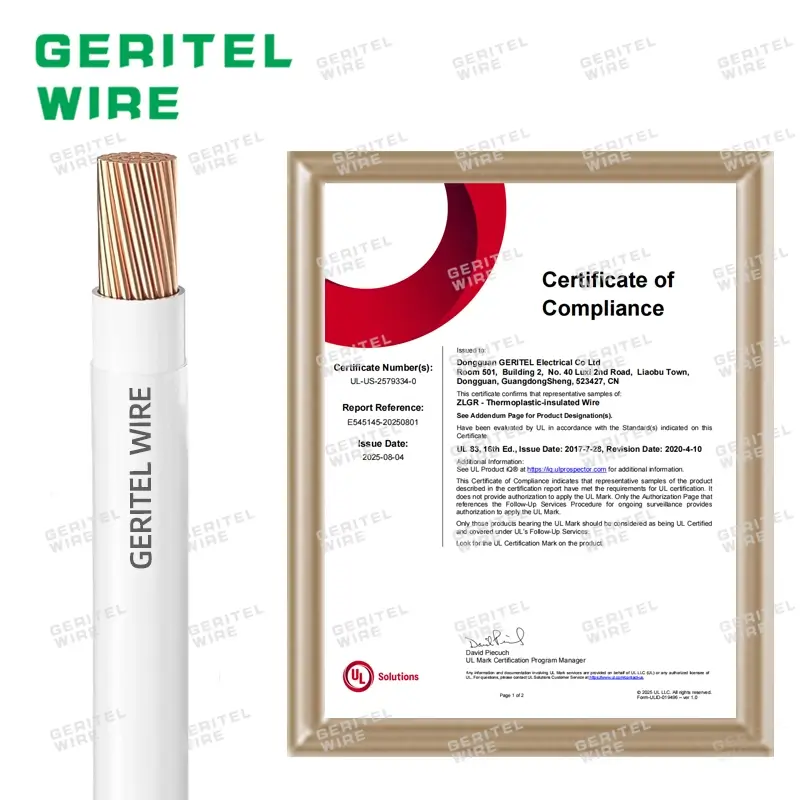
3. Choose Certified Cables: Always opt for UL83-certified cables like ours. Our THHN and THWN-2 cables meet strict industry standards, ensuring compliance, safety, and long-term reliability.
Conclusion
THHN excels in dry indoor spaces, offering cost-efficiency and easy installation for residential and commercial projects, including THHN power cable 600V copper. THWN-2, on the other hand, is designed for wet, harsh, or outdoor environments, providing the moisture resistance and durability needed to avoid hazards. By understanding their differences and following our guidance, you can select the right cable for every project—saving time, money, and ensuring safety. Our UL-certified cables deliver the performance and peace of mind you need to get the job done right the first time.
Contact us
Professional cable manufacturer with rich experience and good reputation.
⚡Tel/WhatsApp/WeChat: +86 136 6257 9592 / +86 135 1078 4550
⚡Email: manager01@greaterwire.com
 THHN vs THHW Wire: Which One Should You Use?



 Building 2, No. 40 Luxi 2nd Road, Liaobu Town, Dongguan City, Guangdong Province, China