


 Home
HomeCan THHN Wire Be Used Outdoors?
 GERITEL
 Mar 26,2026

If you’re planning an outdoor electrical project—whether it’s wiring for a backyard shed, outdoor lighting, industrial equipment, or underground feeder lines—one of the most critical decisions you’ll make is choosing the right wire type. Many electricians and project owners wonder, “Can THHN wire be used outdoors?” The short answer is yes, but with important caveats that directly impact safety, durability, and compliance. This guide will break down when THHN wire is suitable for outdoor use, how to select the right specifications for your project, and what mistakes to avoid, so you can make an informed choice that aligns with your needs and industry standards.
1. When Can THHN Wire Be Used Outdoors?
THHN wire, defined by its thermoplastic insulation and nylon outer jacket, is a popular choice for industrial, commercial, and residential electrical work, but its outdoor usability depends entirely on your installation environment and project requirements.
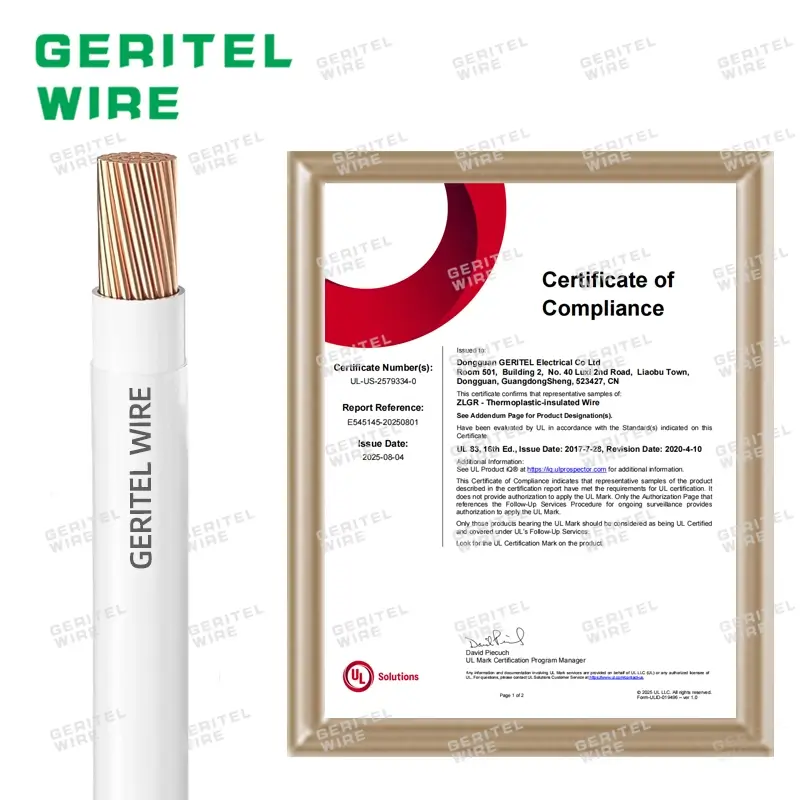
First, it’s important to note that THHN electrical cable UL listed is under UL 83 standards, which certifies its safety for specific conditions—but it is not inherently designed for unprotected outdoor exposure.
Here are the only scenarios where THHN wire is appropriate for outdoor use:
- Outdoor Conduit Installation: THHN wire is ideal for outdoor use when installed inside a sealed, weather-resistant conduit (such as PVC, aluminum, or galvanized steel conduit). This conduit acts as a barrier against moisture, UV rays, and physical damage, which are the primary threats to THHN’s insulation and jacket.
- Dry Outdoor Locations: If your outdoor area is completely sheltered from rain, snow, and humidity (e.g., a covered patio electrical box, a sealed outdoor equipment cabinet), THHN wire can be used without conduit, though conduit is still recommended for added protection.
- Underground Installation (With Conduit): For underground outdoor projects (e.g., wiring a garden fountain or underground feeder lines), THHN wire can be used only if it is placed inside a water-tight underground conduit. Never run THHN wire directly underground without conduit, as moisture will quickly degrade its insulation.
2. THHN Wire Parameters → Outdoor Scenario Breakdown
Not all THHN wires are the same, and small changes in parameters can mean the difference between a long-lasting installation and a costly failure. Below is a breakdown of the most critical parameters and how they map to outdoor use cases, so you can select the exact specifications for your project.
AWG Size (Gauge): Match to Your Load and Distance
The AWG (American Wire Gauge) size of THHN nylon insulated copper wire determines its current-carrying capacity, which directly correlates to the load it can handle and the distance it can run outdoors without voltage drop. Using the wrong AWG size will lead to overheating, insulation damage, and potential safety hazards.
- 14 AWG THHN: Suitable for low-load outdoor applications, such as outdoor lighting (string lights, pathway lights) or small outdoor receptacles. It can handle up to 15 amps and is ideal for short runs (up to 50 feet) in sheltered outdoor areas with conduit.
- 12 AWG THHN: Perfect for medium-load outdoor uses, including outdoor outlets for power tools, small pumps, or patio heaters. It carries up to 20 amps and works well for runs up to 75 feet in conduit, making it a versatile choice for most residential outdoor projects.
- 10 AWG THHN: Designed for higher-load outdoor equipment, such as large pumps, outdoor HVAC units, or feeder lines to detached garages/sheds. It handles up to 30 amps and is suitable for longer runs (up to 100 feet) in outdoor conduit.
- 8 AWG to 2 AWG THHN: Used for heavy-duty outdoor industrial applications, such as commercial outdoor lighting systems, industrial machinery, or underground feeder lines for large buildings. These larger gauges (8 AWG carries 40 amps, 2 AWG carries 75 amps) are necessary for long-distance runs (100+ feet) and high-power equipment.
Insulation and Jacket: Why They Matter for Outdoor Use
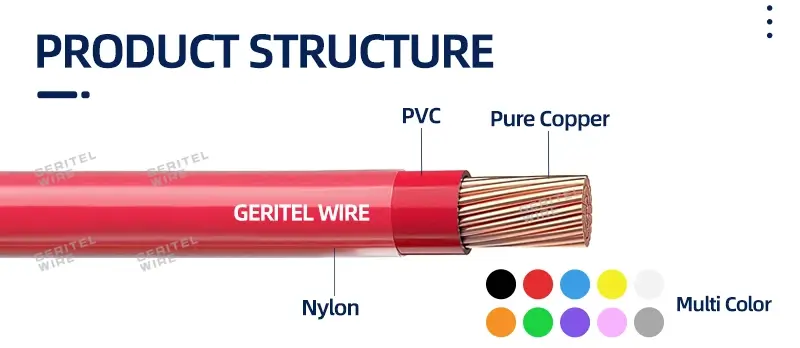
THHN wire features a PVC (polyvinyl chloride) insulation layer and a nylon outer jacket, which provides good resistance to oil, chemicals, and abrasion—but these materials are not UV-resistant or fully waterproof on their own.
This is why conduit is mandatory for most outdoor THHN installations: the conduit protects the wire from UV rays (which break down PVC insulation over time) and moisture (which can seep into the insulation and cause short circuits). For extremely harsh outdoor environments (e.g., coastal areas with salt spray), look for THHN cable industrial wiring use with additional corrosion-resistant coatings, though this is a secondary consideration to proper conduit use.
3. THHN vs. Other Outdoor Wire Types: A Comparison
Customers don’t just want to know if THHN can be used outdoors—they want to know if it’s the best choice for their project. Below is a clear comparison between THHN and other common outdoor wire types, so you can understand the boundaries of when to use THHN and when to choose an alternative.
| Property | THHN | THWN | THWN-2 | XHHW |
| Insulation Material | PVC (Polyvinyl Chloride) | PVC (Polyvinyl Chloride) | PVC or XLPE (Cross-Linked Polyethylene) | PVC (Polyvinyl Chloride) |
| Outer Jacket | Nylon | Nylon | Nylon | Nylon |
| Temperature Rating | 90°C (Dry) | 75°C (Wet and Dry) | 90°C (Wet and Dry) | 90°C (Wet and Dry) |
| Moisture Resistance | Not suitable for wet locations without conduit | Suitable for wet locations with or without conduit | Suitable for wet locations with or without conduit | Suitable for wet locations with or without conduit |
| UV Resistance | No | No | Yes | Yes |
| Direct Burial | Not suitable | Not suitable | Suitable for direct burial | Suitable for direct burial |
| Use Case | Dry locations, indoor applications | Wet and dry locations, conduit or direct burial | Wet, dry, and direct burial applications | Wet, dry, and direct burial applications |
| Typical Applications | Industrial, commercial, residential (indoors) | Outdoor installations, underwater applications | Outdoor installations, underwater applications | Outdoor installations, underwater applications |
| Standards | UL 83 (for dry locations) | UL 83(for wet locations) | UL 83(for wet locations) | UL 44 (for wet locations) |
Summary:
- THHN is suitable for dry, indoor locations or outdoor locations where the wire is installed inside a conduit for protection. It’s not recommended for direct exposure to moisture or UV light.
- THWN is ideal for use in wet environments and can be used both with and without conduit. It is not designed for direct burial without protection.
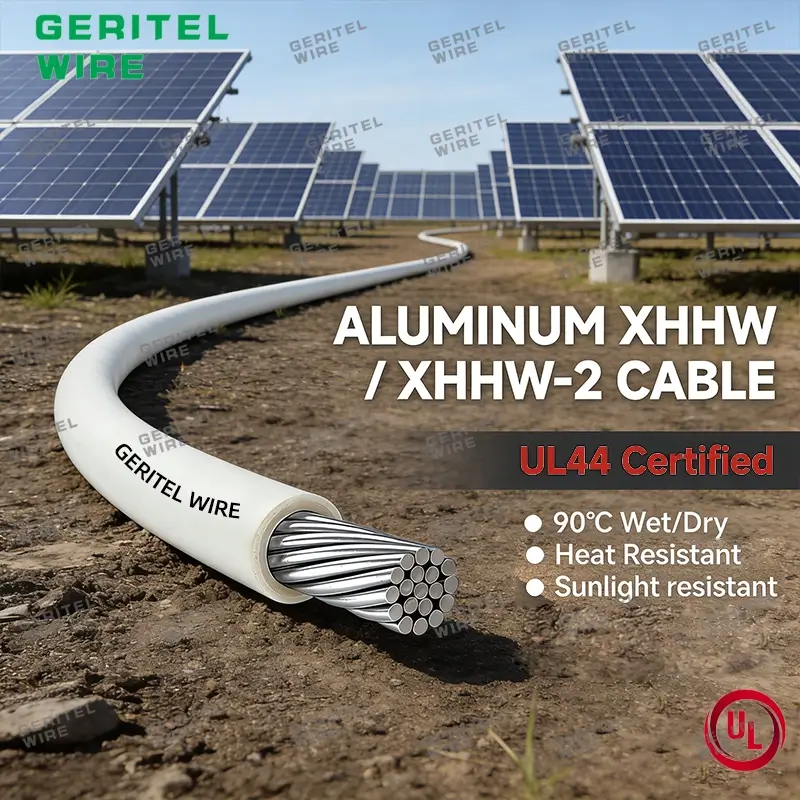
- THWN-2 is the most durable option for outdoor applications, offering UV and moisture resistance, and is ideal for direct burial.
- XHHW is a strong option for wet and dry environments and is suitable for direct burial in harsh conditions.
4. The Consequences of Choosing the Wrong THHN Spec
Using THHN wire outdoors without following the guidelines above isn’t just a compliance issue—it can lead to costly, dangerous outcomes that put your project, equipment, and even people at risk. Here are the most common consequences of improper THHN outdoor use:
- Insulation Degradation: UV exposure or moisture will break down THHN’s PVC insulation, leading to cracks and gaps that allow electricity to leak, causing short circuits and electrical shocks.
- Equipment Damage: Using the wrong AWG size (e.g., 14 AWG for a high-load pump) will cause the wire to overheat, which can damage connected equipment (such as motors, pumps, or lighting fixtures) and shorten their lifespan.
- Electrical Fires: Overheating from incorrect AWG size or moisture-induced short circuits can ignite surrounding materials (e.g., wood, insulation, or debris), leading to fires that cause property damage and potential injury.
- Code Violations: Most local electrical codes require specific wire types for outdoor use; using THHN in unapproved scenarios can result in code violations, fines, and the need to rewire the entire project—costing you time and money.
Insert Consequence Image Here: Place an image showing the difference between properly installed THHN (in conduit, intact insulation) and improperly installed THHN (cracked insulation, exposed wires) to visually emphasize the risks. This helps reinforce the importance of following guidelines and builds trust with readers.
5. How to Choose the Right THHN Wire for Your Outdoor Project
To ensure you select the correct THHN wire for your outdoor project, follow these simple steps:
- Assess Your Outdoor Environment: Determine if the area is dry/sheltered or wet/exposed to UV. If wet or UV-exposed, you’ll need conduit (for THHN) or an alternative like XHHW-2.
- Calculate Your Load: Determine the amperage of the equipment you’re powering (e.g., 15 amps for lighting, 30 amps for a pump). Choose an AWG size that can handle this load (refer to the AWG breakdown above).
- Measure the Run Distance: Longer runs require larger AWG sizes to prevent voltage drop. For example, a 100-foot run for a 30-amp load will need 10 AWG THHN, while a 50-foot run can use 12 AWG.
- Check Local Codes: Confirm that THHN wire (with conduit, if needed) is compliant with local electrical codes for your outdoor project—this avoids violations and ensures safety.
6. Conclusion
THHN wire can absolutely be used outdoors, but only when installed correctly (with conduit, in dry or sheltered areas) and matched to the right specifications for your load and distance. It’s a cost-effective, versatile option for many outdoor projects—from residential lighting to industrial feeder lines—but it’s not a one-size-fits-all solution. If your outdoor project involves wet conditions, direct burial, or high loads, XHHW-2 is the safer, more durable option.
If you’re still unsure which THHN AWG size to choose, or if your outdoor project involves wet conditions, direct burial, or high loads, our expert team is here to help. We’ll assess your project’s specific needs—including load, distance, and environment—and recommend the exact THHN specification or alternative wire type to ensure safety, durability, and compliance.
Contact Us:
Phone/WhatsApp/WeChat: +86 135 1078 4550 / +86 136 6257 9592
Email: manager01@greaterwire.com
We offer personalized recommendations for your outdoor electrical project to help you avoid costly mistakes and ensure the job is done right the first time.
 What Is the Difference Between THHN and THWN-2 Cable?



 Building 2, No. 40 Luxi 2nd Road, Liaobu Town, Dongguan City, Guangdong Province, China