


 Home
HomeTHHN vs THHW Wire: Which One Should You Use?
 GERITEL
 Mar 26,2026

1. Start with Your Project Scenario: Stop Asking “What Are They?” and Start Asking “Which Fits My Needs?”
When choosing including THHN copper building wire 600V is primarily designed for dry environments, with a maximum operating temperature of 90°C. Its nylon jacket makes it easier to pull through conduits while enhancing wear resistance, making it perfect for indoor and dry industrial projects.
When to Choose THHN Wire
- THHN wire is primarily designed for dry environments, with a maximum operating temperature of 90°C. Its nylon jacket makes it easier to pull through conduits while enhancing wear resistance, making it perfect for indoor and dry industrial projects.
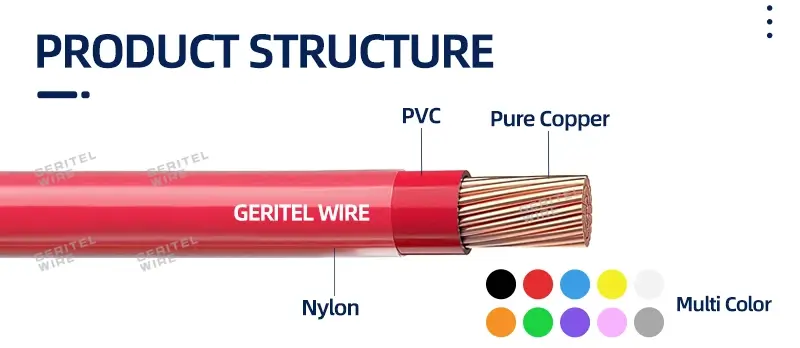
THHN Wire Suitable Scenarios:
- Indoor Electrical Panels and Control Cabinets: THHN wire's smooth nylon jacket makes it ideal for routing through tight spaces inside electrical panels, reducing friction and speeding up installation, preventing wire damage.
- Residential and Commercial Dry Area Wiring: For areas like attics, upper floors, or other dry locations, THHN Copper Building Wire 600V is perfect for lighting circuits or socket branch circuits.
- Dry Industrial Equipment Wiring: THHN nylon insulated copper wire is well-suited for dry industrial environments, offering enhanced conductivity for stable operation.
When to Choose THHW Wire
- THHW wire is suitable for both dry and wet environments. It features thicker PVC insulation (without a nylon jacket), providing excellent moisture resistance, making it ideal for environments exposed to water or moisture. However, its maximum operating temperature is limited to 75°C.
THHW Wire Suitable Scenarios:
- Outdoor and Underground Installations: Projects like underground conduit wiring, outdoor lighting, or outdoor power distribution lines—where the wire is exposed to rain, soil moisture, or extreme weather—benefit from THHW wire’s moisture-resistant insulation.
- Wet Indoor Areas: Areas like basements (especially those with water seepage), swimming pool surroundings, commercial kitchens, or water treatment plants—where moisture is prevalent—require THHW wire to withstand constant exposure to humidity and water.
- Industrial Environments with Variable Humidity: Factories or workshops that experience alternating dry and wet conditions (such as food processing or chemical manufacturing) benefit from THHW wire, as it remains reliable in fluctuating humidity levels.
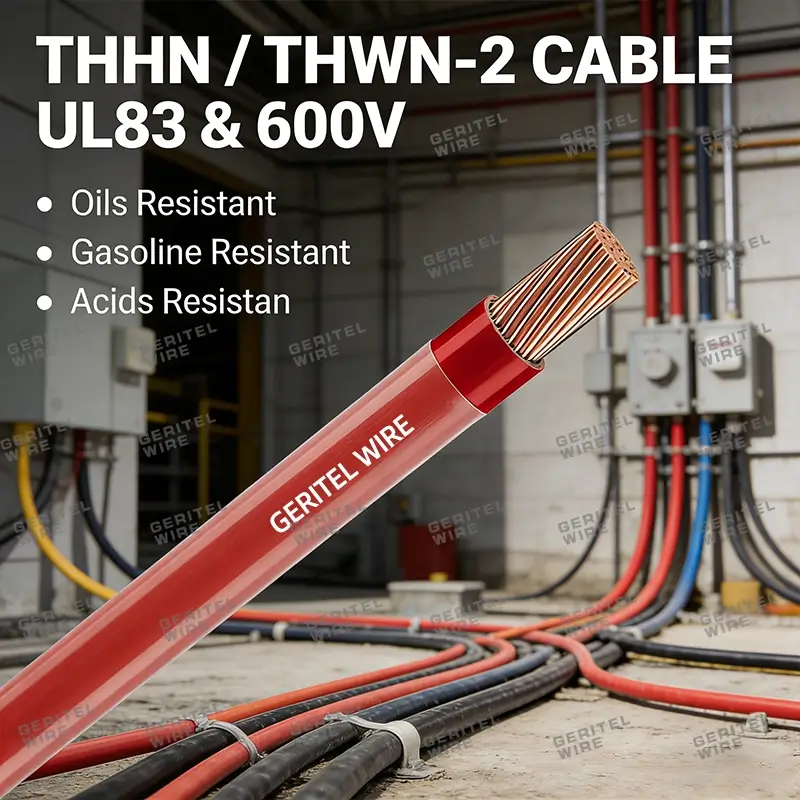
2. Parameter → Scenario: How Small Differences in Specs Change Your Project’s Outcome
Let’s take a look at how small differences in wire specifications, such as operating temperature and moisture resistance, can influence the suitability of THHN solid copper conductor wire for your project.
| Core Parameter |
THHN Wire |
THHW Wire |
| Maximum Operating Temperature | 90°C (dry environments only) | 75°C (dry and wet environments) |
| Moisture Resistance | Limited (not suitable for wet areas) | Excellent (suitable for wet environments) |
| Insulation Material | PVC insulation + nylon jacket | Thick PVC insulation (no nylon jacket) |
| Current-Carrying Capacity | 35A (dry, 90°C) | 25A (wet/dry, 75°C) |
3. Critical Comparison & Boundaries: Avoid Costly Mistakes
Choosing the wrong wire can result in serious safety risks, project delays, and increased costs. Here are scenarios where each wire type should not be used:
Avoid Using THHN Wire in the Following Scenarios:
- Outdoor installations exposed to rain, dew, or moisture: The insulation on THHN wire is not designed to handle wet conditions and can degrade over time, leading to short circuits and other safety hazards.
- Underground applications: If you're running wire underground where it might be exposed to water or soil moisture, THHN wire will not offer adequate protection.
Avoid Using THHW Wire in the Following Scenarios:
- High-heat dry environments: Since THHW wire is rated for a maximum of 75°C, it’s not suitable for areas with high temperatures, such as near industrial furnaces, heavy machinery, or electrical panels with high current loads.
- Conduit installations requiring frequent pulling: The thicker PVC insulation of THHW wire doesn’t have the same smooth, wear-resistant properties as THHN wire, which may lead to issues when pulling the wire through tight or numerous conduits.
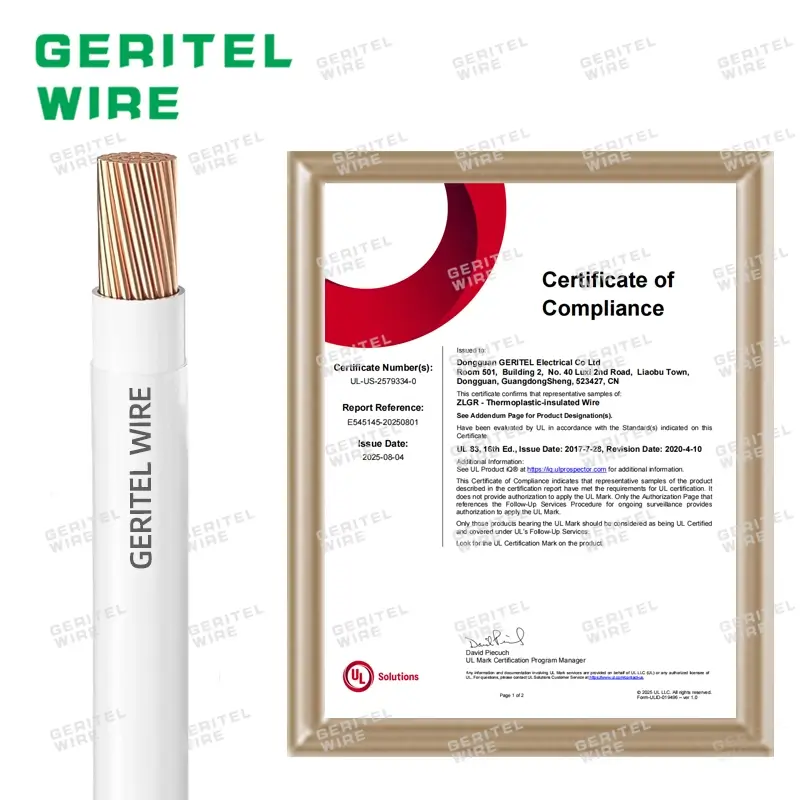
Note: Our full series including THHN solid copper conductor wire and THHN nylon insulated copper wire strictly pass UL certification to meet NEC & US market standards.
4. Go Deeper: Same Wire Type, Different Specifications = Different Applications
To help you make the right decision for your project, follow this quick checklist:
- Is your installation environment dry or wet?
→ Dry = THHN wire (ideal for indoor, high-heat dry applications like electrical panels and lighting circuits,recommend THHN nylon insulated copper wire)
→ Wet = THHW wire (best for outdoor, underground, or wet indoor applications like basements and irrigation systems)
- What is your system’s maximum operating temperature?
→ Above 75°C = THHN wire (ideal for high-heat dry environments)
→ 75°C or below = THHW wire (suitable for all environments with moisture exposure)
- Do you need to pull wire through conduits?
→ Yes (dry) = THHN wire (especially THHN nylon insulated copper wire for easy conduit pulling)
→ Yes (wet) = THHW wire (handle carefully to avoid wear)
- What’s your load current?
Use the appropriate wire gauge for your load (refer to the wire gauge table above). THHN wire typically offers higher current-carrying capacity in dry environments.
Contact Us
Company Name: Dongguan GERITEL Electrical Co., Ltd.
Phone/WhatsApp/WeChat: +86 135 1078 4550 / +86 136 6257 9592
Email: manager01@greaterwire.com
Contact us today for expert advice.
 600V THHN Electrical Wire Installation Guide



 Building 2, No. 40 Luxi 2nd Road, Liaobu Town, Dongguan City, Guangdong Province, China