



 Home
HomeUnderstanding Equipment Wiring Cable Requirements in Industrial Machinery
 GERITEL
 Jun 11,2026

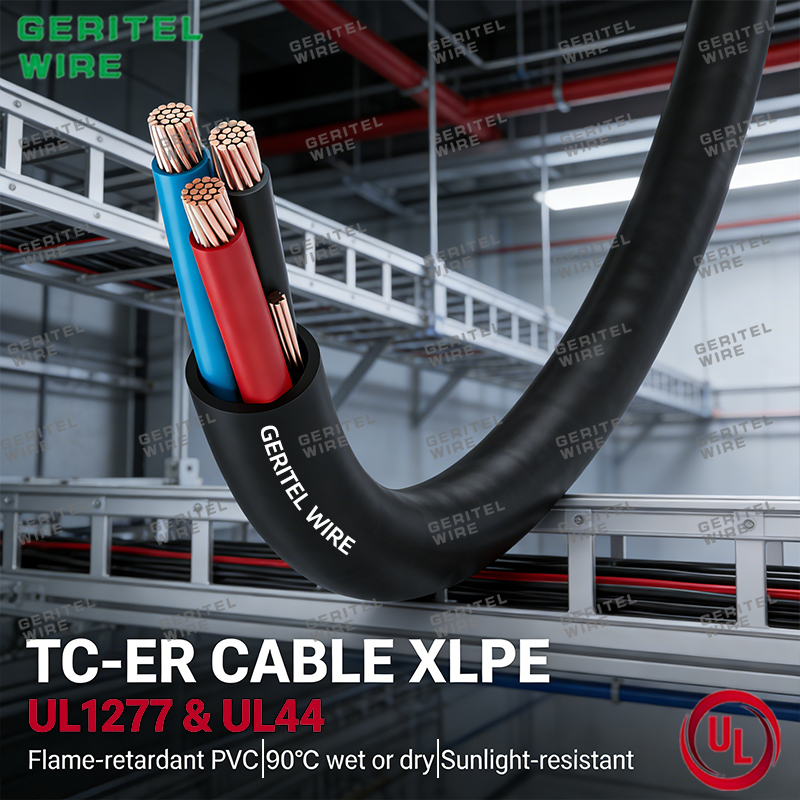
Industrial machinery wiring determines equipment stability, safety lifespan, and production uptime. Unlike static building wiring, machine internal wiring endures continuous vibration, cyclic bending, and high EMI from motors and drives. Many mechanical system faults stem from incorrect cable grade selection or mismatched wiring types. This machinery application guide clarifies professional equipment wiring standards for industrial automation machinery, focusing on proper use of TC-ER control cable for precision logic signals and dedicated TC-ER cable for motor connections for industrial machine power loop layouts.
1. Core Differences Between Machinery Wiring and Ordinary Industrial Wiring
Most machinery wiring failures occur when designers apply generic industrial cables instead of machine-rated TC-ER wiring. Industrial automated equipment requires cables that balance dynamic mechanical endurance, heat resistance, and EMI suppression. Standard industrial wires lack vibration fatigue resistance and open-run certification, while professional TC-ER control cable is engineered specifically for exposed machine routing, moving components, and high-interference machinery enclosures.
First, production machinery such as conveyor equipment, packaging machines and automated robotic arms works with frequent reciprocating movement and mechanical vibration, requiring machine wiring cable to have excellent bending resistance and tensile properties, avoiding core breakage and jacket cracking caused by long-term mechanical fatigue. Second, machinery internal space is compact with dense electrical components, leading to concentrated heat generation and complex EMI environments, which demands high anti-interference and heat-resistant industrial electrical cable.
In addition, equipment internal control wiring involves precision sensor signals and logic control loops, which are extremely sensitive to interference. Ordinary civilian cables cannot adapt to machinery dynamic working conditions, and dedicated equipment wiring cable must be used to ensure stable signal transmission and electrical safety.
2. Key Performance Requirements for Industrial Machinery Equipment Wiring Cables
Cables deployed on industrial machinery must meet strict mechanical, thermal, and environmental criteria to avoid premature failure. For modern automated systems, certified TC-ER cable variants deliver far superior reliability compared to traditional building wires. Specialized machine-grade TC-ER wiring provides stable current transmission for continuous motor and mechanical loads, while flexible TC-ER control cable resists signal drift during long-term vibration and cyclic movement.
Mechanical flexibility and fatigue resistance are the most essential attributes of machine wiring cable. Different from static fixed cables, machinery cables need to withstand frequent bending, twisting and stretching. High-flex stranding structure and flexible outer jacket effectively prevent conductor breakage and insulation peeling during long-term equipment operation, greatly reducing equipment failure rates.
EMI shielding and signal stability are core indicators for control wiring applications. Industrial machinery is integrated with a large number of motors, drives and switching components, which generate high-frequency interference. Shielded equipment wiring cable can effectively isolate electromagnetic crosstalk, ensuring accurate transmission of sensor signals, encoder data and control logic signals.
Flame retardancy and insulation stability are basic safety thresholds for industrial electrical cable used in machinery. The cables need to resist local high temperature generated by equipment operation, avoid insulation aging and breakdown, and achieve self-extinguishing to prevent electrical fire spread, complying with industrial machinery electrical safety codes.
3. Classification & Application Scenarios of Machinery Wiring Cables
According to functional division of machinery circuits, industrial equipment wiring is strictly divided into power circuits and control circuits, with matched dedicated cable types respectively to avoid mixed wiring risks.
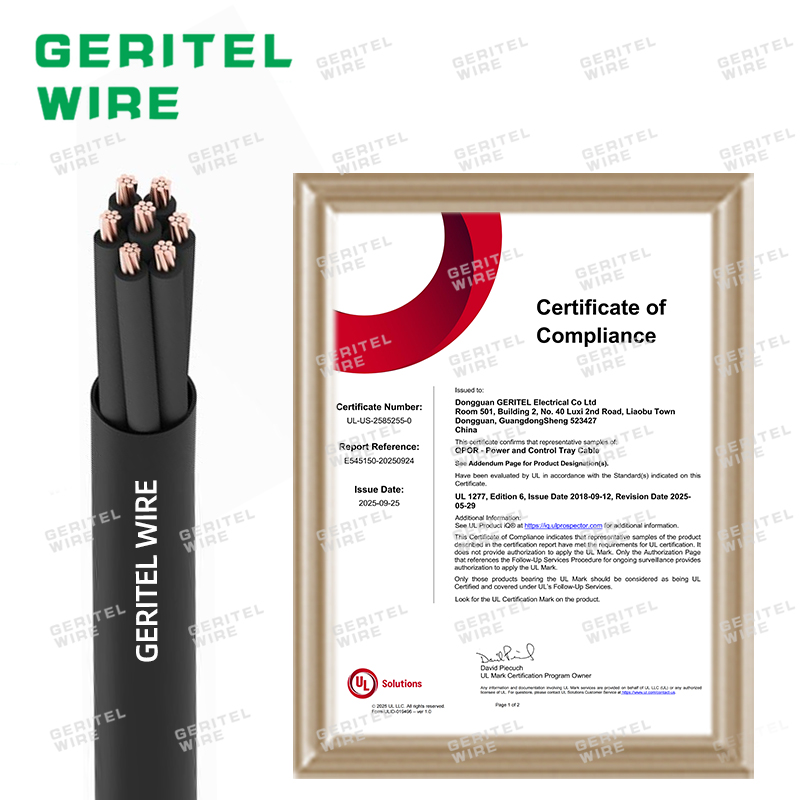
Machine-grade TC-ER wiring for machinery power circuits: Designed for machine main power feeds, drive inputs, and heavy-duty motor circuits, this cable grade features robust conductor structure, high ampacity retention, and heat-resistant insulation. It is the ideal certified solution for TC-ER cable for motor connections on packaging machines, conveyor systems, and production automation equipment, supporting long-term full-load operation without thermal degradation.
TC-ER control cable for precision signal circuits: Dedicated for machinery sensor feedback, PLC logic control, limit switch signals, and low-voltage interlock loops. Built for anti-interference performance inside densely wired machine cabinets, this cable eliminates signal fluctuation caused by motor startup and high-frequency drive operation, ensuring precise machine motion and stable automation logic.
Harsh-environment TC-ER cable for complex machinery layouts: Many production machines operate in fluctuating factory environments with varying humidity and temperature. Environment-resistant TC-ER cables adapt to these harsh working conditions, delivering consistent performance for machinery installed in multi-condition factory production lines.
4. Standard Wiring Principles for Industrial Machinery Equipment
To ensure long-term stable operation of machinery electrical systems, equipment wiring must follow standardized layout principles, avoiding hidden dangers caused by irregular construction and mismatched cable selection.
First, separate power and control circuits completely. Route high-current machine power wiring and low-voltage TC-ER control cable in isolated zones inside machine enclosures to prevent electromagnetic interference that causes misoperation, positioning errors, and false sensor alarms.
Second, dynamic parts prioritize dedicated machine wiring cable. All frequently bent and moved wiring parts are prohibited from using rigid ordinary cables. Flexible and fatigue-resistant machine wiring cables must be used to adapt to equipment movement stroke and mechanical vibration.
Third, environmental matching selection. For machinery working in dusty, oily and high-temperature workshops, wear-resistant, oil-proof and heat-resistant equipment wiring cable should be selected to delay insulation aging and extend cable service life.
Fourth, standard wire gauge matching. Match cable cross-section according to equipment load current, avoiding overheating and voltage drop caused by insufficient ampacity, which affects machinery operating efficiency and safety.
5. Common Equipment Wiring Mistakes & Engineering Solutions
In machinery assembly and electrical renovation projects, non-standard wiring is the main cause of frequent equipment failures. Summarized below are the most common mistakes and targeted optimization solutions.
Mistake 1: Using generic static cables for machine motor circuits Many machine builders deploy ordinary industrial cables for motor power loops, which fatigue rapidly under vibration. Solution: Standardize all motor wiring with certified TC-ER cable for motor connections to improve mechanical durability and electrical stability.
Mistake 2: Unseparated power and control wiring inside machine cabinets Mixed routing causes severe EMI interference. Solution: Isolate TC-ER control cable from power cables and adopt shielded variants for high-precision machinery signal loops.
Mistake 3: Using common indoor cables for multi-environment machinery equipment Non-environmental-rated cables degrade quickly under humidity and temperature changes. Solution: Apply harsh-environment resistant TC-ER cables for all machinery wiring exposed to fluctuating factory conditions.
6. FAQs for Industrial Machinery Equipment Wiring
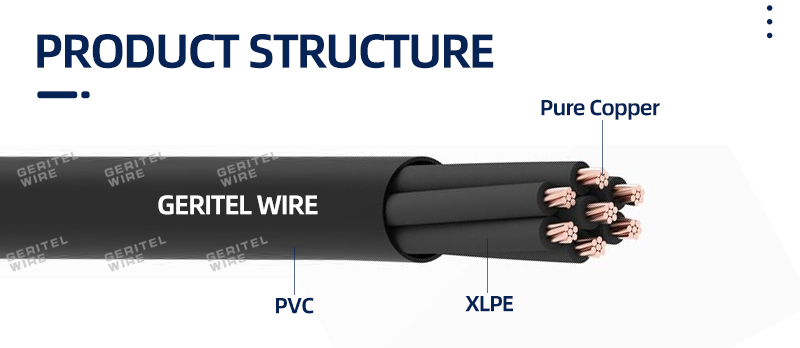
Q1: What TC-ER cables are used for industrial machinery wiring? A: Machinery projects primarily use TC-ER control cable for automation signals and dedicated TC-ER cable for motor connections for industrial machine power circuit layouts.
Q2: Why is shielded equipment wiring cable necessary for machinery control wiring? A: Industrial machinery has dense electromagnetic interference sources. Shielded cables effectively isolate EMI crosstalk, ensuring stable and accurate transmission of control signals and sensor data.
Q3: How to select the right cable for different machinery circuits? A: Equipment power loops use high-ampacity industrial electrical cable, precision signal loops use shielded equipment wiring cable, and dynamic moving parts use flexible machine wiring cable.
Q4: What core indicators determine machinery wiring cable service life? A: Bending fatigue resistance, EMI shielding performance, insulation heat resistance and environmental corrosion resistance are the four key indicators affecting long-term wiring stability of industrial machinery.
Reliable Machinery Wiring Cable Solutions for Industrial Equipment
Professional machinery electrical design relies on standardized selection of TC-ER control cable and dedicated TC-ER cable for motor connections. These certified wiring solutions resolve vibration fatigue, EMI interference, and environmental aging issues common in industrial machinery systems. We provide fully compliant TC-ER cable specifications customized for automated machinery, conveyor systems, and industrial production equipment. Contact our team for professional machinery wiring selection and project quotation support.
 How to Reduce Electrical Downtime with the Right Industrial Control Cable



 Building 2, No. 40 Luxi 2nd Road, Liaobu Town, Dongguan City, Guangdong Province, China