


 Home
HomeUL44 Wire vs THHN Wire: Which Cable Should You Choose?
 GERITEL
 Mar 24,2026

When it comes to electrical wiring, choosing the right cable is not just a technical decision but a critical factor that directly affects safety, compliance, and long-term performance. Among the most widely used options in the market, UL44 Wire and THHN Wire are frequently compared by electricians, contractors, and procurement professionals who are looking for a reliable electrical wiring choice.
However, many buyers still struggle with questions like: What exactly is the difference between thermoset insulated wire and thermoplastic insulated wire? Which one performs better in harsh environments? And how do UL standards impact real-world applications?
In this guide, we will break down the differences between UL44 Wire and THHN Wire from certification, structure, performance, and application perspectives, helping you make a confident and compliant selection.
1. THHN Wire vs UL44 Wire: Definition & UL Certification Explained
1. 1 What Is THHN Wire (UL83 Standard)?
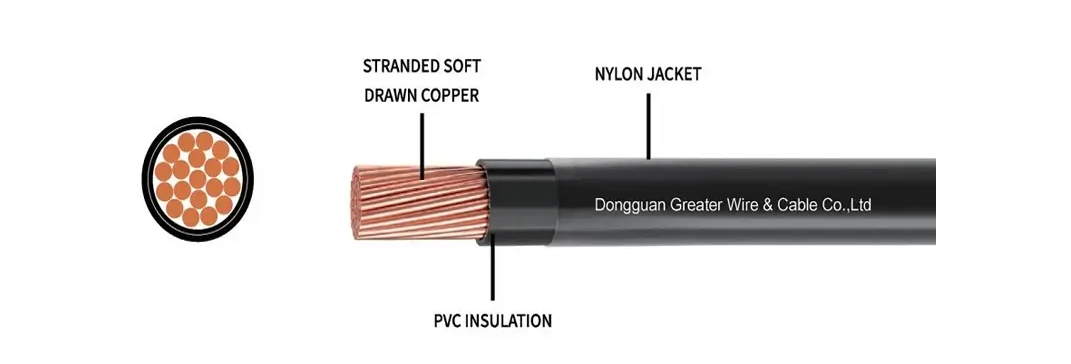
THHN (Thermoplastic High Heat-resistant Nylon-coated) wire is a thermoplastic insulated wire widely used in residential and commercial building wiring. It complies with the UL83 standard, which defines requirements for thermoplastic-insulated conductors.
Typically, THHN wire features:
- PVC (polyvinyl chloride) insulation
- A nylon outer jacket for added mechanical protection
- Rated for dry and damp locations
- Temperature rating up to 90°C (dry conditions)
Its popularity comes from its flexibility, cost-effectiveness, and suitability for conduit wiring systems.
1. 2 What Is UL44 Wire (Thermoset Insulated Wire)?
UL44 Wire refers to cables manufactured under the UL44 standard, which applies to thermoset insulated wires such as XHHW, RHW, and USE cables. XHHW electric cable bulk order supply is widely available for industrial and large-scale projects that require stable and high-performance thermoset cables.
Unlike thermoplastic insulation, thermoset materials (such as cross-linked polyethylene, XLPE) provide:
- Superior heat resistance
- Higher chemical and moisture resistance
- Better performance in demanding environments
UL44 wires are typically rated for:
- 90°C to 125°C operating temperatures
- Wet, dry, and even direct burial conditions (depending on type)
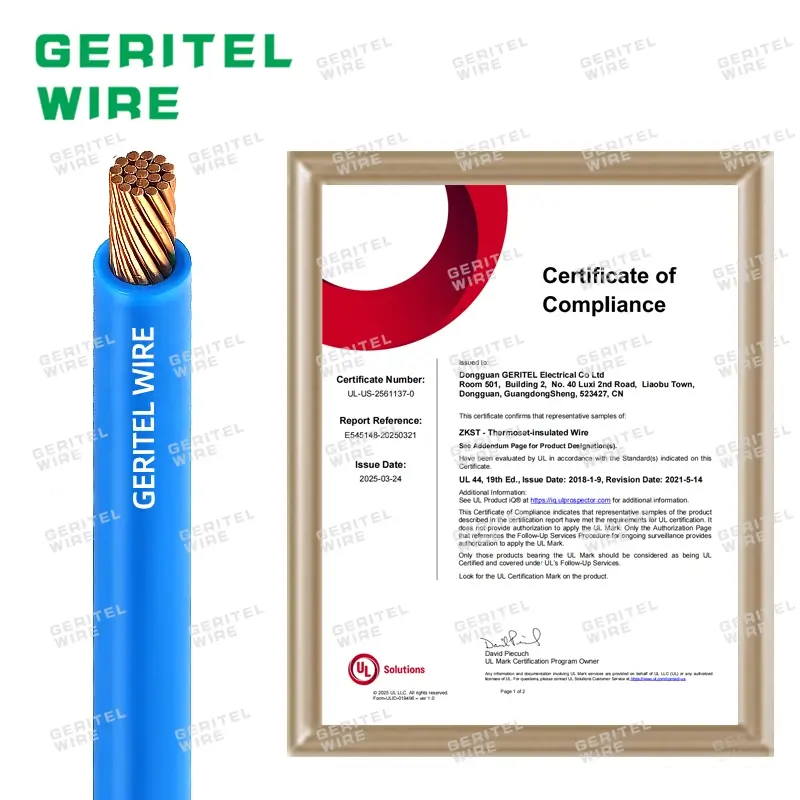
1. 3 Why UL Certification Matters
UL certification ensures that cables meet strict safety, fire resistance, and performance standards required in North American markets. Choosing a UL certified cable not only guarantees compliance but also reduces installation risks and enhances long-term reliability.
2. Product Structure Comparison: Material Makes the Difference
Although both cables may look similar externally, their internal structures reveal key performance differences.
2. 1 Conductor
Both UL44 Wire and THHN Wire typically use:
- Bare copper or tinned copper
- Stranded or solid construction depending on application
So, the conductor itself is usually not the differentiating factor.
2. 2 Insulation Material
- THHN Wire: Uses PVC (thermoplastic) insulation, which softens under high heat but remains cost-efficient and easy to process.
- UL44 Wire: Uses XLPE (thermoset insulation), which does not melt and maintains stability even under extreme temperatures. For those focusing on cost transparency, XHHW electric cable price per meter varies based on specifications like conductor size and insulation thickness, generally ranging from $0.90 to $11.60 per meter depending on the model and supplier.
This difference defines the core distinction between thermoplastic insulated wire and thermoset insulated wire.
2. 3 Jacket / Outer Layer
- THHN Wire: Features a nylon jacket, providing abrasion resistance and some protection against oils and chemicals.
- UL44 Wire: Often does not require a nylon jacket, as XLPE itself provides strong environmental resistance.
2. 4 Temperature & Voltage Performance
- THHN Wire:
- 90°C (dry), 75°C (wet)
- Typically 600V
- UL44 Wire:
- 90°C–125°C depending on type
- 600V or higher options available
As a result, UL44 Wire performs more reliably in high-temperature and heavy-load conditions.
3. Application Scenarios: Where Each Cable Performs Best
3. 1 Dry Location Wiring (THHN Wire)
THHN Wire is an excellent choice for:
- Residential building wiring
- Commercial lighting systems
- Conduit installations in dry or mildly damp environments
Its flexibility and affordability make it a go-to solution for standard electrical projects.
3. 2 Harsh Environment Wiring (UL44 Wire)
UL44 Wire is better suited for:
- Industrial power distribution
- Outdoor installations
- Underground or wet locations
- High-temperature environments
Its thermoset insulation ensures durability where THHN may degrade over time.
4. Pros and Cons: A Balanced Comparison
4. 1 THHN Wire
Advantages:
- Cost-effective and widely available
- Easy to install and pull through conduits
- Suitable for most indoor applications
Limitations:
- Limited performance in high heat or wet conditions
- Thermoplastic insulation can degrade faster in harsh environments
4. 2 UL44 Wire
Advantages:
- Excellent heat and moisture resistance
- Longer service life in demanding conditions
- Higher safety margin for industrial applications
Limitations:
- Higher initial cost
- Slightly less flexible than THHN in some configurations
5. How to Choose: A Practical Selection Guide
When deciding between UL44 Wire and THHN Wire, consider the following factors:
- Environment:
If your installation involves heat, moisture, or chemicals, UL44 Wire is the safer choice.
- Budget:
For standard indoor wiring with controlled conditions, THHN Wire offers excellent value.
- Compliance Requirements:
Always ensure the selected cable meets local codes and UL standards for your project.
- Project Type:
Residential and commercial buildings often favor THHN, while industrial and infrastructure projects lean toward UL44.
For buyers seeking a reliable supplier, working with a manufacturer that strictly follows UL standards and provides full traceability is essential. Those in need of XHHW-2 power cable price supplier can prioritize manufacturers with stable production capacity and transparent pricing, ensuring both quality and cost-effectiveness.
6. Why Choose GERITEL for Your Electrical Wiring Needs?
At Dongguan GERITEL Electrical Co., Ltd., we specialize in manufacturing high-quality UL certified cable solutions, including both THHN Wire and UL44 Wire, designed to meet international performance and compliance requirements.
We offer:
- Strict adherence to UL83 and UL44 standards
- High-purity copper conductors for optimal conductivity
- Consistent insulation quality with advanced production lines
- Custom solutions for industrial and commercial projects
Whether you need cost-effective building wires or high-performance thermoset insulated cables, our team can help you find the right solution.
7. Final Thoughts: Make the Right Electrical Wiring Choice
Choosing between UL44 Wire and THHN Wire ultimately comes down to understanding your application environment and performance expectations. While THHN remains a practical option for everyday indoor wiring, UL44 Wire stands out as a durable, high-performance solution for more demanding conditions.
If you are unsure which cable best fits your project, feel free to reach out to our team for expert guidance, product catalogs, or free samples. Making the right electrical wiring choice today ensures safer and more efficient operations tomorrow.
Contact us today:
Dongguan GERITEL Electrical Co., Ltd.
Tel / WhatsApp / WeChat: +86 135 1078 4550 / +86 136 6257 9592
Email: manager01@greaterwire.com
Let us help you power your projects with confidence.
 Industrial Electrical Cable Guide: UL44 vs THHN Wire



 Building 2, No. 40 Luxi 2nd Road, Liaobu Town, Dongguan City, Guangdong Province, China