


 Home
HomeCan XHHW-2 Wire Be Used Underground? Installation Guide
 GERITEL
 Mar 24,2026

When contractors, electricians, and procurement managers search for “can XHHW-2 wire be used underground,” they are usually facing a real-world decision involving durability, safety, and compliance rather than just product definitions, and the short answer is yes—but only under specific installation conditions, which makes understanding its structure and ratings essential before making a purchase decision.
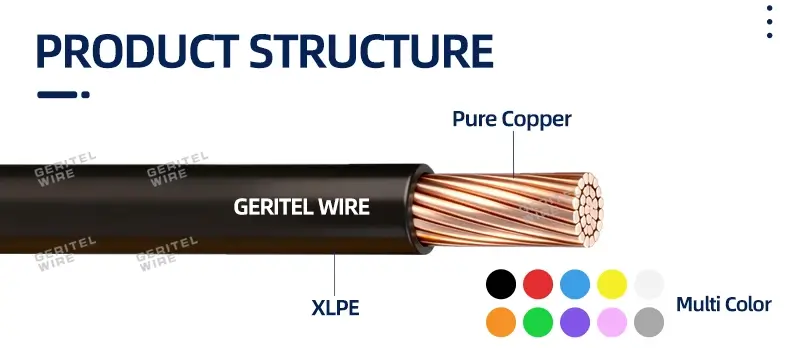
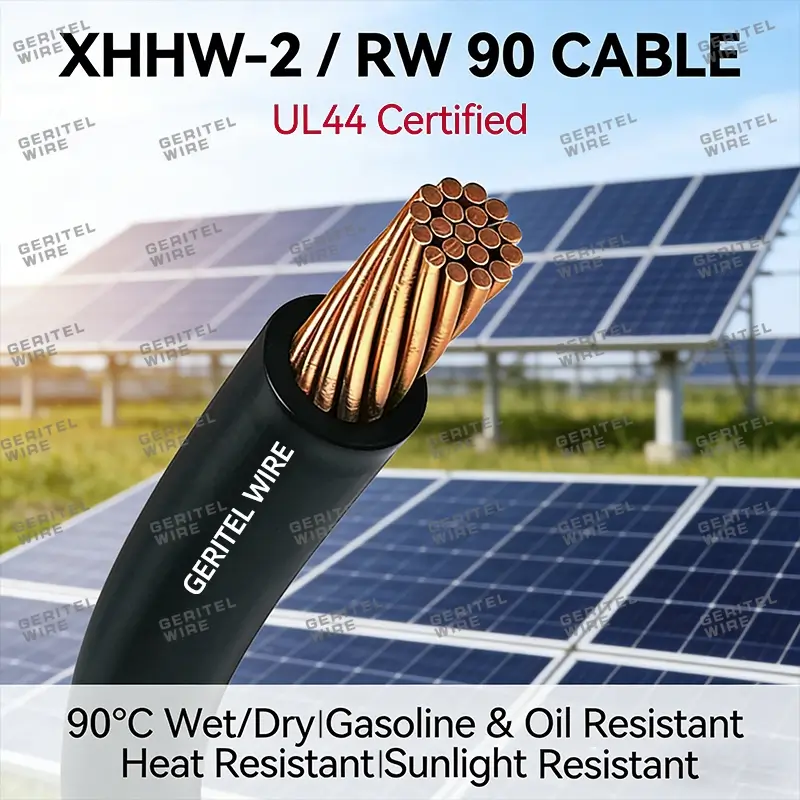
XHHW-2 wire is designed with cross-linked polyethylene (XLPE) insulation, giving it excellent moisture resistance, high temperature tolerance up to 90°C in both wet and dry environments, and strong electrical performance, but unlike direct burial cables, it is not rated for direct burial, meaning it must be installed in conduit when used underground, which is a critical distinction that directly affects project safety and longevity.
Key Performance Parameters That Impact Underground Applications
To make the right selection, buyers need to connect product parameters with actual installation environments, because every technical specification translates into real performance outcomes.
First, the insulation material (XLPE) provides superior resistance to water, chemicals, and abrasion compared to PVC-based wires, which makes XHHW-2 reliable in underground conduit systems where moisture exposure is inevitable; second, the temperature rating of 90°C wet and dry ensures stable operation even under heavy load conditions or in regions with fluctuating soil temperatures; third, the 600V voltage rating makes it suitable for residential, commercial, and light industrial power distribution.
These parameters together explain why XHHW-2 is widely used in underground feeder circuits, service entrance conductors, and conduit-based power distribution systems, especially in projects where long-term reliability is more important than upfront cost.
Typical Underground Installation Scenarios
Understanding where XHHW-2 fits best helps buyers make confident decisions and avoid overpaying for unnecessary features or under-specifying critical components.
In residential construction, XHHW-2 is commonly used for underground service entrance wiring when installed inside PVC or metal conduit, ensuring protection from soil pressure and moisture; in commercial buildings, it is often selected for underground feeders connecting transformers to distribution panels, where stable thermal performance and insulation durability are essential; in industrial environments, it is used in conduit systems running beneath factory floors or outdoor installations, where exposure to moisture, oil, or chemicals requires higher insulation reliability.
These scenarios highlight a key point: XHHW-2 is not just a general-purpose wire, but a performance-driven solution for controlled underground environments where conduit protection is part of the design.
The Risk of Incorrect Selection in Underground Projects
Choosing the wrong type of wire for underground use can lead to serious consequences, including insulation failure, electrical faults, and costly rework, which is why understanding the limitations of XHHW-2 is just as important as knowing its advantages.
If XHHW-2 is mistakenly used for direct burial without conduit, the insulation may degrade over time due to continuous soil pressure, water ingress, and mechanical damage, increasing the risk of short circuits or system failure; similarly, selecting a lower temperature-rated cable in high-load underground systems can result in overheating, reduced lifespan, and potential safety hazards.
For project managers and contractors, these risks translate into downtime, compliance issues, and increased maintenance costs, making proper product selection a critical step rather than a minor detail.
Matching Wire Specifications to Specific Applications
Different wire sizes and conductor materials correspond to completely different customer needs, and understanding this relationship is essential for both performance and cost efficiency.
For example, smaller sizes such as 12 AWG or 10 AWG are typically used in light residential underground circuits, including outdoor lighting or small feeder lines, while medium sizes like 4 AWG to 1/0 AWG are more suitable for residential service entrance or small commercial feeders; larger conductors such as 250 kcmil and above are commonly used in industrial underground distribution systems where higher current capacity is required.
In addition, copper conductors provide better conductivity and flexibility, making them ideal for projects requiring high reliability and easier installation, whereas aluminum conductors offer a more cost-effective solution for large-scale power distribution where budget considerations are critical.
Installation Best Practices for Underground Use
To fully leverage the advantages of XHHW-2 wire, proper installation practices must be followed, as even the best materials cannot compensate for incorrect installation methods.
The wire should always be installed conduit systems such as PVC or rigid metal conduit to protect against mechanical damage and environmental exposure; proper sealing should be applied to prevent water ingress into the conduit system; and bending radius and pulling tension should be carefully controlled during installation to avoid damaging the insulation.
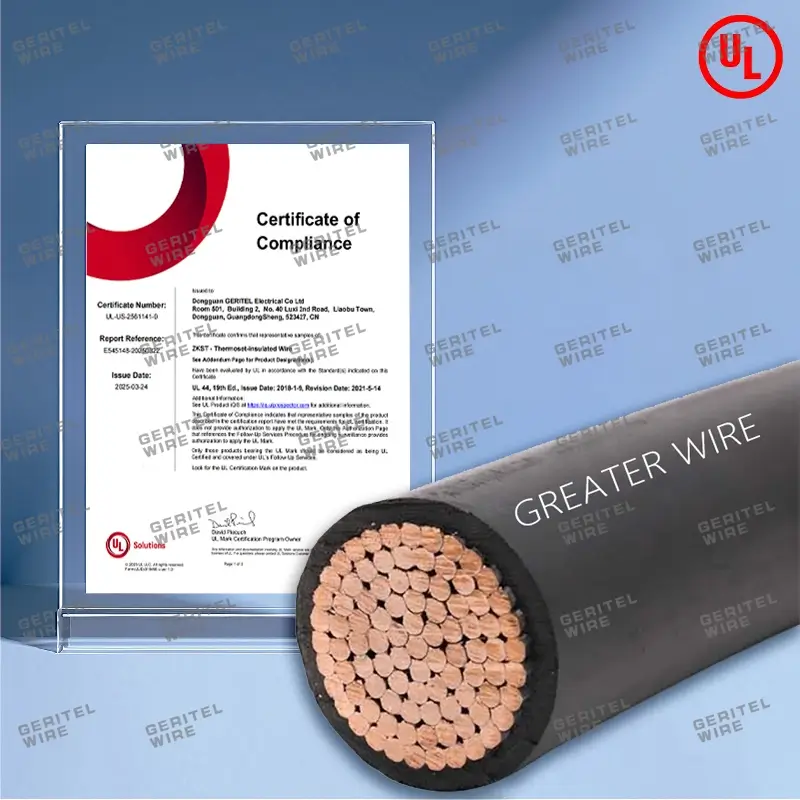
Additionally, working with certified, high-quality XHHW-2 wire ensures consistent insulation thickness, reliable conductor performance, and compliance with international standards, which ultimately reduces long-term risk and improves system stability.
Why XHHW-2 Is a Smart Choice for Underground Conduit Systems
From a buyer’s perspective, the decision often comes down to balancing performance, safety, and cost, and XHHW-2 stands out because it offers a strong combination of moisture resistance, thermal stability, and long service life when used correctly.
Compared to standard building wires, it provides enhanced durability in wet environments, and compared to more specialized underground cables, it offers a cost-effective solution when conduit installation is already part of the project design, making it a practical choice for a wide range of applications.
Conclusion
XHHW-2 wire can absolutely be used underground, but only when installed conduit systems, and understanding this requirement is the key to making the right decision; by connecting technical parameters to real-world scenarios, evaluating risks of incorrect selection, and choosing the appropriate size and conductor type, buyers can ensure both safety and performance while optimizing project costs.
Contact Us
Dongguan GERITEL Electrical Co., Ltd. offers high-quality XHHW-2, THHN, and THWN wires with UL44 certification, providing reliable and customized solutions for industrial, commercial, and residential projects.
Phone: +86 136 6257 9592
Email: manager01@greaterwire.com
Website: www.greaterwire.com
 UL44 Wire vs THHN Wire: Which Cable Should You Choose?



 Building 2, No. 40 Luxi 2nd Road, Liaobu Town, Dongguan City, Guangdong Province, China