


 Home
HomeTHHN/THWN-2 Cable in High-Temperature Environments: Cases and Precautions
 GERITEL
 Mar 25,2026

High-temperature environments pose unique challenges for electrical systems, making the choice of wiring crucial. THHN/THWN-2 cables have become a go-to solution for many engineers, contractors, and industrial operators due to their durability, thermal resistance, and compliance with industry standards. In this article, we explore practical cases, necessary precautions, and why working with certified professional suppliers ensures both safety and efficiency.
Understanding THHN and THWN-2 Cables
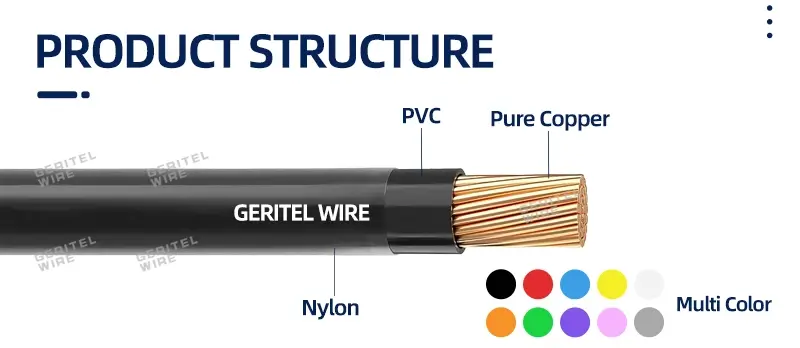
THHN (Thermoplastic High Heat-resistant Nylon-coated) and THWN-2 (Thermoplastic Heat and Water-resistant Nylon-coated, rated for 90°C wet conditions) are versatile conductors designed for demanding environments. THHN/THWN-2 cables are often used in commercial, industrial, and residential wiring, especially where temperatures can exceed normal operating conditions, including THHN cable industrial wiring use.
The distinction between these two types is subtle but important. While THHN is typically rated for dry locations up to 90°C, THWN-2 expands usability to wet conditions without compromising safety. This combination allows electrical systems to withstand high temperatures while maintaining insulation integrity—a critical factor in industrial kitchens, manufacturing plants, and outdoor conduits exposed to the sun. For industrial applications, THHN stranded copper cable UL83 is particularly reliable, meeting strict safety standards for high-heat scenarios.
Why High-Temperature Applications Require Special Attention
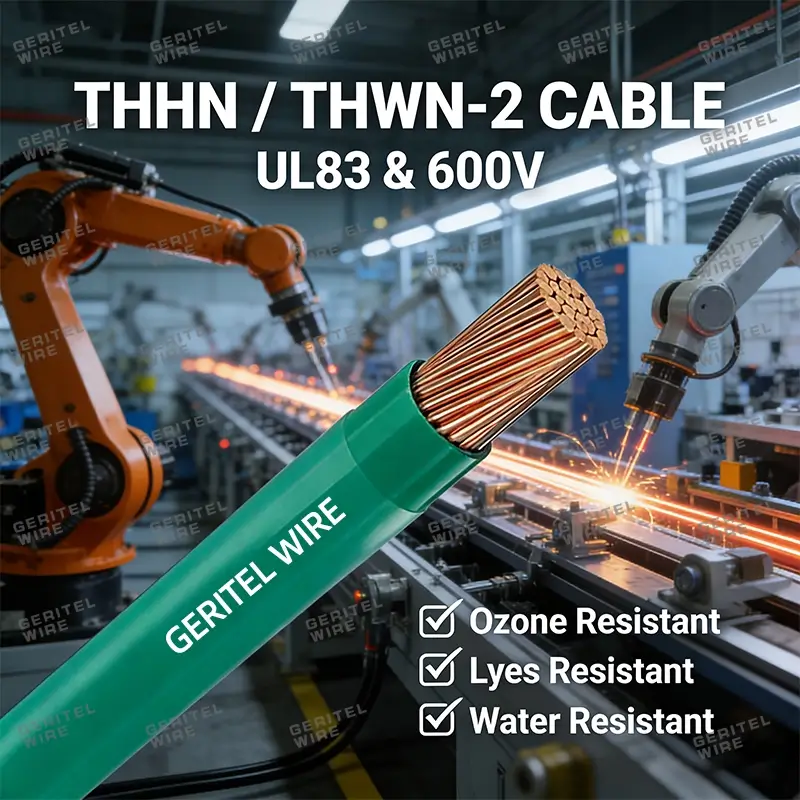
Electrical insulation failure is one of the leading causes of fire hazards in industrial settings. When cables are exposed to high temperatures, plastic insulation can soften, deform, or degrade over time. THHN/THWN-2 cables are engineered to resist these risks. Their thermoplastic insulation ensures reliable performance in temperatures up to 90°C in wet conditions and 90–105°C in dry conditions, depending on conductor size and installation method.
For example, in a steel mill or foundry, ambient temperatures may reach levels where conventional wiring fails. Using standard PVC-insulated cables could lead to premature insulation breakdown, increasing downtime and maintenance costs. By contrast, certified THHN/THWN-2 cables maintain their mechanical and electrical properties, ensuring system longevity.
Real-World Cases of THHN/THWN-2 Use in High-Temperature Environments
-
Industrial Plants:
In chemical processing plants, pipelines often carry hot fluids that elevate ambient temperatures in electrical rooms. THHN/THWN-2 cables have been successfully deployed to power pumps, motors, and control panels without overheating or insulation failure. By choosing cables from certified suppliers, plant operators ensure compliance with NEC and UL standards, reducing safety risks.
-
Commercial Kitchens:
Restaurants and catering facilities face unique challenges due to continuous exposure to heat from ovens and fryers. Standard wiring often degrades rapidly. THHN/THWN-2 cables provide a reliable solution, maintaining insulation integrity while handling higher currents safely.
-
Outdoor Solar Installations:
Photovoltaic installations on rooftops experience significant heat from sunlight exposure. THWN-2’s wet-location rating ensures cables perform reliably even in rain or humid conditions, preventing shorts and energy losses. Certified cables also guarantee adherence to environmental and safety regulations.
Key Precautions When Installing THHN/THWN-2 in High-Temperature Areas
Proper installation is as important as cable selection. The following precautions help maximize cable performance and lifespan:
Avoid Overloading: Always calculate load current accurately to prevent excessive heat generation in the conductors.
Maintain Conduit Spacing: Overcrowded conduits restrict airflow, increasing ambient temperature around the cable and potentially reducing the insulation lifespan.
Follow Manufacturer Guidelines: Each THHN/THWN-2 cable comes with detailed temperature and voltage ratings. Compliance with these specifications ensures optimal performance.
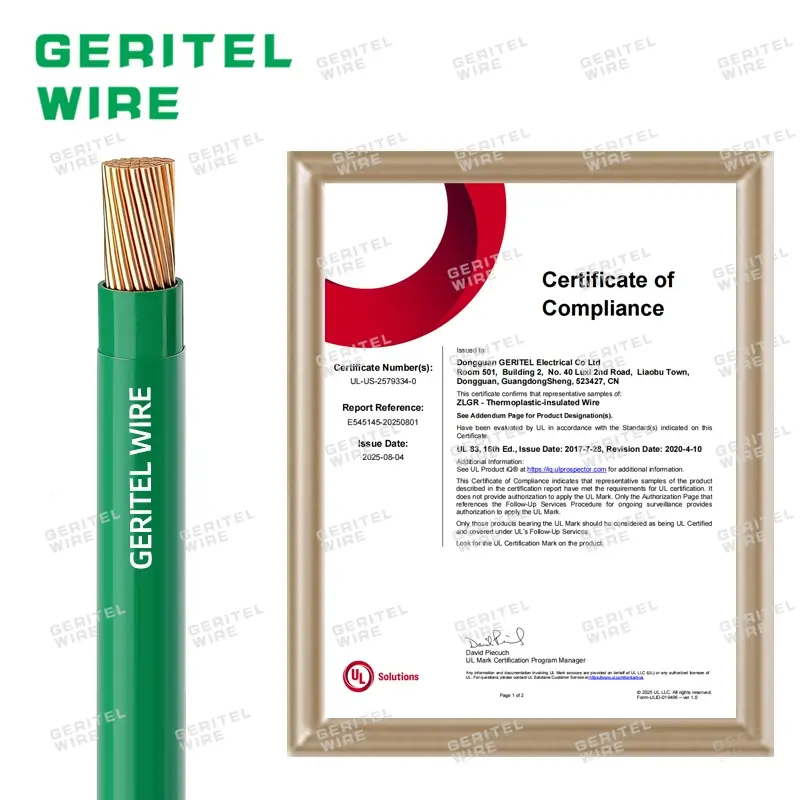
Certified Sourcing: Using certified cables from professional suppliers not only guarantees authenticity but also ensures traceability in case of audits or safety inspections.
Maintenance and Monitoring in High-Temperature Settings
Even the most robust THHN/THWN-2 cables benefit from periodic inspection. Regular checks for discoloration, insulation cracks, or signs of overheating can prevent minor issues from escalating. Infrared thermography and load monitoring are recommended in industrial environments to detect hotspots early. Suppliers who provide ongoing technical support can guide preventive maintenance strategies, helping facilities maintain operational safety and efficiency.
Conclusion
THHN/THWN-2 cables are indispensable for high-temperature environments. Their thermal resistance, durability, and certification-backed reliability make them a preferred choice for industrial, commercial, and residential installations. By combining careful installation practices, certified sourcing, and ongoing monitoring, engineers can ensure long-lasting, safe electrical systems.
Whether dealing with hot industrial floors, rooftop solar panels, or commercial kitchen wiring, THHN/THWN-2 cables from professional suppliers offer the assurance of safety, compliance, and optimal performance. Choosing certified products is not just a regulatory requirement—it’s a commitment to reliability and peace of mind.
Contact us
Safe, durable, cost-effective cables for worldwide customers.
Tel/WhatsApp/WeChat: +86 136 6257 9592 / +86 135 1078 4550
Email: manager01@greaterwire.com
 Complete Guide to UL83 THHN/THWN-2 Cable: Models, Materials, and Applications



 Building 2, No. 40 Luxi 2nd Road, Liaobu Town, Dongguan City, Guangdong Province, China