


 Home
HomeTHHN Wire Temperature Rating and Insulation Guide
 GERITEL
 Mar 26,2026

When it comes to electrical wiring, choosing the right type of wire is crucial to ensuring the safety and efficiency of your project. Whether you're wiring a commercial building, industrial equipment, or residential circuits, selecting the wrong THHN wire temperature rating or insulation type can lead to insulation degradation, short circuits, and even safety hazards, all of which can be costly and time-consuming to fix. This guide will walk you through how to choose the right THHN wire based on temperature ratings and insulation materials, helping you understand how these parameters affect different application scenarios while guiding you to make the most informed decision.
1. Understanding Key Parameters: Temperature Rating, Insulation, and UL Certification
When selecting THHN wire, temperature rating and insulation type are the two most important parameters to consider. These factors play a vital role in determining the performance of the wire in different environments. At the same time, UL certification is an essential assurance of quality and safety. Let’s break down these parameters and their relevance to real-world applications.
1. 1 THHN Wire Temperature Rating
The temperature rating of THHN wire dry location rated 90C is one of the most crucial factors to consider when selecting wire. Typically, THHN wire comes with two primary temperature ratings:
- 90°C (Dry Environment)
- 75°C (Wet Environment)
These temperature ratings indicate the maximum temperature the wire can safely withstand without damage.
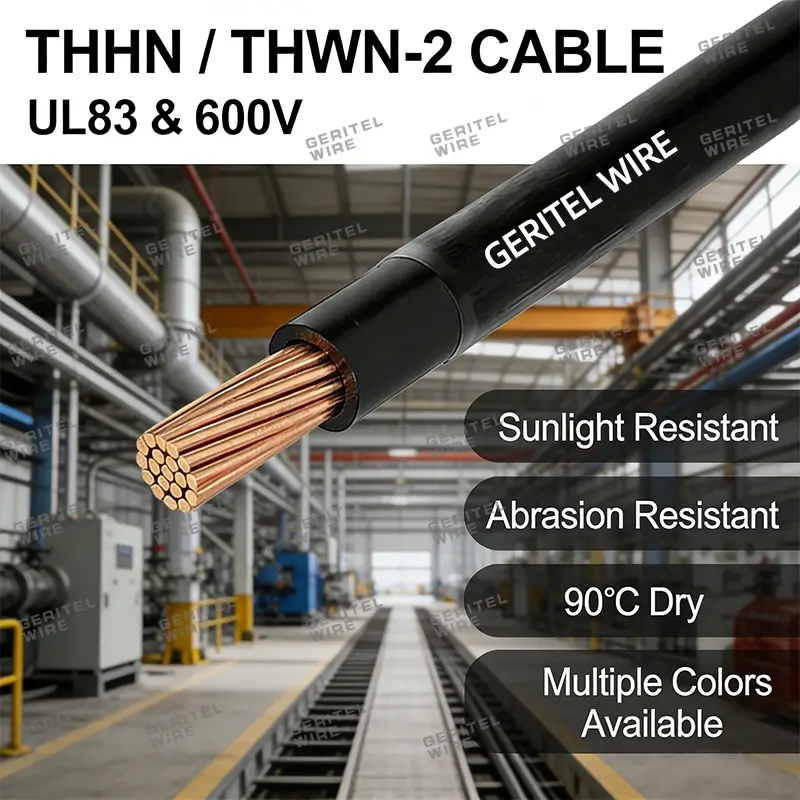
- 90°C Rated Wire: This wire is ideal for dry environments and is commonly used for industrial equipment and machinery wiring, especially in environments with high or fluctuating temperatures, such as manufacturing facilities or heavy machinery.
- 75°C Rated Wire: This is suitable for wet or damp environments, such as residential or commercial circuits, especially in basements or outdoor settings. While it can be used in damp conditions, it is not recommended for high-temperature environments.
When choosing a temperature rating, it’s essential to ensure that the wire's temperature rating matches the environment in which it will be used. Using a 75°C rated wire in a high-temperature environment can cause insulation material to degrade, leading to electrical faults or even fire hazards.
1. 2 The Impact of Ambient Temperature
Ambient temperature affects the wire’s performance and temperature rating. If a wire is exposed to higher temperatures, you may need to select a wire with a higher temperature rating or reduce the current load to avoid overheating. For example, in high-temperature industrial environments, a higher-rated wire or reducing the load may be necessary to prevent the wire from overheating.
1. 3 Insulation Types: PVC and Nylon
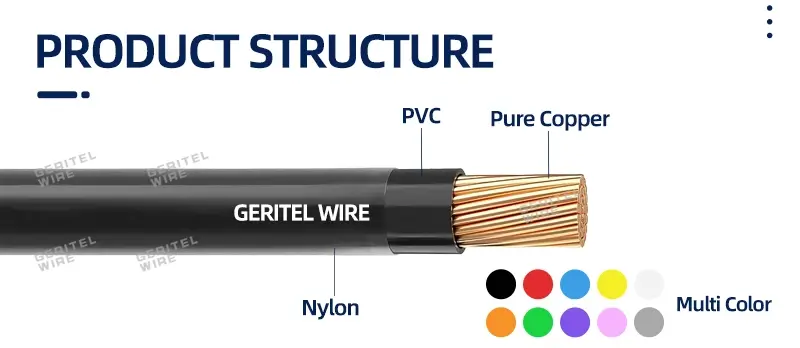
THHN wires generally have two types of insulation materials: PVC (Polyvinyl Chloride) and Nylon.
- PVC Insulation: PVC-insulated wires are widely used for general-purpose electrical wiring due to their excellent fire resistance and durability in dry environments. They are ideal for indoor wiring, such as in walls or ceilings of buildings.
- Nylon Sheath: Many THHN electrical wire nylon jacket are also equipped with a nylon sheath. Nylon provides better moisture resistance and wear protection, making it perfect for use when the wire needs to be run through conduits.
Both PVC insulation and nylon sheathing help improve the wire's durability and performance in different installation environments.
1. 4 UL Certification and Quality Assurance
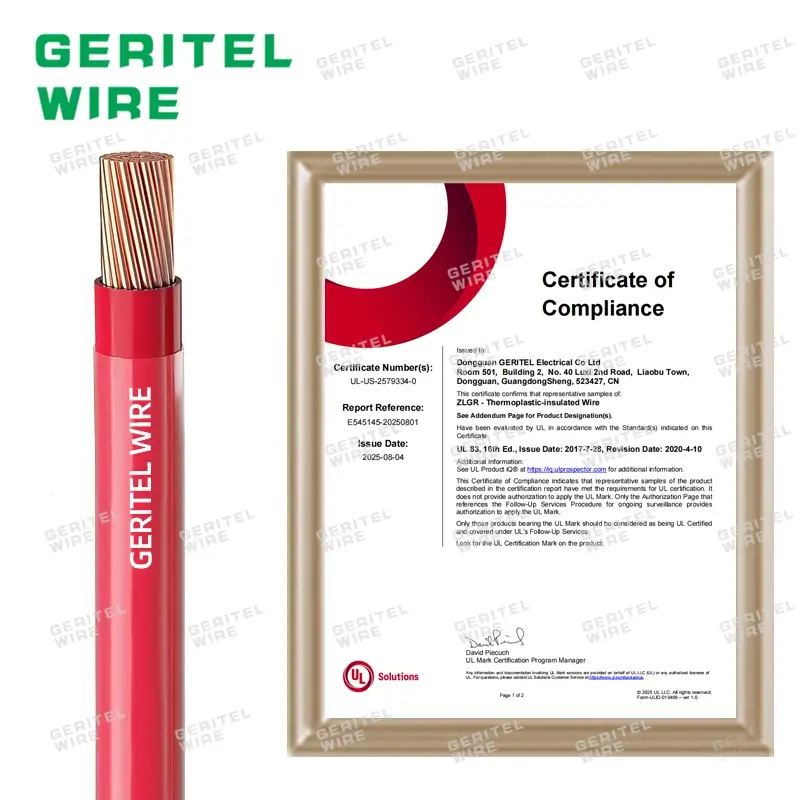
It’s also important to mention that THHN wires typically comply with UL83 standards and are UL Listed. This means the wire has passed stringent safety and quality tests, ensuring it meets international safety standards. Purchasing UL-certified THHN copper wire high temp rating provides added assurance that your electrical installation complies with industry standards and minimizes safety risks. UL certification not only guarantees the wire's reliability but also ensures it performs well in harsh environments.
2. Matching Wire Specifications with Application Scenarios
Choosing the right wire goes beyond considering the temperature rating and insulation material. The wire's gauge (AWG size) and other specifications are also crucial to ensuring that it can handle the required current load. Let's take a closer look at how different gauges match up with various application scenarios.
2. 1 AWG Gauge and Load Capacity
AWG (American Wire Gauge) refers to the thickness of the wire; the thicker the wire, the greater the current it can carry without overheating.
- 14 AWG: Suitable for low-power applications, such as lighting circuits or small appliances.
- 12 AWG: Ideal for residential power distribution, such as power outlets or kitchen appliances.
- 2 AWG: Used for industrial or high-load applications, such as supplying power to large machinery.
- 4/0 AWG: Suitable for large commercial or industrial installations, such as main power lines for buildings.
AWG gauge directly correlates with the wire’s load capacity. Choosing the appropriate gauge ensures that the wire can carry the required current load without overheating, which could damage the wire or its insulation.
2. 2 Choosing the Right Gauge for Your Project
When selecting an AWG gauge, it’s crucial to consider the load requirements. Choosing too small of a gauge can cause the wire to overheat and potentially lead to fire hazards.
- For residential wiring, 12 AWG is usually sufficient for most circuits.
- For industrial environments, a 2 AWG or 4/0 AWG wire may be necessary to safely handle high current loads.
3. Comparing THHN with Other Wire Types
While THHN wire is widely used, it’s important to understand how it compares with other common wire types, such as THWN, THWN-2, and XHHW. Each type has different temperature ratings and insulation properties, offering various benefits and limitations.
3. 1 Comparing THHN with THWN and THWN-2
- THHN: Suitable for dry environments with a temperature rating of 90°C (dry) and 75°C (wet).
- THWN: Suitable for both dry and wet environments but has a maximum temperature rating of 75°C, which makes it unsuitable for high-temperature environments.
- THWN-2: Offers improved heat and moisture resistance compared to THWN, suitable for both dry and wet environments with a temperature rating of 90°C.
When choosing between these, select based on the environment. If your installation involves wet areas, THWN or THWN-2 may be better suited.
3. 2 Comparing THHN with XHHW
- XHHW: Uses XLPE (Cross-linked Polyethylene) insulation, which offers better moisture resistance, heat resistance, and chemical resistance, making it ideal for outdoor or underground installations.
For projects requiring wiring in harsh environments like damp or underground locations, XHHW might be a better fit.
4. Avoiding Common Selection Mistakes
Choosing the wrong THHN wire can lead to significant issues such as insulation failure, electrical faults, and safety hazards. Here are some common mistakes to avoid:
4. 1 Incorrect Temperature Rating Selection
Using a wire with a lower temperature rating than the environment requires can lead to insulation breakdown, short circuits, or fire hazards. Always ensure that the temperature rating of the wire matches the installation environment.
4. 2 Choosing the Wrong AWG Gauge
Choosing an AWG gauge that’s too small for the required current load can lead to the wire overheating, accelerating insulation degradation, or even causing fires. Always select the correct AWG size based on your load requirements.
4. 3 Using THHN Wire in Unsuitable Environments
THHN wire is not suitable for long-term exposure to wet, underwater, or highly corrosive environments, nor is it suitable for environments exceeding the rated temperature or current capacity. Always select the appropriate wire type for the environment to ensure electrical safety.
5. Need Help Choosing the Right THHN Wire?
If you’re still unsure which THHN wire temperature rating, insulation type, or AWG size is best for your project—whether it’s residential wiring, commercial buildings, or industrial equipment—we can provide personalized recommendations based on your specific load requirements, installation environment, and safety standards. Contact us today for a tailored quote and ensure your project is safe, durable, and cost-effective.
Dongguan GERITEL Electrical Co., Ltd.
Tel/WhatsApp/WeChat: +86 135 1078 4550 / +86 136 6257 9592
Email: manager01@greaterwire.com
By understanding these parameters and matching them to your application scenarios, you can ensure that the THHN wire you select will perform reliably and safely, providing optimal electrical safety and efficiency for your project.
 THHN vs MTW Wire: Key Differences for Industrial Wiring



 Building 2, No. 40 Luxi 2nd Road, Liaobu Town, Dongguan City, Guangdong Province, China