


 Home
HomeTHHN Electrical Wire Buying Guide
 GERITEL
 Mar 27,2026

When customers search for a “THHN electrical wire buying guide,” they are not simply looking for definitions, but rather trying to answer a much more practical and urgent question: which wire should they choose to ensure safety, compliance, and long-term reliability without overspending or risking project failure, and it is exactly at this decision-making moment that a clear, technically grounded, and application-oriented guide becomes essential.
Why THHN Wire Has Become the Preferred Choice in Modern Electrical Projects
THHN electrical wire has become a standard solution across residential, commercial, and industrial installations because it combines high heat resistance, durable insulation, and cost efficiency into a single conductor design that performs consistently under demanding conditions, and for contractors, engineers, and distributors, this means fewer installation issues, lower maintenance risk, and greater confidence in passing inspections.
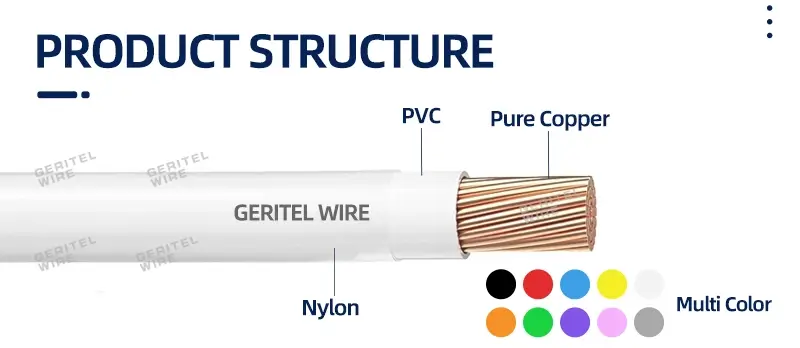
Unlike lower-grade alternatives, THHN electrical cable UL listed uses a PVC insulation layer combined with a nylon jacket, which not only enhances mechanical protection and chemical resistance but also significantly improves pulling performance through conduits, making it especially suitable for large-scale installations where efficiency and durability directly affect labor cost and project timelines.
The Most Important Buying Factors That Actually Influence Your Decision
A strong buying guide must focus on the factors that directly impact real purchasing decisions, rather than listing generic specifications, and in the case of THHN wire, there are four core elements that determine whether the product will meet your needs or create long-term problems.
1. Choosing the Correct Wire Gauge Based on Real Load Requirements
The most critical factor in any THHN wire purchase is the wire gauge, because it determines how much current the conductor can safely carry without overheating, and selecting the wrong size is one of the most common and costly mistakes in electrical projects.
Customers who prioritize short-term cost savings by choosing a smaller gauge often face overheating, insulation damage, and even fire risks, while selecting an oversized wire unnecessarily increases material costs without delivering proportional benefits, which is why professional buyers always match AWG size precisely to load calculations, installation length, and voltage drop requirements.
2. Stranded vs Solid: Installation Efficiency Directly Affects Cost
While many buyers assume all THHN wires perform similarly, the choice between solid and stranded conductors can significantly impact installation efficiency, labor cost, and long-term usability.
Stranded THHN wire is widely preferred in commercial and industrial environments because its flexibility allows for easier pulling through conduits, smoother routing in complex systems, and faster termination in panels, all of which translate into reduced installation time and lower labor expenses, whereas solid wire, although more economical, is better suited for simple, straight runs where flexibility is not a priority.
3. Insulation Rating Determines Where You Can Actually Use the Wire
One of the most overlooked yet critical aspects of choosing THHN nylon insulated copper wire is understanding its insulation rating and environmental compatibility, because not all THHN wires are suitable for all conditions.
In practice, most professional buyers choose THHN/THWN-2 dual-rated wire because it can operate safely in both dry and wet locations while maintaining a 90°C temperature rating, which eliminates the risk of misapplication and provides greater flexibility across different installation environments, especially in projects where conditions may change over time.
4. Copper vs Aluminum: Performance Should Guide Your Investment
Although aluminum wire may appear attractive due to its lower cost, experienced buyers understand that copper THHN wire offers superior conductivity, better mechanical strength, and more stable long-term performance, which reduces the risk of connection issues, voltage drop, and maintenance requirements.
For most applications, especially those involving critical systems or long-term operation, choosing copper is not just a technical preference but a strategic investment in reliability and safety.
5. Certification Is Not Optional—It Is a Requirement for Real Projects
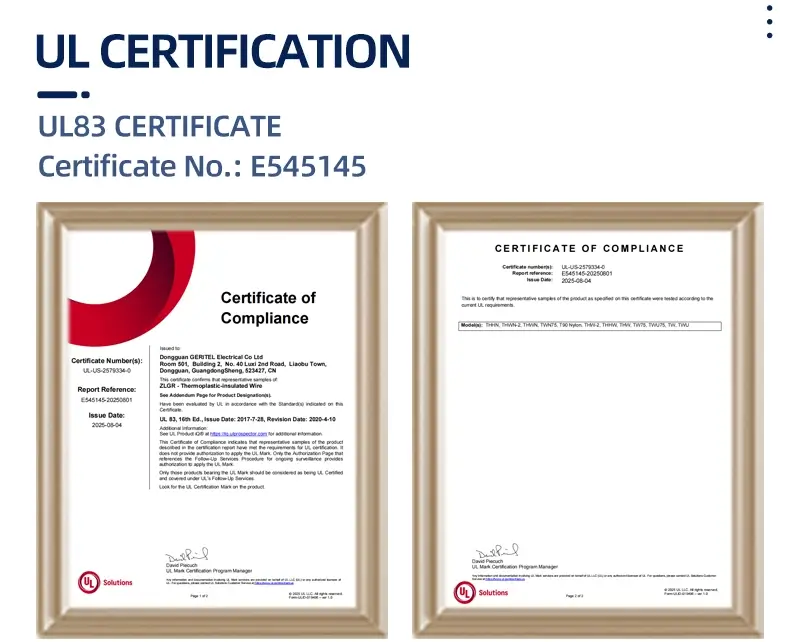
In real procurement scenarios, certification is often the deciding factor that separates acceptable products from risky ones, because electrical systems must comply with strict standards to pass inspection and operate safely.
THHN wire that meets UL standards, along with additional certifications such as ISO and RoHS, provides assurance that the product has been tested for performance and safety, and more importantly, ensures that your project will not face delays, rework, or rejection due to non-compliant materials.
Why Choosing the Right THHN Wire Saves More Than Just Material Cost
Many buyers initially focus on price per meter, but experienced decision-makers evaluate total project cost, which includes installation efficiency, maintenance risk, system reliability, and compliance assurance.
A high-quality THHN wire that is properly selected can reduce installation time due to better flexibility, minimize energy loss through optimized conductivity, and prevent costly failures caused by overheating or insulation breakdown, which ultimately delivers a much higher return on investment compared to low-cost alternatives.
Common Mistakes That Smart Buyers Avoid
In competitive markets, the difference between a successful project and a problematic one often comes down to avoiding a few key mistakes, such as selecting the wrong gauge to reduce upfront cost, using non-dual-rated wire in environments that may involve moisture, or purchasing from suppliers who cannot provide proper certification and technical support.
Each of these mistakes may seem minor at the purchasing stage, but they can lead to serious consequences including system failure, safety hazards, and financial loss, which is why professional buyers prioritize long-term reliability over short-term savings.
How to Choose the Right Supplier for THHN Wire
Beyond the product itself, choosing a reliable supplier is equally important, because consistent quality, certification support, and technical expertise can significantly reduce procurement risk and improve project outcomes.
A professional supplier should be able to provide certified products, clear technical specifications, and application-based recommendations, ensuring that you are not only buying a wire, but also receiving a complete solution tailored to your project needs.
Final Recommendation: Make a Decision Based on Performance, Not Just Price
If you want to ensure that your electrical system performs safely and efficiently over the long term, the most effective approach is to choose THHN wire that matches your load requirements, installation conditions, and compliance standards, while prioritizing stranded copper conductors and dual-rated insulation whenever possible.
Making the right decision at the purchasing stage not only protects your project from technical risks but also improves installation efficiency and reduces long-term operational costs, which is exactly why THHN wire remains the preferred choice for professionals worldwide.
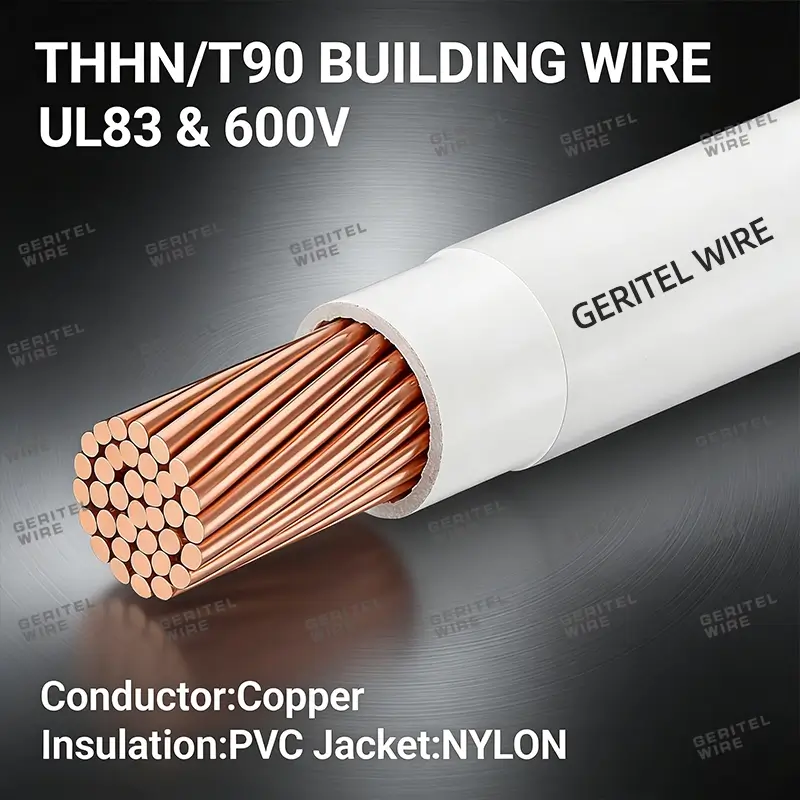
When selecting cables for demanding industrial or commercial environments, Dongguan GERITEL Electrical Co., Ltd. stands out by offering UL-certified THHN and THWN-2 products that deliver consistent electrical performance, strong mechanical protection, and long service life, ensuring your system remains stable even under heavy operational loads.
Contact Us
Tel / WeChat / WhatsApp: +86 136 6257 9592
Email: manager01@greaterwire.com
Website: www.greaterwire.com
 THHN vs PVC Wire: Key Advantages Explained



 Building 2, No. 40 Luxi 2nd Road, Liaobu Town, Dongguan City, Guangdong Province, China