


 Home
HomeTHHN vs PVC Wire: Key Advantages Explained
 GERITEL
 Mar 27,2026

In modern electrical projects, whether you are designing a commercial power distribution system, sourcing cables for industrial equipment, or planning a cost-sensitive residential installation, the choice between THHN wire and PVC wire is no longer a simple material comparison, but a critical decision that directly impacts system safety, installation efficiency, and long-term operational costs, which is why understanding their differences through a practical, comparison-driven perspective is essential for making a confident purchasing decision.
How THHN UL83 compliant electrical wire Provides a Higher Safety Margin in High-Load Applications
In real-world electrical systems, temperature performance is often the defining factor that determines whether a wire can operate reliably under continuous load, and while standard PVC wire is typically rated around 70°C, THHN wire is commonly rated up to 90°C in dry locations, which means that under heavy current loads or elevated ambient temperatures, THHN wire can maintain insulation integrity far more effectively, whereas PVC insulation is more prone to softening, degradation, and eventual failure, making THHN the safer choice for commercial buildings, industrial facilities, and any application where downtime or safety risks are unacceptable.
Why THHN Withstands Harsh Installation Conditions Better Than PVC
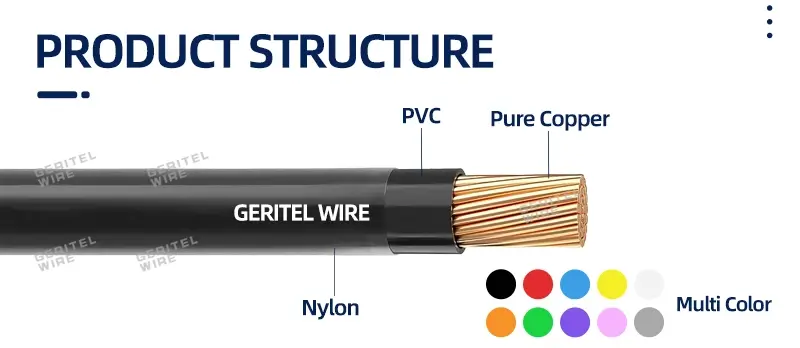
During installation, especially in conduit or cable tray systems, wires are frequently subjected to pulling tension, friction, and environmental exposure, and THHN copper conductor PVC nylon, with its nylon outer jacket, offers superior resistance to abrasion, oil, and chemicals, allowing it to endure demanding installation environments without compromising insulation performance, while PVC wire, lacking this protective layer, is more vulnerable to surface damage and wear, which can lead to hidden faults and reduced lifespan, particularly in complex or large-scale installations.
How THHN Reduces Labor Costs in Large-Scale Projects
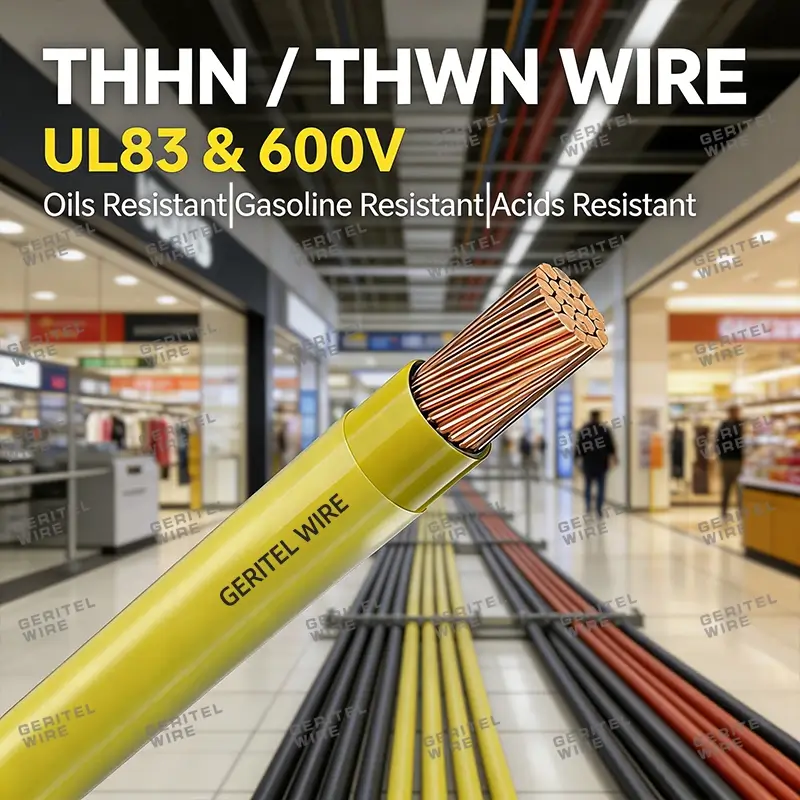
In many electrical projects, labor costs often exceed material costs, which makes installation efficiency a key factor in overall budgeting, and thanks to its smooth nylon coating and availability in stranded conductors, THHN power wire for conduit use can be pulled through conduits more easily, bends more flexibly around corners, and reduces installation resistance, whereas PVC wire, especially in solid-core form, tends to be stiffer and more difficult to handle in long or complex routing scenarios, ultimately increasing installation time and labor effort, making THHN a more cost-effective solution from a total project perspective.
Where THHN Offers Greater Application Flexibility Than PVC
As project environments become more complex, the ability of a wire to adapt to different conditions becomes increasingly important, and THHN wire is widely used in commercial buildings, industrial systems, control panels, and conduit installations, while its variant, THWN-2, can also perform in wet locations, significantly expanding its usability, whereas PVC wire is generally limited to indoor, low-load, and less demanding environments, which means that choosing THHN can reduce the need for multiple wire types and simplify procurement and inventory management.
Why THHN Delivers Better Long-Term Value Despite Higher Initial Cost
Although PVC wire may appear more economical at the time of purchase, its lower temperature rating and reduced durability often result in higher maintenance frequency, shorter service life, and increased risk of failure, all of which contribute to higher total lifecycle costs, while THHN wire, with its superior performance and longer lifespan, minimizes replacement needs and reduces system downtime, making it a smarter investment for buyers who prioritize reliability and long-term savings over short-term cost reduction.
The Real Risks of Choosing PVC Over THHN in Critical Applications
Selecting PVC wire for high-load or high-temperature environments where THHN is more appropriate can lead to insulation breakdown, electrical faults, short circuits, and even fire hazards, which not only compromise system safety but can also result in costly repairs and operational disruptions, whereas choosing THHN wire, even in less demanding environments, provides an added layer of reliability without introducing performance risks, making it a safer default choice in most professional applications.
Why More Buyers Are Shifting Toward THHN Wire
As electrical systems continue to demand higher performance and stricter safety compliance, engineers, contractors, and procurement professionals are increasingly moving away from price-driven decisions and toward performance-driven solutions, and THHN wire, with its proven advantages in heat resistance, durability, and installation efficiency, is becoming the preferred standard in commercial and industrial markets, reflecting a broader trend toward reliability and long-term value.
Practical Buying Guidance for Your Next Project
If your project involves high electrical loads, complex routing, or environments that demand long-term reliability, choosing THHN wire will provide better performance, lower risk, and greater cost efficiency over time, whereas PVC wire may still be suitable for simple, low-load, and budget-sensitive applications, provided that its limitations are fully understood and respected.
Conclusion
By comparing THHN and PVC wire across key decision-making factors such as temperature performance, durability, installation efficiency, and application flexibility, it becomes clear that THHN wire offers significant advantages in most professional scenarios, making it the preferred choice for projects where safety, reliability, and long-term value are top priorities, while PVC wire remains a viable option for basic applications with lower performance requirements.
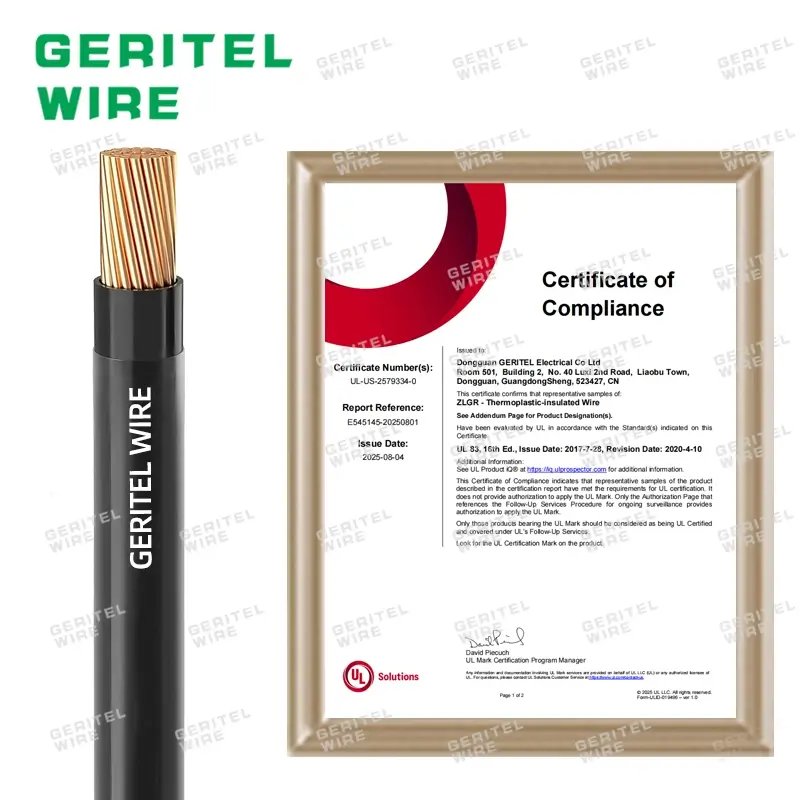
To ensure your electrical system performs efficiently under real operating conditions, Dongguan GERITEL Electrical Co., Ltd. supplies precision-manufactured THHN and THWN-2 cables that combine durable insulation, stable conductivity, and certified compliance, making them suitable for demanding environments such as industrial plants, HVAC systems, and heavy-duty machinery installations.
Contact Us
Tel / WeChat / WhatsApp: +86 136 6257 9592
Email: manager01@greaterwire.com
Website: www.greaterwire.com
 THHN vs XLPE Wire: Which Insulation Is Better?



 Building 2, No. 40 Luxi 2nd Road, Liaobu Town, Dongguan City, Guangdong Province, China