


 Home
HomeTemperature Ratings of UL83 Standard Cables: THHN/THWN-2 Explained
 GERITEL
 Mar 25,2026

In modern electrical engineering and procurement environments, safety, compliance, cost efficiency, and long-term operational reliability must all be carefully balanced in increasingly complex conditions. Understanding the temperature ratings defined THWN UL83 listed electrical cable and THHN UL83 compliant electrical wire is no longer just a technical consideration—it directly impacts purchasing decisions, as these ratings determine not only how a cable performs under load but also whether it can safely operate in dry, humid, or harsh environments over time without performance degradation or failure.
Why Temperature Ratings Matter for Real-World Performance
From a user’s perspective, whether designing a commercial building system, managing an industrial facility, or sourcing cables for large-scale infrastructure, the temperature rating defines the amount of thermal stress a cable can handle during continuous operation. This affects safety margins, system efficiency, and long-term maintenance costs, and it ensures the system can run reliably under varying load conditions without frequent replacements or service interruptions.
THHN vs THWN-2: Key Parameters and Application Differences
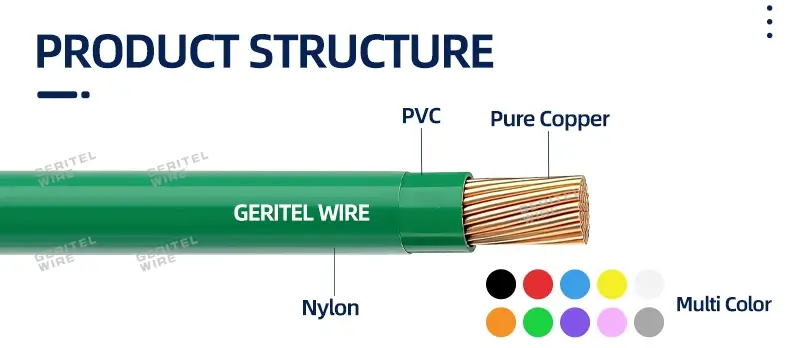
THHN and THWN-2 are both manufactured according to the UL83 standard and use PVC insulation with a nylon jacket. However, their temperature ratings and environmental adaptability define their practical applications and procurement value.
| Comparison Factor |
THHN |
THWN-2 |
| Temperature Rating (Dry) |
90°C |
90°C |
| Temperature Rating (Wet) |
Not allowed |
90°C |
| Environmental Adaptability |
Dry locations only |
Suitable for dry and wet environments |
| Insulation Structure |
PVC + Nylon |
PVC + Nylon (enhanced water resistance) |
| Installation Flexibility |
Limited |
High |
| Typical Applications |
Indoor panels, control cabinets |
Outdoor, underground, industrial environments |
| Risk of Misapplication |
High in wet environments |
Low |
This table highlights that THHN is suitable for controlled dry environments, while THWN-2 provides a broader range of safe applications, reducing uncertainty and potential project risks.
Application Scenarios That Influence Customer Choices
Commercial Buildings: Even if conduits are dry at installation, humidity and condensation may occur over time. THWN-2 helps avoid future maintenance and replacement costs.
Industrial Environments: With heat, moisture, and oil present, THWN-2 maintains reliable performance, while THHN is limited to dry areas.
Outdoor and Infrastructure Projects: Underground conduits and exposed outdoor wiring require THWN-2 to maintain 90°C performance in wet conditions.
HVAC Systems: Rooftop units, basements, and condensation-prone areas benefit from THWN-2, reducing insulation degradation risk.
How Parameter Differences Translate Into Procurement Value
From a procurement perspective, the difference between THHN and THWN-2 goes beyond technical specifications and directly affects cost efficiency and risk management. THHN has a lower upfront cost but limited application. THWN-2, although slightly more expensive, covers multiple applications, reduces inventory complexity, and avoids costly misapplications, offering higher overall value in real-world projects.
Risks of Incorrect Cable Selection
Many electrical system failures result from incorrect cable selection rather than product quality. Common issues include:
Using THHN in wet environments → insulation damage or short circuits
Ignoring temperature ratings → overheating and reduced lifespan
Insufficient specifications → insufficient current capacity and lower system efficiency
These risks increase maintenance costs, downtime, inspection failures, and safety hazards, outweighing initial cost savings.
Matching Specifications to Engineering Needs
THHN: Suitable for strictly controlled dry environments such as indoor panels and conduit systems, providing reliable performance at a lower cost.
THWN-2: Ideal for any scenario with environmental uncertainty, including outdoor installations, underground systems, industrial facilities, and HVAC systems. Its 90°C rating in both wet and dry conditions ensures long-term stability.
In short, if there is any possibility of moisture or environmental variation, THWN-2 is the safer and more forward-looking choice.
Why UL83 Compliance Matters
Cables manufactured according to the UL83 standard are globally recognized for consistent quality and safety performance. UL83 compliance ensures smoother project approvals, higher market acceptance, and greater trust from engineers and end users.
Conclusion: Prioritize Reliability Over Initial Cost
While THHN remains a practical and economical choice for strictly dry and controlled environments, THWN-2 clearly provides superior value for modern electrical systems. Its dual 90°C rating in both wet and dry environments reduces risk, simplifies procurement, and ensures long-term operational reliability, making it the preferred choice for buyers who prioritize performance, safety, and total lifecycle value.
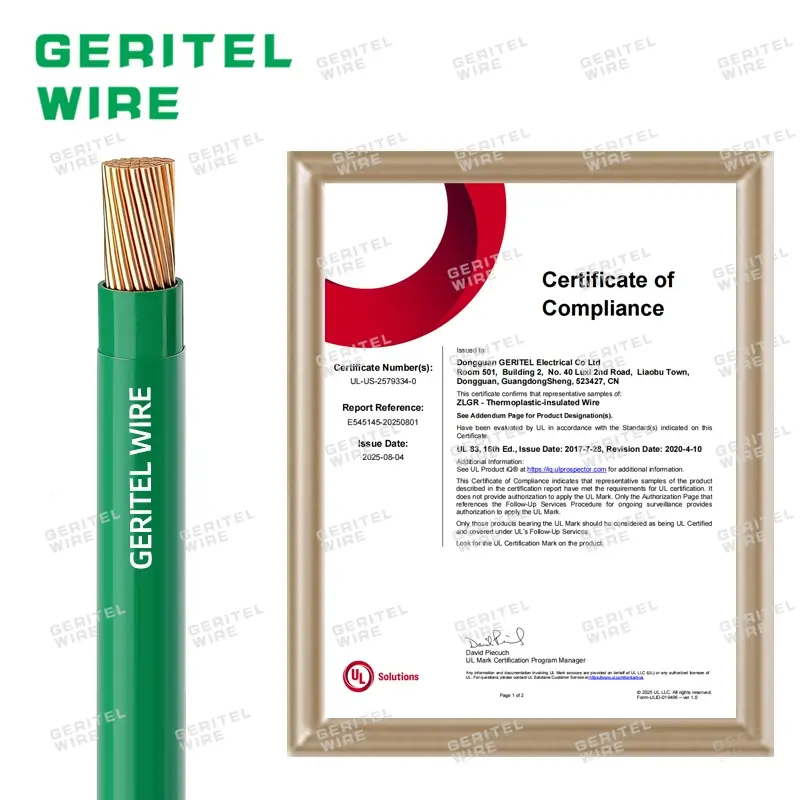
By choosing UL83-compliant cables with the right temperature rating, you ensure compliance with electrical codes, minimize safety hazards, and build durable, reliable wiring systems. For commercial and industrial professionals, investing in high-quality, certified wiring from reputable manufacturers is an investment in long-term project success—one that pays off in safety, efficiency, and reduced rework.
Contact us:
Dongguan GERITEL Electrical Co., Ltd.
Email: manager01@greaterwire.com
Tel/WhatsApp/WeChat: +86 135 1078 4550 / +86 136 6257 9592
Feel free to contact us for compliant, high-quality THHN / THWN-2 / cables solutions tailored to your project needs.
 Safety Analysis of THHN/THWN-2 Cables in Moist Environments



 Building 2, No. 40 Luxi 2nd Road, Liaobu Town, Dongguan City, Guangdong Province, China