


 Home
HomeSafety Analysis of THHN/THWN-2 Cables in Moist Environments
 GERITEL
 Mar 25,2026

In modern electrical engineering and procurement, where environmental uncertainty is increasingly common and moisture exposure can no longer be treated as an exception, a safety-focused analysis of THHN and THWN-2 cables becomes essential for decision-makers who must ensure long-term system reliability, compliance, and cost control, especially when working within the framework of UL83, because the ability of a cable to withstand moisture directly determines whether it will perform safely or become a hidden risk over time.
Why Moisture Is the Most Overlooked Safety Threat
From a user’s perspective, moisture is not just an environmental condition but a progressive risk factor that silently compromises insulation performance, since even minimal condensation inside conduits or exposure to humid air can gradually reduce dielectric strength, leading to leakage current, insulation breakdown, and eventually system failure, which is why projects that initially appear “dry” often experience unexpected issues years after installation.
Typical moisture sources include condensation inside conduits, underground humidity, outdoor rain exposure, and industrial environments with steam or chemical vapors, all of which make moisture resistance a critical factor when choosing between THHN and THWN-2 cables.
Understanding the Core Difference Between THHN and THWN-2
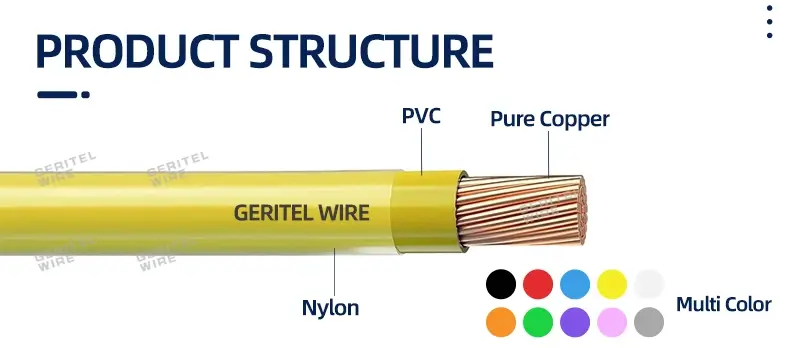
Although both cable types are produced under UL83 and share a similar PVC insulation with a nylon jacket, their fundamental difference lies in how they respond to moisture conditions, which directly impacts safety performance in real-world applications.
THHN is rated for 90°C in dry environments only, meaning it is designed for controlled conditions where moisture exposure is strictly avoided, and this is why THHN building wire commercial use is commonly limited to indoor applications such as electrical panels, dry conduits, and control systems within office buildings, where environmental stability can be guaranteed over the long term.
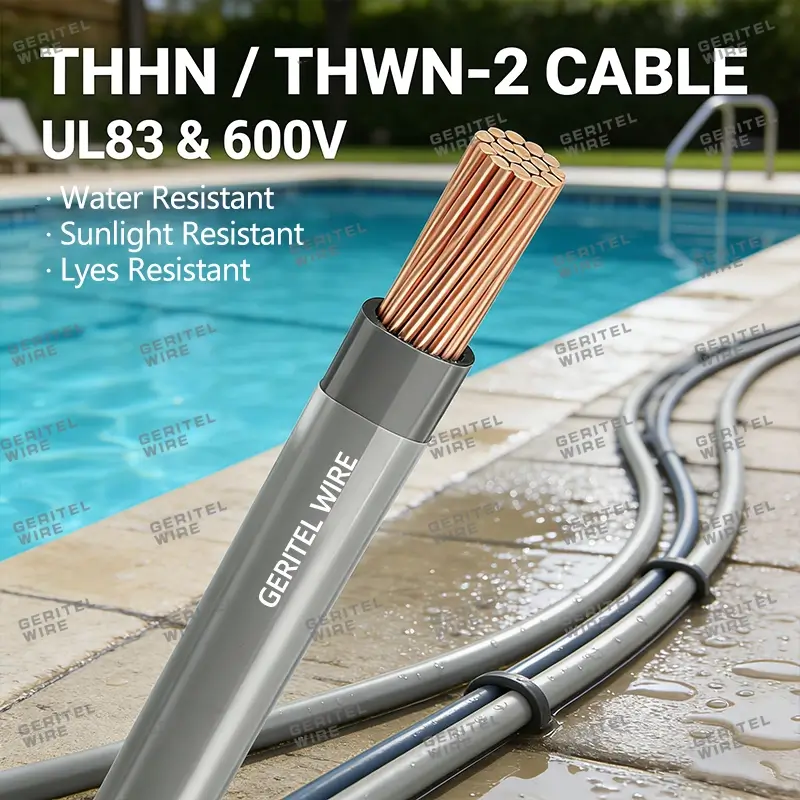
In contrast, THWN-2 is engineered to operate at 90°C in both wet and dry environments, which allows it to maintain insulation integrity even when exposed to water, humidity, or condensation, making THWN-2 copper wire wet dry rated solutions far more adaptable and reliable in projects where environmental conditions cannot be fully controlled.
Real Application Scenarios That Influence Buying Decisions
In commercial buildings, while initial installation conditions may appear dry, long-term exposure to humidity in ceilings, basements, and enclosed conduits can create hidden moisture risks, which means relying solely on THHN may lead to gradual insulation degradation, whereas THWN-2 provides a more secure long-term solution.
In industrial facilities, where heat, moisture, oil, and airborne contaminants coexist, the risk of insulation failure increases significantly if cables are not designed for such environments, making THWN-2 the preferred choice for ensuring operational continuity and minimizing downtime.
In outdoor installations, including exposed conduits and rooftop systems, environmental conditions such as rain and temperature fluctuations are unavoidable, and only cables designed for wet conditions can ensure stable performance.
In underground systems, where moisture exposure is constant, selecting a dry-rated cable like THHN can result in rapid insulation deterioration, while THWN-2 ensures consistent reliability over time.
How Parameter Differences Translate Into Real Value
From a procurement perspective, the difference between THHN and THWN-2 goes beyond technical specifications and directly affects cost efficiency and risk management, because while THHN may offer a lower upfront price, it requires strict environmental control, whereas THWN-2 provides flexibility across multiple installation conditions, reducing the need for different cable types and minimizing the risk of incorrect application.
This means that in projects involving any level of environmental uncertainty, THWN-2 delivers better long-term value by reducing maintenance costs, preventing failures, and simplifying installation planning.
The Hidden Risks of Incorrect Cable Selection
Selecting the wrong cable type is one of the most common causes of electrical system failure, particularly when moisture exposure is underestimated, leading to scenarios where THHN is used in environments that are not truly dry, resulting in insulation degradation, leakage currents, short circuits, and even fire hazards over time.
These issues not only compromise safety but also increase operational costs, delay project timelines, and create compliance challenges during inspections, making correct cable selection a critical part of risk management.
Matching Cable Specifications to Real-World Needs
In practical applications, THHN is best suited for strictly controlled dry environments where moisture exposure is not a concern, such as indoor panels and conduit systems, while THWN-2 is the optimal choice for environments where moisture, temperature variation, or future changes are expected, including outdoor installations, underground systems, industrial facilities, and HVAC applications.
The key decision principle is straightforward: if there is any possibility of moisture exposure, selecting THWN-2 significantly reduces risk and ensures long-term system stability.
Why UL83 Compliance Matters
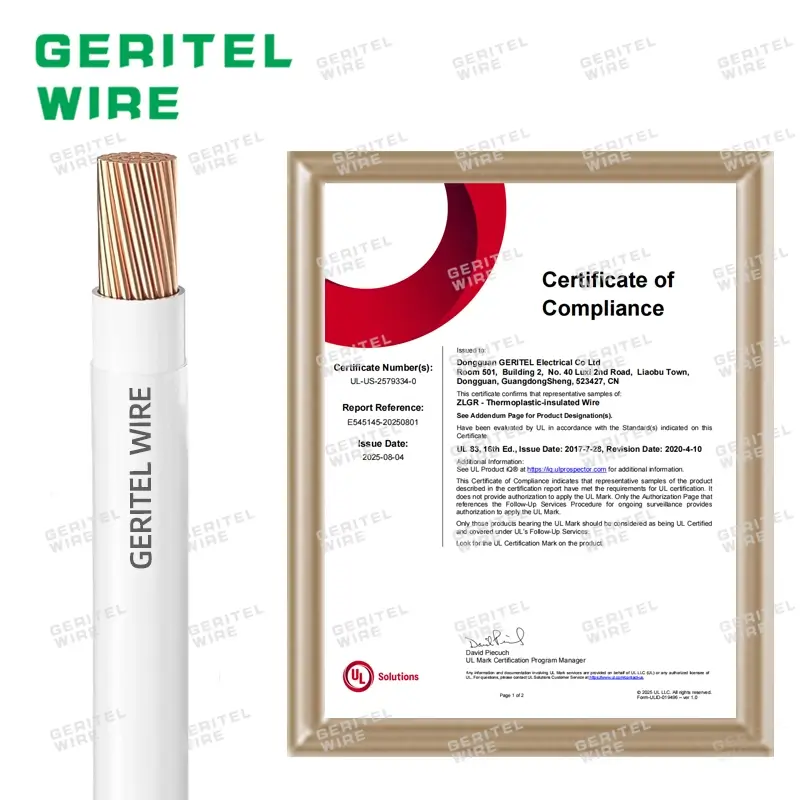
Cables manufactured according to UL83 undergo rigorous testing for insulation performance, temperature resistance, and environmental adaptability, ensuring consistent quality and reliable safety performance, which is essential for projects that require compliance with international standards.
Conclusion: Choose Reliability Over Assumptions
While THHN remains a cost-effective solution for strictly dry environments, its limitations in moist conditions introduce significant long-term risks, whereas THWN-2, with its ability to perform reliably in both wet and dry environments, offers a safer, more flexible, and more future-proof solution, making it the preferred choice for engineers and buyers who prioritize safety, compliance, and lifecycle value over short-term savings.
Conclusion
As electrical systems continue to expand into more complex and moisture-prone environments, the importance of selecting the right cable type becomes increasingly evident, and THHN/THWN-2 cables in moist environments stand out as a dependable solution due to their advanced insulation design, strong moisture resistance, and compliance with international safety standards.
By choosing moisture-resistant THHN cables from a trusted and professional THHN cable supplier, users can not only ensure regulatory compliance and operational safety but also benefit from durable, high-performance solutions that are specifically engineered for challenging conditions.
Contact Us
Dongguan GERITEL Electrical Co., Ltd. offers high-quality XHHW, THHN, and THWN wires, providing reliable and customized solutions for industrial, commercial, and residential projects.
Phone: +86 136 6257 9592
Email: manager01@greaterwire.com
Website: www.greaterwire.com
 5 Key Factors to Consider When Choosing THHN/THWN-2 Cables



 Building 2, No. 40 Luxi 2nd Road, Liaobu Town, Dongguan City, Guangdong Province, China