


 Home
Home5 Key Factors to Consider When Choosing THHN/THWN-2 Cables
 GERITEL
 Mar 25,2026

When you are making a real purchasing decision for an electrical project such as a commercial building distribution system, an industrial production line, or a complex HVAC installation, the choice of cable is no longer a simple comparison of price or availability but becomes a comprehensive evaluation of safety performance, environmental adaptability, installation efficiency, and long-term operational stability, which is exactly why understanding how to correctly select THHN/THWN-2 cables is essential for avoiding costly mistakes and ensuring reliable system performance over time.
1. Start with a Clear Understanding of the Installation Environment
The first and most critical factor in selecting the right cable is to define the actual installation environment in detail, because temperature conditions, moisture exposure, and installation methods will directly determine whether a cable can perform safely and efficiently throughout its service life.
In dry indoor environments such as office buildings, retail complexes, and data centers, THHN UL83 compliant electrical wire is widely used due to its excellent heat resistance and smooth nylon jacket that allows for efficient pulling through conduit systems, which significantly reduces installation time and labor costs.
However, in environments where moisture is present, including underground conduits, outdoor installations, or industrial facilities with high humidity levels, selecting THWN-2 electrical wire UL83 standard becomes essential because it is specifically engineered to maintain a 90°C temperature rating in both wet and dry conditions, thereby ensuring consistent insulation performance and reducing the risk of premature failure.
Ignoring environmental conditions during selection can lead to insulation degradation, increased maintenance costs, and potential safety hazards, which makes this factor the foundation of all subsequent decisions.
2. Understand the Technical Differences Between THHN and THWN-2 Ratings
Although many modern cables are dual-rated as THHN/THWN-2, which provides flexibility in application, it is still necessary to understand the underlying differences in their design and performance characteristics in order to make informed decisions based on specific project requirements.
THHN cables are designed primarily for high-temperature performance in dry environments and typically carry a 90°C rating under dry conditions, while THWN-2 cables are designed to perform reliably in both wet and dry environments with a consistent 90°C rating, which makes them more versatile for projects where environmental conditions may vary or cannot be strictly controlled.
This distinction becomes particularly important in large-scale projects where different sections of the installation may be exposed to varying levels of moisture or temperature, and selecting a dual-rated cable can simplify procurement while ensuring compliance across all application scenarios.
3. Select the Correct Conductor Size Based on Actual Load and Installation Conditions
Choosing the appropriate conductor size is not only about meeting electrical code requirements but also about ensuring that the cable can handle real operating conditions, including continuous loads, peak demand fluctuations, and heat accumulation within conduit systems.
For example, smaller sizes such as 14 AWG to 10 AWG are typically used for lighting circuits and light-duty applications, while medium sizes such as 8 AWG to 2 AWG are commonly used in commercial power distribution and HVAC systems, and larger sizes such as 1/0 AWG and above are required for industrial feeders and high-capacity systems.
When using THHN power wire for conduit use, it is also necessary to consider conduit fill ratios and heat dissipation, because excessive conductor density within a conduit can lead to increased operating temperatures, which in turn reduces the effective ampacity of the cable and accelerates insulation aging.
Failure to properly size the conductor can result in overheating, voltage drop, reduced equipment efficiency, and even system failure, which highlights the importance of aligning cable specifications with real-world operating conditions rather than theoretical calculations alone.
4. Evaluate Insulation Structure and Mechanical Durability
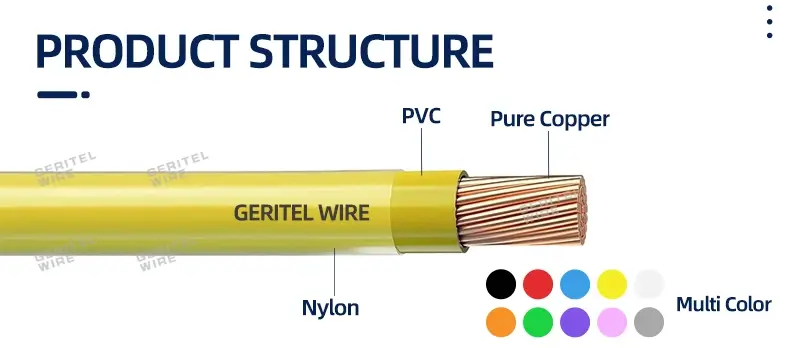
The insulation system of THHN/THWN-2 cables typically consists of PVC insulation combined with a nylon outer jacket, which provides a balanced combination of electrical insulation, mechanical protection, and chemical resistance, making these cables suitable for a wide range of demanding applications.
The PVC layer offers strong dielectric properties and flexibility, while the nylon jacket enhances resistance to abrasion, oil, and chemicals, and reduces friction during installation, which is particularly beneficial in long conduit runs or complex routing scenarios where cable pulling efficiency can significantly impact project timelines.
In industrial environments where cables may be exposed to mechanical stress, vibration, or chemical contaminants, selecting a cable with robust insulation and jacket materials is critical for maintaining long-term reliability and minimizing maintenance requirements.
5. Identify and Avoid the Risks of Incorrect Cable Selection
One of the most overlooked aspects of cable selection is the potential risk associated with incorrect choices, which can have serious consequences not only for system performance but also for safety and regulatory compliance.
Common mistakes include using cables that are not rated for wet environments in moisture-prone areas, selecting conductors with insufficient ampacity for the intended load, or choosing products that do not meet recognized standards such as UL83, all of which can lead to insulation failure, overheating, short circuits, and even fire hazards.
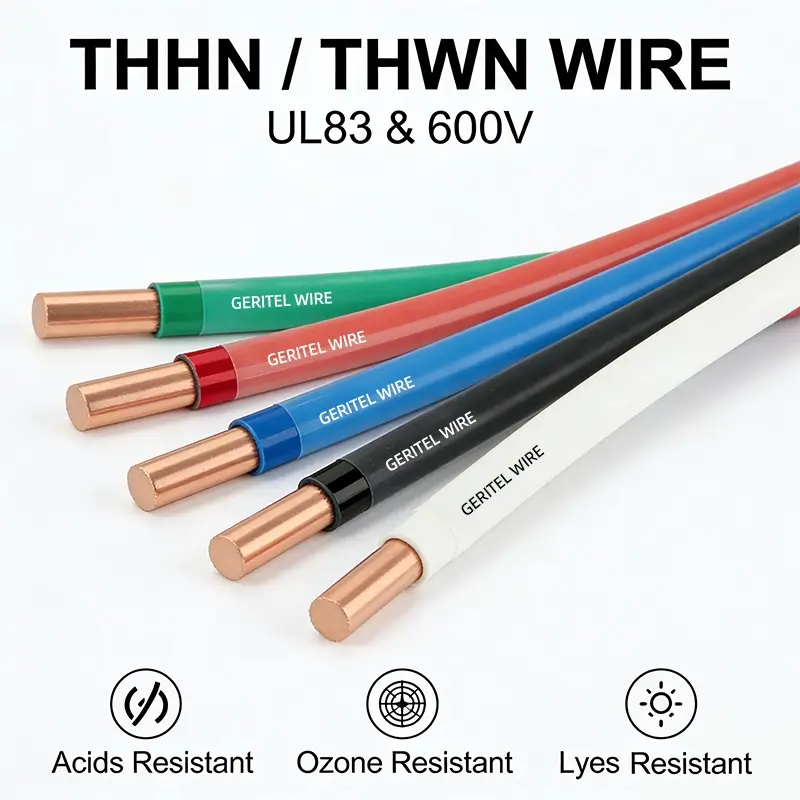
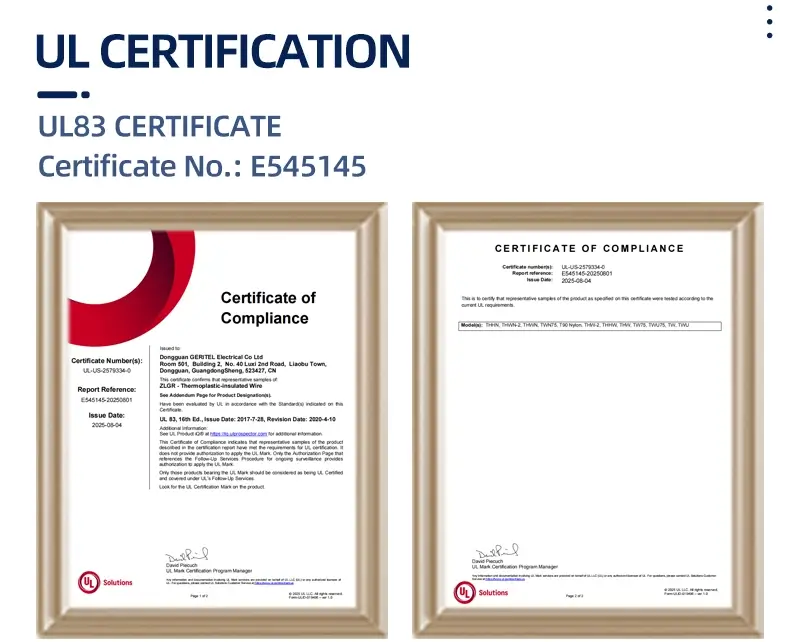
By selecting certified products such as THHN UL83 compliant electrical wire or THWN-2 electrical wire UL83 standard, buyers can ensure that the cables meet established safety and performance benchmarks, thereby reducing the risk of project delays, inspection failures, and long-term operational issues.
Conclusion
Choosing the right THHN/THWN-2 cable requires a comprehensive, scenario-based approach that goes beyond basic specifications and considers environmental conditions, technical ratings, conductor sizing, material durability, and risk management, all of which play a critical role in determining the safety, efficiency, and longevity of an electrical system, and by applying these five key factors in real decision-making scenarios, buyers can significantly improve project outcomes while optimizing both cost and performance.
Conclusion
Choosing the right THHN/THWN-2 cable requires a comprehensive understanding of temperature ratings, insulation materials, environmental conditions, certification standards, and conductor performance, as each of these factors directly influences the safety and durability of electrical systems. By carefully evaluating these five key aspects, professionals can ensure that their selected electrical wire for building applications delivers both compliance and long-term value, especially when sourced from experienced suppliers offering consistent quality and certified products.
Contact us:
If you are evaluating cable options for your next project, feel free to contact us for technical support, datasheets, or a competitive quotation, and let us support your success with reliable, compliant, and cost-effective cable solutions.
Dongguan GERITEL Electrical Co., Ltd.
Tel / WhatsApp / WeChat: +86 135 1078 4550 / +86 136 6257 9592
Email: manager01@greaterwire.com
Website: www.greaterwire.com
 Performance and Lifespan of UL83 THHN/THWN-2 Cables: A Complete Review



 Building 2, No. 40 Luxi 2nd Road, Liaobu Town, Dongguan City, Guangdong Province, China