


 Home
HomePerformance and Lifespan of UL83 THHN/THWN-2 Cables: A Complete Review
 GERITEL
 Mar 25,2026

For engineers, project managers, and facility decision-makers who prioritize not only the immediate functionality but also the long-term reliability and cost-effectiveness of their electrical systems, understanding the expected lifespan of UL83 THHN/THWN-2 cables, the environmental and operational factors that can shorten this lifespan, and the practical strategies to extend it is essential, because selecting the wrong type of cable, undersizing the conductor, or installing in inappropriate conditions can result in premature insulation degradation, increased maintenance costs, and even safety hazards, which ultimately compromise both the efficiency and safety of the building or industrial facility.
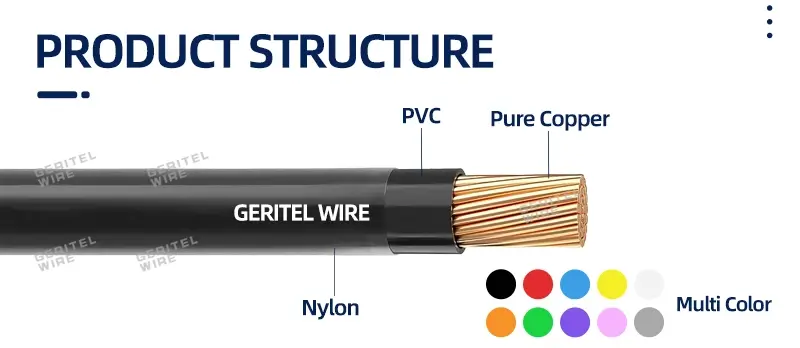
Under standard operating conditions and proper installation, THHN conductor building electrical cables installed in dry commercial buildings typically have an expected service life of approximately 40 to 50 years, as their high-heat-resistant thermoplastic insulation is specifically designed to withstand long-term exposure to normal operating temperatures, occasional mechanical stress, and routine environmental variations, whereas THWN-2 copper cable PVC insulation, while slightly more susceptible to harsh chemical exposure in industrial or outdoor environments, still offers a reliable service life of 30 to 40 years due to its dual-rated wet and dry insulation, making it an ideal choice for factory floors, outdoor conduit systems, and high-humidity areas where consistent electrical performance is required to avoid costly downtime.
Factors That Can Shorten Cable Lifespan
However, several factors can significantly shorten the lifespan of these UL83 cables, and clients should be acutely aware of them to protect their investments: continuous operation above the specified temperature rating can accelerate thermal degradation of the insulation, improper use of THHN in wet or chemically aggressive environments can lead to moisture absorption and insulation cracking, mechanical damage caused by tight bends, sharp edges, or excessive compression during installation can compromise both the conductor and insulation integrity, electrical overloading beyond the rated current can cause overheating and accelerate aging, and prolonged exposure to ultraviolet light in outdoor installations can induce PVC brittleness and surface cracking if not properly shielded, all of which cumulatively reduce cable lifespan and increase operational risk.
Strategies to Extend Lifespan and Maximize ROI
To maximize the longevity of UL83 THHN/THWN-2 cables and ensure that electrical infrastructure continues to operate efficiently and safely for decades, clients are advised to select the cable type that precisely matches the installation environment, ensuring THHN for dry commercial conduit applications and THWN-2 for wet or outdoor industrial applications, choose appropriate conductor sizes that provide adequate current-carrying capacity with a safety margin to prevent overheating, adhere strictly to installation best practices such as maintaining proper bend radii, avoiding compression and sharp edges, providing protective conduits or sleeves in mechanically or chemically aggressive areas, controlling load conditions to avoid sustained overcurrent situations, and implement routine inspection and maintenance programs including surface checks and insulation resistance testing, all of which collectively safeguard the investment, reduce the risk of unplanned maintenance, and provide peace of mind that the facility’s electrical system will perform reliably throughout its expected lifespan.
Achieving Safety, Compliance, and Long-Term Performance
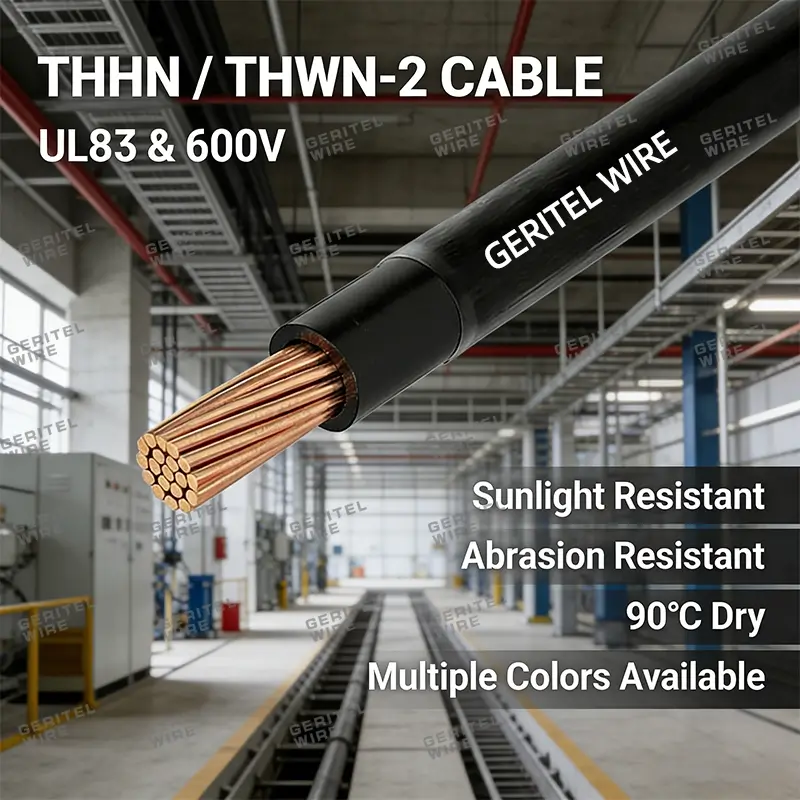
By taking these precautions and selecting THHN conductor building electrical or THWN-2 copper cable PVC insulation based on actual environmental and operational conditions, clients not only ensure compliance with UL83 standards and relevant electrical codes but also achieve a balance between upfront installation costs and long-term operational efficiency, demonstrating prudent decision-making that prioritizes safety, reliability, and cost-effective performance over decades of use.
Conclusion
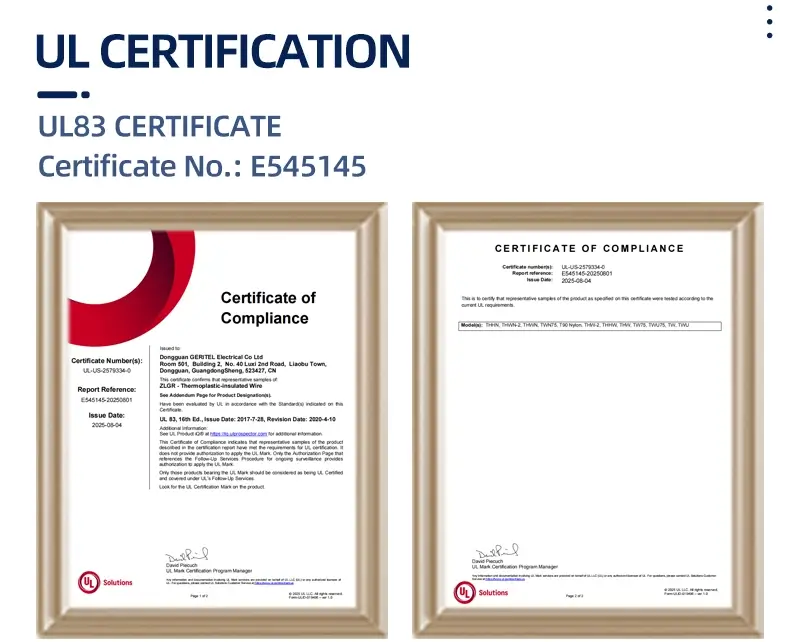
The performance and lifespan of UL83 THHN/THWN-2 cables are the result of a carefully engineered balance between conductivity, thermal resistance, moisture protection, and mechanical durability, all of which are essential for modern electrical systems that demand long-term reliability and safety. By understanding the key factors that influence THHN/THWN-2 cable lifespan and implementing best practices in selection and installation, professionals can significantly enhance system performance while reducing maintenance costs.
At the same time, choosing UL83 certified THHN cables from an experienced and professional electrical cable supplier ensures not only compliance with international standards but also consistent product quality, making these cables a dependable solution for commercial, industrial, and infrastructure projects.
Contact us:
Dongguan GERITEL Electrical Co., Ltd.
Email: manager01@greaterwire.com
Tel/WhatsApp/WeChat: +86 135 1078 4550 / +86 136 6257 9592
Feel free to contact us for compliant, high-quality THHN / THWN-2 cables solutions tailored to your project needs.
 Technology Trends and Innovations in UL83 THHN/THWN-2 Cables



 Building 2, No. 40 Luxi 2nd Road, Liaobu Town, Dongguan City, Guangdong Province, China