


 Home
HomeInstallation Tips and Safety Guidelines for THHN/THWN-2 Cables
 GERITEL
 Mar 27,2026

When customers search for THHN wire for conduit installation/THWN-2 wire for outdoor installation cables, they are not simply looking for a standard building wire, but rather seeking a reliable, compliant, and long-term electrical solution that can perform consistently across complex installation environments, and it is precisely in this context that THHN/THWN-2 has become a preferred choice among engineers, contractors, and procurement professionals who prioritize both performance and risk control.
Why THHN/THWN-2 Is a More Reliable Engineering Choice
In real-world projects, the complexity of cable selection often arises from the need to match different environmental conditions with specific performance requirements, and THHN/THWN-2, as a dual-rated conductor capable of operating in both dry and wet locations with a consistent 90°C temperature rating, allows decision-makers to avoid switching between multiple cable types, thereby significantly reducing the likelihood of specification errors while increasing system flexibility and design tolerance.
Furthermore, when a project involves indoor distribution, industrial control systems, and outdoor conduit runs simultaneously, choosing THHN/THWN-2 not only simplifies inventory management but also ensures consistency during future maintenance and expansion, which ultimately translates into a more stable and predictable long-term investment.
Matching Installation Environment with Cable Performance
In any electrical system, a mismatch between cable properties and installation conditions may not cause immediate failure, but it will inevitably lead to insulation degradation, reduced performance, or even safety hazards over time, and thanks to its moisture-resistant THWN-2 rating, this cable can maintain stable insulation integrity in underground installations, outdoor conduits, and high-humidity environments, while still delivering efficient performance in dry indoor conditions, making it a highly adaptable solution across multiple scenarios.
From a buyer’s perspective, this adaptability means fewer specification errors, reduced replacement costs, and greater confidence in system reliability over the lifecycle of the project.
Conduit Compatibility Directly Impacts Cable Lifespan
In practice, cables are always part of a broader installation system, and their durability depends heavily on the conduit used to protect them, which is why selecting PVC conduit for wet or underground environments, or EMT and rigid metal conduit for indoor applications, is essential to prevent moisture ingress, mechanical damage, and long-term insulation failure, and when THHN wire for conduit installation or THWN-2 cables are paired with the appropriate conduit system, they form a fully protected electrical pathway that significantly enhances operational lifespan.
For project owners and contractors, this system-level compatibility reduces maintenance frequency and lowers total cost of ownership.
Proper Installation Ensures You Get Full Performance Value
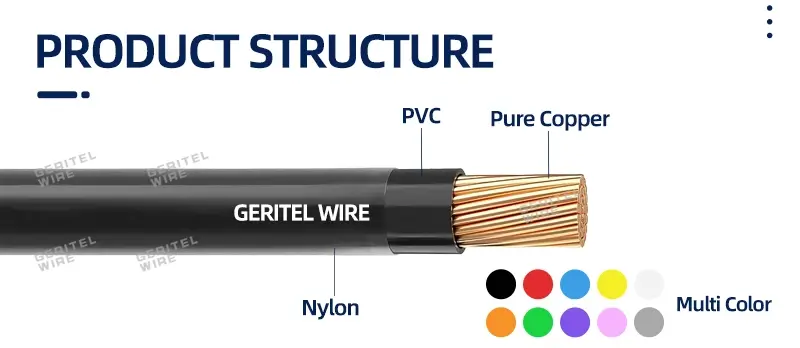
Although THHN/THWN-2 cables are designed with durable thermoplastic insulation and a պաշտպանive nylon jacket that offers strong resistance to heat, moisture, and abrasion, improper installation practices such as exceeding the recommended bending radius, applying excessive pulling tension, or neglecting lubrication during long conduit runs can introduce microscopic damage to the insulation, which may not be immediately visible but can gradually evolve into serious failures under continuous electrical load.
Therefore, professional installation is not just a procedural requirement, but a critical factor in ensuring that the cable delivers the performance and longevity that customers expect.
Ampacity Planning Must Reflect Real Operating Conditions
While THHN/THWN-2 cables feature a high 90°C temperature rating that theoretically allows for higher ampacity, actual performance depends on installation conditions such as conductor bundling, ambient temperature, and heat dissipation within conduits, and failure to properly derate ampacity under these real-world constraints can result in continuous overheating, accelerated insulation aging, and ultimately reduced system reliability, whereas the higher performance margin of THHN/THWN-2 provides engineers with greater flexibility to design systems that remain stable even under demanding conditions.
This makes it an ideal choice for projects where future load expansion is anticipated.
Safety Performance Depends on Both Material and Application
From a structural standpoint, THHN/THWN-2 cables offer excellent protection through their heat-resistant, moisture-resistant, and abrasion-resistant insulation layers, but true electrical safety is achieved only when these material advantages are combined with proper installation verification processes, including insulation resistance testing, grounding checks, and post-installation inspections, as overlooking any of these steps can turn minor issues into major operational or safety risks.
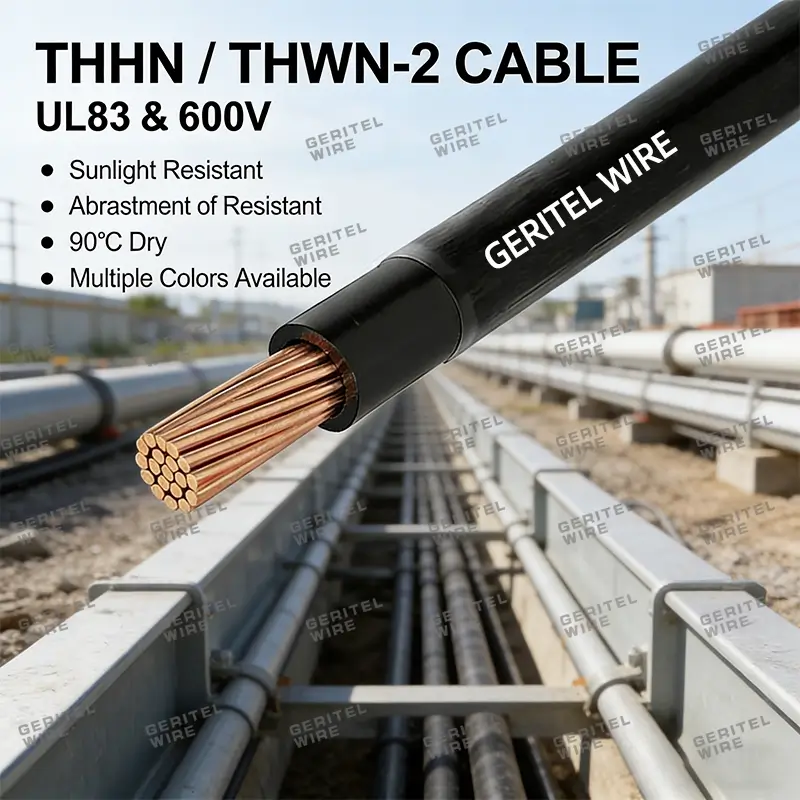
This is why professionals consistently favor THHN/THWN-2 for critical applications.
Risk Warning: The Hidden Cost of Wrong Cable Choices
In many cases, the consequences of incorrect cable selection or poor installation do not appear immediately but develop over time, and issues such as insufficient ampacity leading to overheating, improper environmental matching causing insulation failure, or moisture exposure resulting in leakage and short circuits can escalate into system downtime, equipment damage, and even fire hazards, all of which significantly increase project costs and liability risks.
Choosing THHN/THWN-2 is, in essence, a proactive step toward minimizing these risks through a proven and versatile solution.
Why Working with a Professional Supplier Matters
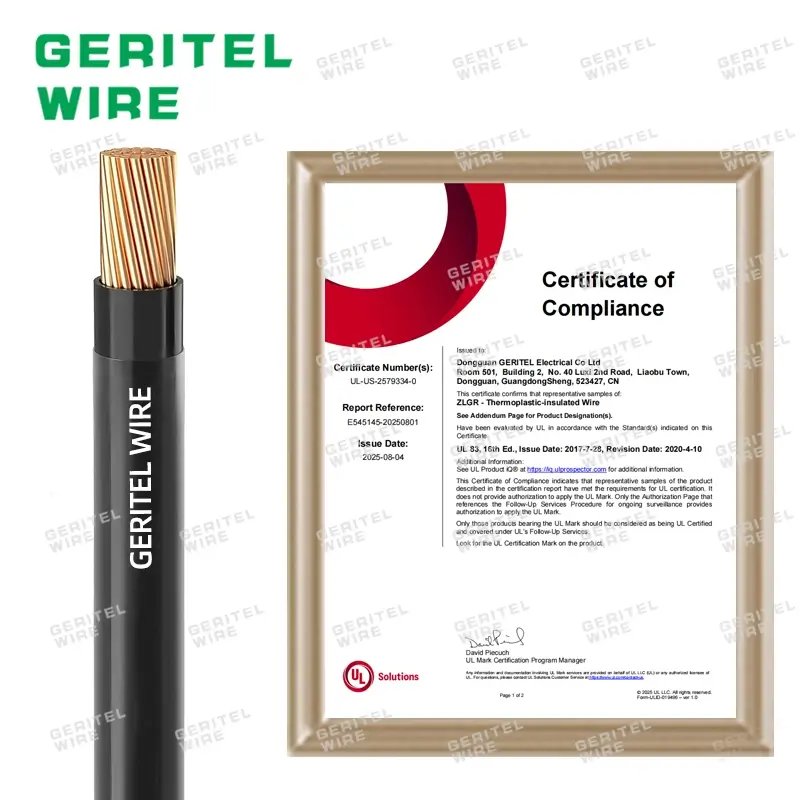
Not all THHN/THWN-2 cables are manufactured to the same quality standards, and partnering with a certified and experienced supplier ensures consistent conductor quality, reliable insulation performance, accurate specifications, and access to technical support that can guide proper selection and installation, ultimately reducing uncertainty and improving overall project success rates.
For buyers, this translates into greater confidence and fewer unexpected issues.
Conclusion: A Smarter and Safer Investment for Your Project
Overall, THHN/THWN-2 cables have become a standard choice in modern electrical installations not only because of their ability to operate in both dry and wet environments, but also because when properly specified and installed, they provide a balanced combination of safety, flexibility, and long-term reliability that helps project stakeholders achieve better performance with lower risk.
If you are currently evaluating cable options and are unsure about the appropriate type, size, or installation method, sharing your project requirements—such as load conditions, environmental factors, and installation setup—will allow for a more precise recommendation, ensuring that your THHN/THWN-2 selection is optimized from the very beginning.
Dongguan GERITEL Electrical Co., Ltd. supplies high-quality UL83 rated THHN and THWN-2 cables, providing safe, reliable, and durable solutions for industrial power distribution, HVAC, and machinery applications.
Contact Us
Tel/Wechat/WhatsApp: +86 136 6257 9592
Email: manager01@greaterwire.com
Website: www.greaterwire.com
 Importance of THHN/THWN-2 Cables in Future Building Electrical Systems



 Building 2, No. 40 Luxi 2nd Road, Liaobu Town, Dongguan City, Guangdong Province, China