


 Home
HomeImportance of THHN/THWN-2 Cables in Future Building Electrical Systems
 GERITEL
 Mar 27,2026

In an era where buildings are rapidly evolving into intelligent, energy-intensive ecosystems that integrate smart automation, renewable energy sources, and increasingly complex electrical loads, the selection of electrical wiring is no longer a routine procurement task but a critical engineering decision that directly impacts system safety, operational efficiency, and long-term reliability, which is precisely why THHN/THWN-2 cables are becoming a preferred solution for developers, contractors, and engineers who aim to build future-ready electrical infrastructures.
Built for High-Load, High-Temperature Applications
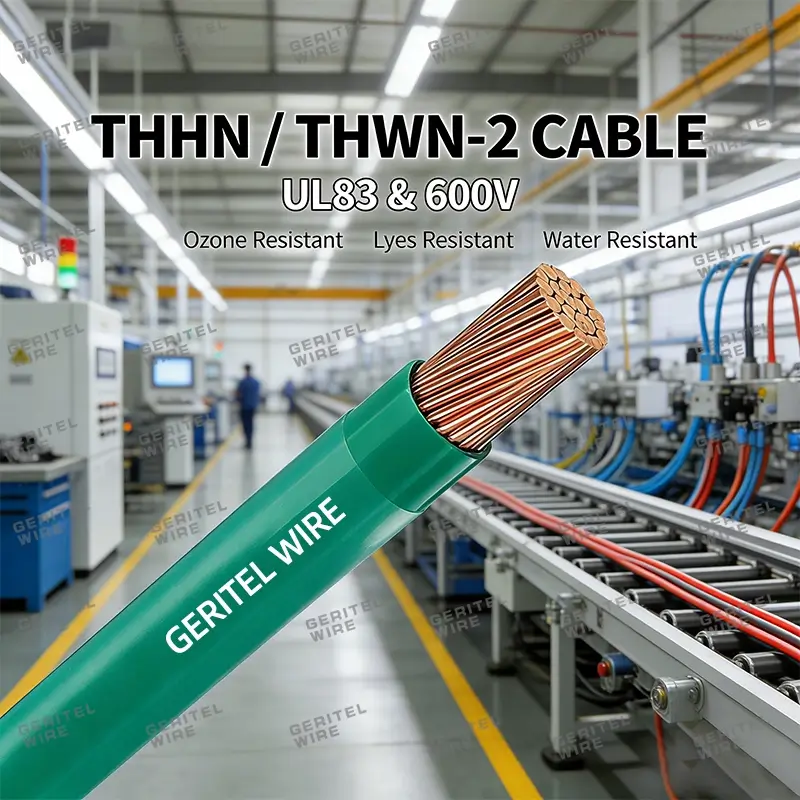
As modern buildings incorporate demanding systems such as centralized HVAC, data centers, advanced lighting controls, and electric vehicle charging infrastructure, the electrical network must consistently operate under elevated thermal and load conditions, and THHN copper wire high temp rating/THWN copper conductor building wire, with their 90°C rating in both dry and wet environments, enable higher ampacity while maintaining insulation stability, allowing engineers to design more compact conduit systems without compromising safety, which ultimately improves both space utilization and system performance.
A Unified Solution Across Multiple Environments
In complex construction projects where electrical systems must transition between indoor dry locations, outdoor exposed conditions, and underground or moisture-prone environments, using different cable types can significantly increase design complexity and the risk of installation errors, whereas THHN/THWN-2 copper conductor nylon cables , thanks to their dual rating, can be applied across these varying conditions with a single specification, simplifying material management, reducing procurement challenges, and minimizing the likelihood of costly mistakes during installation.
Minimizing Risk Through Reliable Insulation Performance
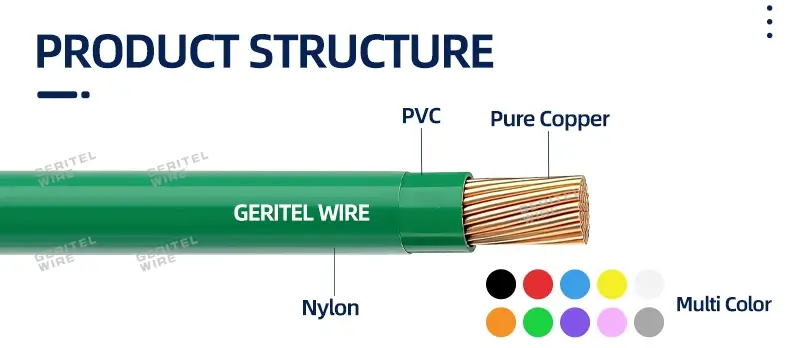
From a risk management perspective, the durability and resilience of cable insulation are fundamental to ensuring long-term system stability, and THHN/THWN-2 cables, which feature thermoplastic insulation combined with a nylon jacket, offer excellent resistance to abrasion, chemicals, moisture, and thermal aging, ensuring that the cable maintains its integrity even in demanding environments, while selecting an unsuitable cable type—such as one not rated for wet conditions—can lead to insulation degradation, short circuits, unexpected downtime, and even fire hazards that jeopardize both safety and project profitability.
Supporting Energy Efficiency and Sustainable Development
As sustainability becomes a central focus in modern construction, electrical systems are expected to contribute to energy efficiency and reduced environmental impact, and THHN/THWN-2 cables, due to their low electrical resistance and stable conductivity, help minimize energy loss during power transmission, while their long service life reduces the need for frequent replacements, making them particularly suitable for green buildings, renewable energy systems, and projects aiming for higher energy performance standards.
Enabling Smart Building Infrastructure
With the rise of IoT-enabled devices, automation systems, and real-time data-driven building management, the reliability of power distribution becomes increasingly critical, and THHN/THWN-2 cables provide the consistent and stable electrical performance required to support sensitive systems such as smart controls, security networks, and communication infrastructure, ensuring uninterrupted operation and reducing the risk of system failures in highly integrated environments.
Lower Lifecycle Costs and Higher ROI
Although initial material costs are often a key consideration, experienced decision-makers understand that the true cost of an electrical system is measured over its entire lifecycle, and by choosing THHN/THWN-2 cables, which are designed for durability, ease of installation, and minimal maintenance, projects can significantly reduce long-term expenses related to repairs, replacements, and downtime, ultimately achieving a higher return on investment and greater operational stability.
Conclusion: A Strategic Choice for Future-Proof Systems
As building technologies continue to advance and performance expectations increase, THHN/THWN-2 cables stand out as a reliable and versatile solution that meets the demands of modern electrical systems, offering a balanced combination of thermal performance, environmental adaptability, safety, and cost efficiency, making them an ideal choice for projects that require both immediate reliability and long-term scalability.
If you are planning a new project or upgrading an existing electrical system, selecting the correct cable type and specification is essential, and working with a qualified supplier who can provide certified, high-quality THHN/THWN-2 cables tailored to your specific load requirements and installation conditions will help ensure optimal performance while avoiding costly mistakes.
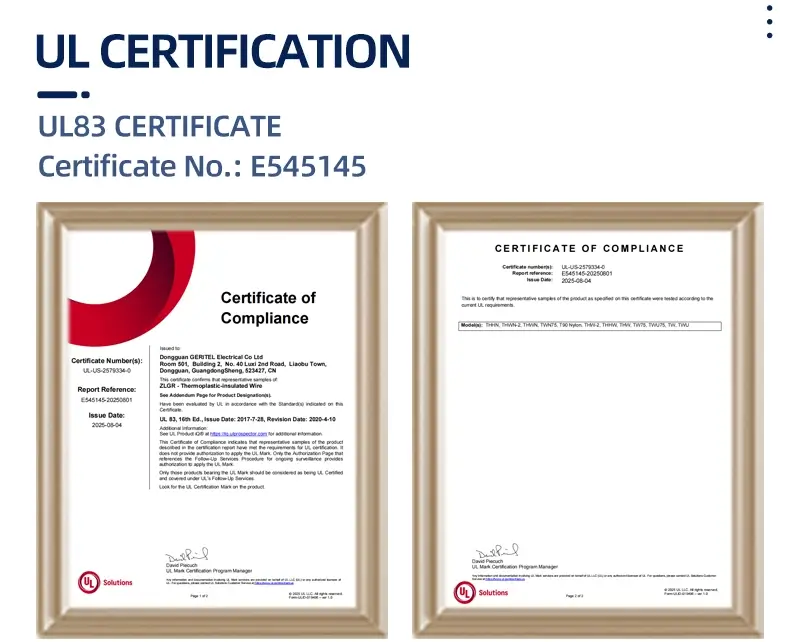
Contact our team today to learn more about our UL83 THHN/THWN-2 cable options, get a custom quote for your project, or find the perfect cable specification for your outdoor wiring needs. Let’s make your next outdoor electrical project built to last!
Dongguan GERITEL Electrical Co., Ltd. supplies high-quality UL83 rated THHN and THWN-2 cables, providing safe, reliable, and durable solutions for industrial power distribution, HVAC, and machinery applications.
Contact Us
Tel/Wechat/WhatsApp: +86 136 6257 9592
Email: manager01@greaterwire.com
Website: www.greaterwire.com
 THHN vs THWN Cable Explained: A Quick Buyer's Guide



 Building 2, No. 40 Luxi 2nd Road, Liaobu Town, Dongguan City, Guangdong Province, China