


 Home
HomeIndustrial Wiring Best Practices for Safer and More Efficient Facilities
 GERITEL
 Jun 11,2026

According to the National Fire Protection Association (NFPA), 60% of industrial electrical fires trace back to improper Industrial Wiring and Electrical Installation practices. Worse, unplanned downtime from electrical failures costs U.S. manufacturing facilities an estimated $50 billion annually—with average losses exceeding $100,000 per hour for continuous production lines. For electrical contractors, facility managers, and industrial plant engineers, the stakes could not be higher: poor Industrial Wiring doesn’t just create catastrophic safety hazards; it cripples productivity, exposes businesses to crippling compliance penalties, and erodes profit margins. This guide breaks down actionable, NEC-aligned wiring practices that prioritize safety, minimize downtime, and future-proof your manufacturing plant or commercial office building, with a focus on cable selection that solves the industry’s most persistent pain points.
1. The Hidden Costs of Cutting Corners in Industrial Wiring
Too many facilities view Industrial Wiring as a commodity expense rather than a critical infrastructure investment. This mindset leads to costly shortcuts that create three interconnected problems.
· Safety Risks That Can Shut Down Your Operation
Arc flashes and electrical fires are the most visible dangers of substandard wiring, but even minor faults can lead to worker injuries and OSHA fines that reach into six figures. A single electrical incident can result in facility shutdowns lasting weeks while investigations are completed and repairs are made.
· Compliance Headaches and NEC Violations
Non-compliance with National Electrical Code (NEC) standards is one of the most common findings during industrial facility inspections. Many contractors and managers are unaware that NEC requirements are updated every three years, and local jurisdictions may adopt additional amendments. A failed inspection can delay project completion by months and result in substantial fines.
· Unplanned Downtime That Eats Into Profits
Even when faulty wiring doesn’t cause a safety incident, it often leads to intermittent equipment failures that disrupt production. These "mystery" outages are particularly costly because they are difficult to diagnose, requiring technicians to trace miles of unlabeled, poorly organized wiring to find the root cause.
2. Core Industrial Wiring Best Practices for Modern Facilities
Implementing these proven practices will help you create an Industrial Electrical System that is safe, compliant, and reliable for years to come.
· Design for Safety and Scalability First
Always design your Industrial Electrical System with 20-30% extra capacity to accommodate future equipment additions. This avoids the common problem of overloading circuits as your facility grows. Additionally, implement strict Cable Management to prevent electromagnetic interference between power cables and data lines, which can cause equipment malfunctions and data loss.
· Follow NEC Standards for Every Installation Step
Proper grounding and bonding are non-negotiable for Industrial Electrical Systems. Always use a dedicated insulated green ground conductor for all circuits, and ensure all metal enclosures and equipment are properly bonded to the grounding system. Wire sizing must be based on both the maximum load current and the voltage drop over the length of the run, not just the load alone.
· Implement a Proactive Cable Management System
Cable trays are the gold standard for industrial Cable Management, providing organized, accessible routing that simplifies troubleshooting and future modifications. Label every circuit and cable at both ends with a unique identifier, and maintain accurate as-built drawings that reflect all changes to the system.
3. Why UL-Listed TC-ER Cable Is the Best Choice for Industrial Wiring
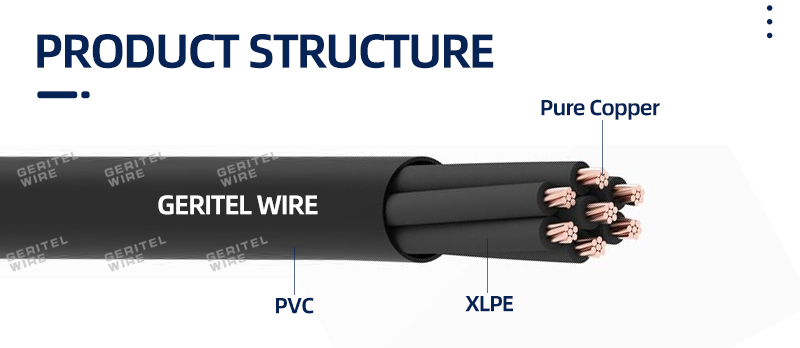
When it comes to industrial cable selection, UL-listed TC-ER (Tray Cable-Exposed Run) cable addresses all three of the core pain points we identified earlier: safety, compliance, and reliability.
· How TC-ER Cable Solves Your Biggest Wiring Challenges
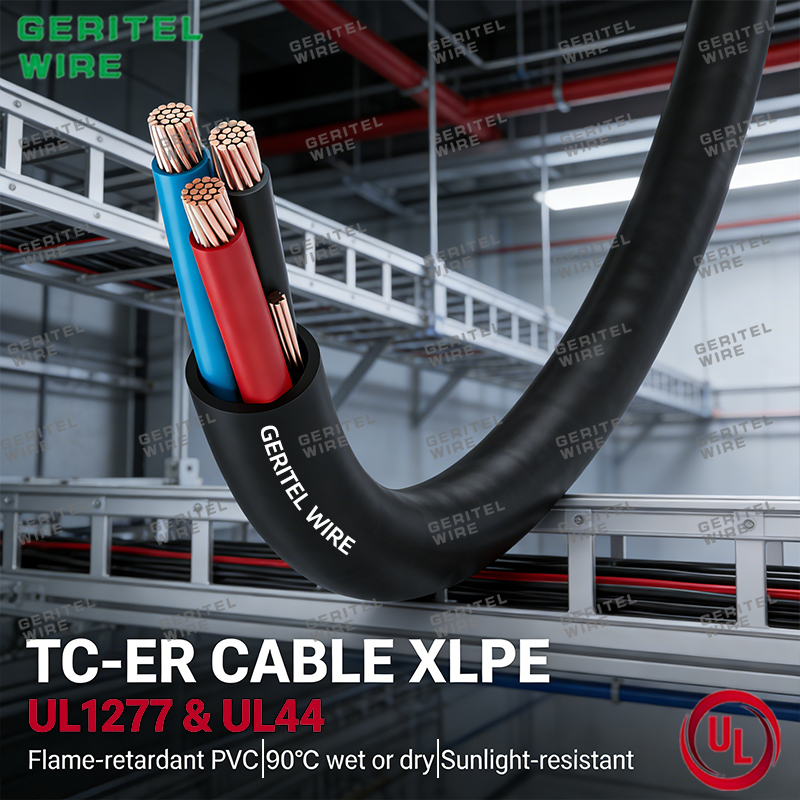
TC-ER cable certified to UL44 and UL1277 standards offers exceptional performance in industrial environments. Its flame-retardant PVC jacket and self-extinguishing properties significantly reduce fire risk, while its rugged construction resists abrasion, impact, and chemical exposure. Unlike traditional THHN/THWN-2 wire, which requires conduit for protection in exposed runs, TC-ER cable can be installed directly in cable trays without additional protection, reducing installation time and labor costs by up to 40%.
· Choosing the Right TC-ER Cable for Your Application
600V TC-ER cable: The workhorse of Industrial Wiring, ideal for general power and control circuits in manufacturing plants and commercial buildings. Available in 3/C and 4/C configurations with bare ground or insulated green ground conductors.
1000V TC-ER cable: Designed for heavy-duty applications with higher voltage requirements, such as large motors, transformers, and industrial machinery.
For many industrial applications, aluminum conductor TC-ER cable offers an excellent balance of performance and cost. Aluminum conductors are significantly lighter than copper, making them easier to install, and they provide excellent electrical conductivity for long-distance runs. For outdoor installations, choose a UV resistant tray cable variant that is specifically formulated to withstand prolonged exposure to sunlight.
· Key Construction Features That Make TC-ER Cable Superior
Premium TC-ER cable features an aluminum interlocked armor that provides additional mechanical protection against crushing and impact damage. This armor is bonded to the PVC jacket, creating a single, rugged cable that can withstand the harsh conditions of industrial environments. For applications requiring even greater protection, galvanized steel armor is also available.
4. Critical Selection Tips to Avoid Costly Mistakes
These simple but often overlooked tips will help you select the right cable for your project and avoid costly rework.
First, always verify the NEC requirements for your specific location. NEC standards are adopted at the state and local level, and some jurisdictions may have additional requirements that go beyond the national code. Confirm the latest code revisions before starting any project to ensure compliance.
Second, match the cable specifications exactly to your application needs. Never use a cable with a lower voltage rating than required—600V cable cannot be used for 1000V applications under any circumstances. Consider both the initial cost and the long-term performance when choosing between aluminum and copper conductors. For long runs, aluminum is almost always the more cost-effective choice.
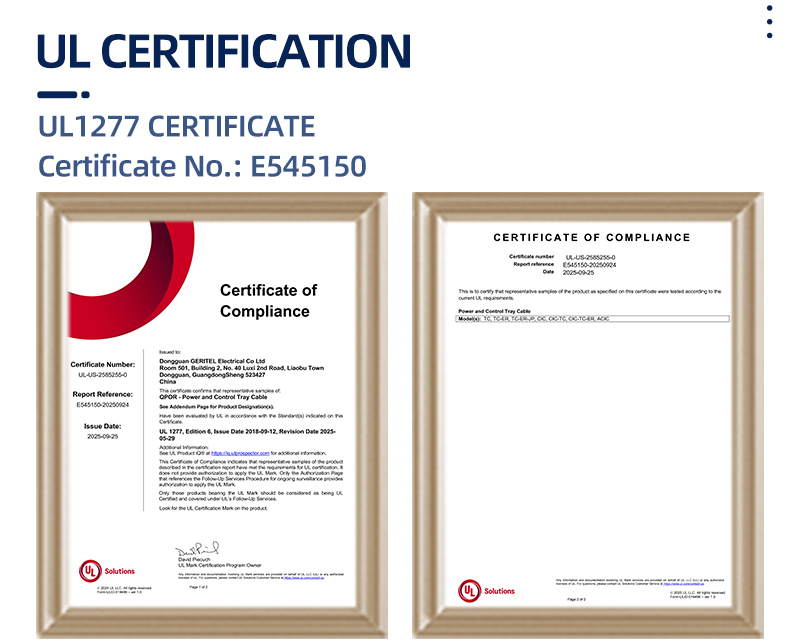
Finally, partner with a reputable OEM TC-ER cable supplier with more than 20 years of production experience. Look for suppliers that provide full documentation of all UL certifications and can offer technical support throughout your project.
5. FAQs About Industrial Wiring Best Practices
Q: What is the difference between TC and TC-ER cable?
A: Standard TC cable is designed for installation in cable trays only. TC-ER cable meets additional performance requirements that allow it to be used in exposed runs between cable trays and equipment, eliminating the need for conduit in these sections.
Q: Can TC-ER cable be used outdoors?
A: Yes, UV resistant tray cable variants are specifically designed for outdoor installations where they will be exposed to sunlight. Always verify that the cable you select is rated for outdoor use.
Q: How often should industrial wiring be inspected?
A: The NEC recommends that Industrial Electrical Systems be inspected at least every three years. Facilities with harsh operating conditions or heavy equipment usage should have inspections performed annually.
Q: What is the maximum voltage rating for TC-ER cable?
A: TC-ER cable is available in both 600V and 1000V ratings to suit different industrial applications.
6. Conclusion
Proper Industrial Wiring is not an expense—it is an investment in the safety, efficiency, and long-term success of your facility. By following NEC-aligned best practices and selecting high-quality, UL-listed TC-ER cable, you can significantly reduce the risk of safety incidents, avoid costly compliance penalties, and minimize unplanned downtime.
If you need help selecting the right Industrial Wiring solutions for your manufacturing plant or commercial office building, our team of cable experts is here to assist. Contact us today to discuss your specific requirements and receive a customized recommendation.
Dongguan GERITEL Electrical Co., Ltd.
Tel/WhatsApp/Wechat: +86 136 6257 9592
Tel/WhatsApp/Wechat: +86 135 1078 4550
Email: manager01@greaterwire.com
Website: www.geritelgroup.com
 How Factory Automation Cable Supports Smart Manufacturing and Industry 4.0



 Building 2, No. 40 Luxi 2nd Road, Liaobu Town, Dongguan City, Guangdong Province, China