


 Home
HomeCan XHHW-2 Wire Be Used in Underground Electrical Conduit Systems?
 GERITEL
 Jul 09,2026

You have a project that requires running power underground. Maybe it is a feeder to an outbuilding, a line to outdoor equipment, or a service entrance from the utility. You know XHHW-2 is a good wire—heat-resistant, moisture-resistant, durable. But can it go underground?
The short answer is yes. XHHW-2 wire is suitable for underground installations under specific conditions. It is rated 90°C in both wet and dry locations, making it inherently more suitable for underground use than wires with lower wet location ratings. However, the installation method—conduit or direct burial—depends on the specific cable construction and local code requirements.
This article covers the requirements for installing XHHW-2 underground, including conduit types, direct burial considerations, depth requirements, and best practices.
1. Why XHHW-2 Is Rated for Underground Use
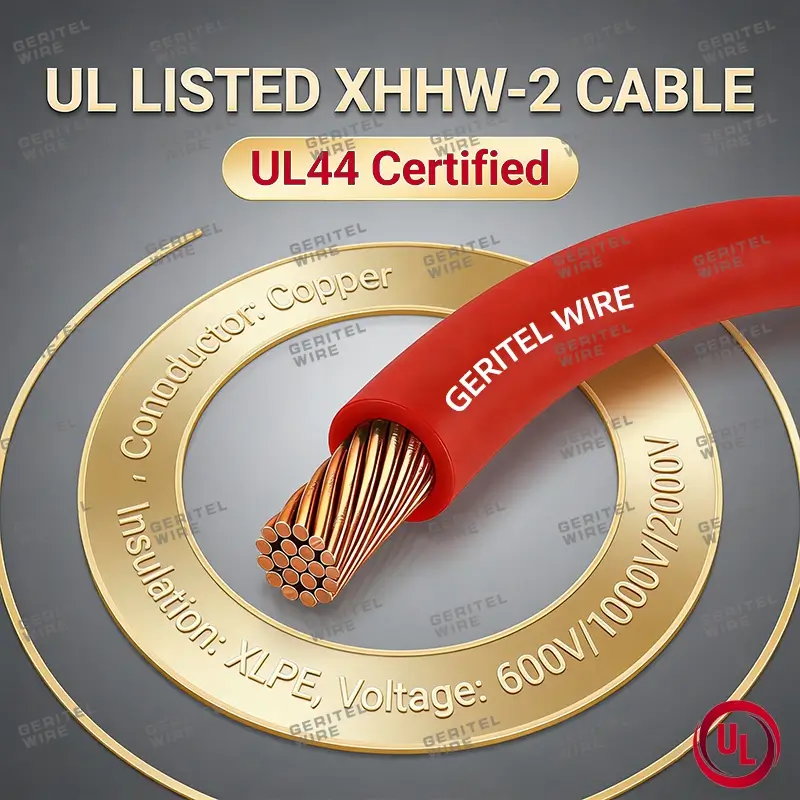
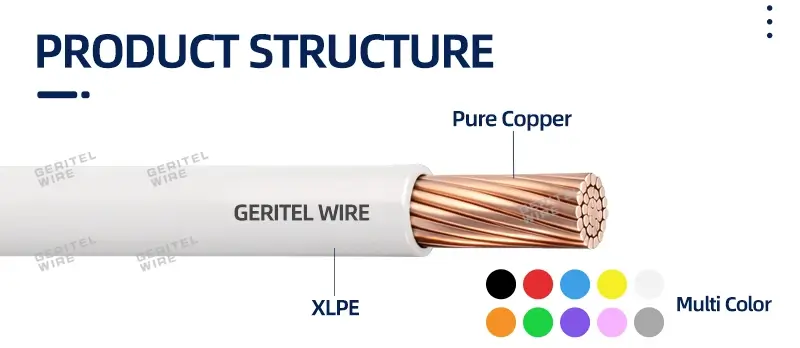
XHHW-2’s suitability for underground installations comes from its insulation properties. The XLPE (cross-linked polyethylene) insulation is a thermoset material that provides:
- 90°C wet/dry rating. XHHW-2 maintains full ampacity in wet locations. This is critical for underground conduits where moisture is always present. Standard XHHW, by comparison, drops to 75°C in wet locations.
- Low moisture absorption. XLPE does not absorb water like some other insulation materials, preventing degradation from the inside out.
- Chemical and abrasion resistance. Underground soil contains chemicals, rocks, and other hazards that can damage lesser insulations.
- Temperature stability. XHHW-2 operates reliably from -40°C to 90°C, handling freeze-thaw cycles without cracking.
- NEC compliance. The National Electrical Code permits XHHW-2 conductors in wet locations. NEC Article 310.10(C) lists XHHW-2 as an approved conductor type for wet locations, which includes underground installations.
For underground XHHW-2 wire installations, this wet location rating is the foundation. Without it, the wire simply would not be suitable for underground use.
2. Two Installation Methods: Conduit vs. Direct Burial
XHHW-2 can be installed underground in two ways.
Conduit installation. Individual XHHW-2 conductors are pulled through conduit buried underground. This is the most common method for commercial and industrial applications. It provides protection against moisture, soil conditions, and physical damage, and allows wire replacement without excavation.
Direct burial. Some XHHW-2 cable constructions are rated for direct burial—meaning they can be buried directly in the ground without conduit. However, this requires specific cable constructions with additional mechanical protection. Not all XHHW-2 is rated for direct burial.
Conduit is generally preferred. For XHHW-2 wire underground conduit requirements, conduit provides the best protection. Even when using direct burial-rated cable, many contractors choose conduit in areas prone to physical damage or rocky soil.
XHHW-2 direct burial cable NEC requirements state that direct-burial assemblies must be listed for that use and installed with required cover and marking per NEC 300.5(A).
3. Conduit Selection for Underground XHHW-2
The choice of conduit affects installation ease and long-term reliability.
- PVC conduit. This is the most common choice for underground runs. Schedule 40 is standard; Schedule 80 provides extra crush resistance. EMT metal conduits are prohibited for underground use.
- Rigid metal conduit (RMC). RMC offers excellent mechanical protection for areas where physical damage is a concern. In corrosive soil, PVC-coated RMC provides additional protection.
- HDPE conduit. High-density polyethylene conduit is also used for underground installations, particularly in directional drilling applications.
- Conduit sealing. Underground conduits collect water. Proper sealing at joints and terminations is essential. Use waterproof compounds and fittings rated for underground use.
- Bend radius. For XHHW-2 underground installations, the conduit inner diameter should be at least 6 times the cable outer diameter.
4. Burial Depth Requirements
Burial depth is a critical safety and compliance factor. NEC Article 300.5 specifies minimum burial depths.
Minimum cover requirements (NEC Table 300.5):
| Installation Type |
Minimum Depth |
| Residential PVC conduit (dwelling) | 18 inches |
| Residential direct burial | 24 inches |
| Commercial PVC conduit | 24-36 inches |
| Under driveways or roads | 18-24 inches (check local codes) |
| Rigid metal conduit | 6 inches |
Key notes on burial depth:
- For residential 15A or 20A branch circuits at 120V or less with GFCI protection, burial depth may be reduced to 12 inches
- Areas subject to vehicular traffic require additional cover depth
- Local codes may require deeper burial than the NEC minimum
- Warning ribbon should be placed in the trench at least 12 inches above buried cable
For XHHW-2 burial depth for electrical conduit, the table above provides general guidance. Always check with local authorities—many jurisdictions have specific requirements for soil type, frost line, and other conditions.
XHHW-2 direct burial cable NEC requirements specify that direct-buried cables must have 24 inches of cover for residential applications and 24-36 inches for commercial zones.
5. Three XHHW-2 Sizes for Underground Applications
Different underground projects require different wire sizes. Here are three common XHHW-2 specifications used in underground installations.
12 AWG XHHW-2 Wire – Branch Circuits and Outdoor Lighting
This size is used for 20A branch circuits in underground conduit installations—outdoor lighting, small equipment feeders, and residential applications. The 12 AWG conductor is easy to pull through conduit and terminate on standard lugs. In underground conduit, XHHW-2's 90°C wet rating ensures full ampacity even in damp conditions. For XHHW-2 wire underground conduit requirements, 12 AWG is a common size for smaller circuits where space and ease of installation are priorities.
2 AWG XHHW-2 Wire – Sub-Feeders and Medium Equipment
This size is used for 100A sub-feeders to outbuildings, detached garages, and medium-sized equipment. The 2 AWG conductor provides substantial ampacity for feeders running from the main panel to sub-panels in other structures. In underground conduit, the larger conductor reduces voltage drop over longer runs. For underground XHHW-2 wire installations, 2 AWG is a workhorse size for residential and light commercial feeders.
350 kcmil XHHW-2 Wire – Large Commercial Feeders and Service Entrances
This size is used for large commercial service entrances, utility feeders, and main distribution panels. The 350 kcmil conductor handles heavy loads with minimal voltage drop over long underground runs. In underground conduit, the 350 kcmil size requires careful attention to conduit sizing and pulling tension. For XHHW-2 burial depth for electrical conduit, larger conductors like 350 kcmil typically require commercial-grade burial depths (24-36 inches) and appropriate conduit sizing to accommodate the larger outside diameter.
6. Common Mistakes and Best Practices
Common mistakes to avoid:
- Insufficient burial depth. Burying cable too shallow (less than 24 inches for residential applications) exposes it to physical damage from landscaping or excavation.
- Using wrong conduit type. EMT metal conduits are prohibited for underground use. Use Schedule 40/80 PVC or RTRC only.
- Poor backfill practices. Using rocky or corrosive backfill materials can damage insulation over time. Use sand or fine gravel to surround the cable.
- Forgetting warning tape. Warning ribbon placed in the trench alerts future excavators to the presence of buried cable.
- Assuming all XHHW-2 is direct burial rated. Not all XHHW-2 cable is rated for direct burial. Check the cable marking before placing it in the ground.
Best practices:
- Use PVC conduit in areas prone to mechanical stress
- Opt for smooth, granular backfill to protect the cable
- Install pull boxes at regular intervals—typically every 100-150 feet—for future maintenance
- Document the installation: cable size, depth, route, and any splices or terminations
FAQ
Q1: Can XHHW-2 wire be direct buried?
Only if the cable is specifically marked for direct burial. Not all XHHW-2 is rated for direct burial. Check the cable jacket for "Direct Burial" or "DIR BUR" marking.
Q2: What is the minimum burial depth for XHHW-2 in PVC conduit?
18 inches for residential applications. Commercial installations typically require 24-36 inches. Check local codes.
Q3: Does XHHW-2 require derating in underground conduits?
No additional wet derating is required. XHHW-2's dual-location certification covers underground damp conduit runs.
Q4: Can I use EMT conduit for underground XHHW-2 installations?
No. EMT metal conduits are prohibited for underground use. Use Schedule 40/80 PVC or RTRC conduit.
Need XHHW-2 Wire for Your Underground Project?
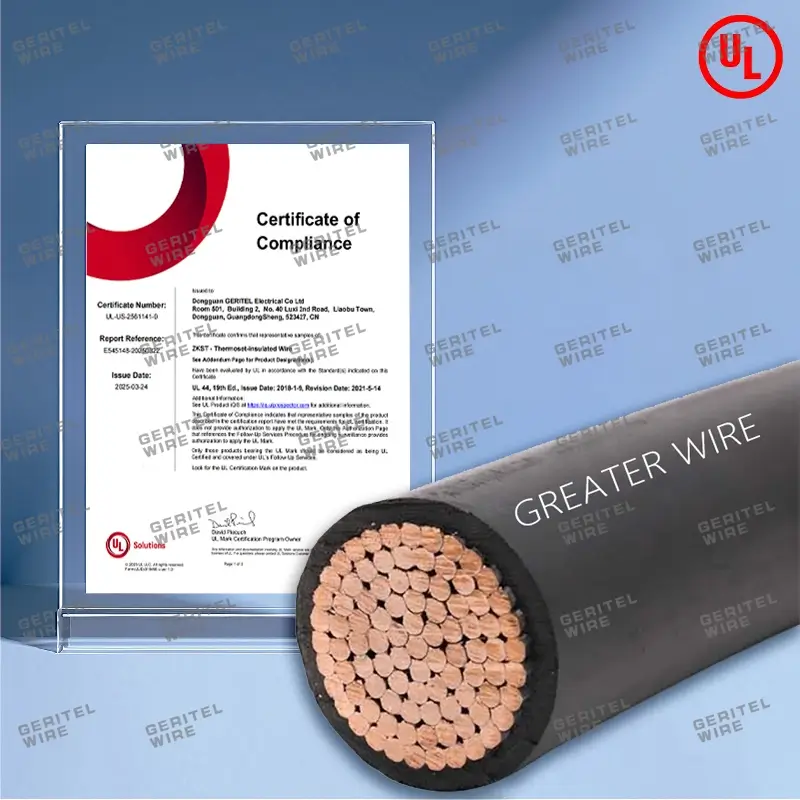
When your project requires wiring that will last for decades underground, the choice of wire and manufacturer matters. Our XHHW/XHHW-2 copper building wire is UL 44 certified, tested and approved by Underwriters Laboratories to meet rigorous safety and performance standards. Whether you need 12 AWG for branch circuits, 2 AWG for sub-feeders, or 350 kcmil for large commercial feeders, our UL 44 certified XHHW-2 wire delivers the reliability your underground installation requires.
Tell us about your project—wire size, installation method, and depth requirements. We will recommend the right XHHW/XHHW-2 wire and provide the documentation you need.
Contact us
Dongguan GERITEL Electrical Co., Ltd.
Tel/WhatsApp/Wechat: +86 136 6257 9592
Tel/WhatsApp/Wechat: +86 135 1078 4550
Email: manager01@greaterwire.com
Website: www.geritelgroup.com
 How to Calculate Ampacity for XHHW-2 Aluminum and Copper Wire



 Building 2, No. 40 Luxi 2nd Road, Liaobu Town, Dongguan City, Guangdong Province, China