



 Home
HomeWhy Machine Tool Cable Selection Is Critical for Industrial Equipment Performance
 GERITEL
 Jun 12,2026

1. The Hidden Cost of Choosing the Wrong Machine Tool Cable
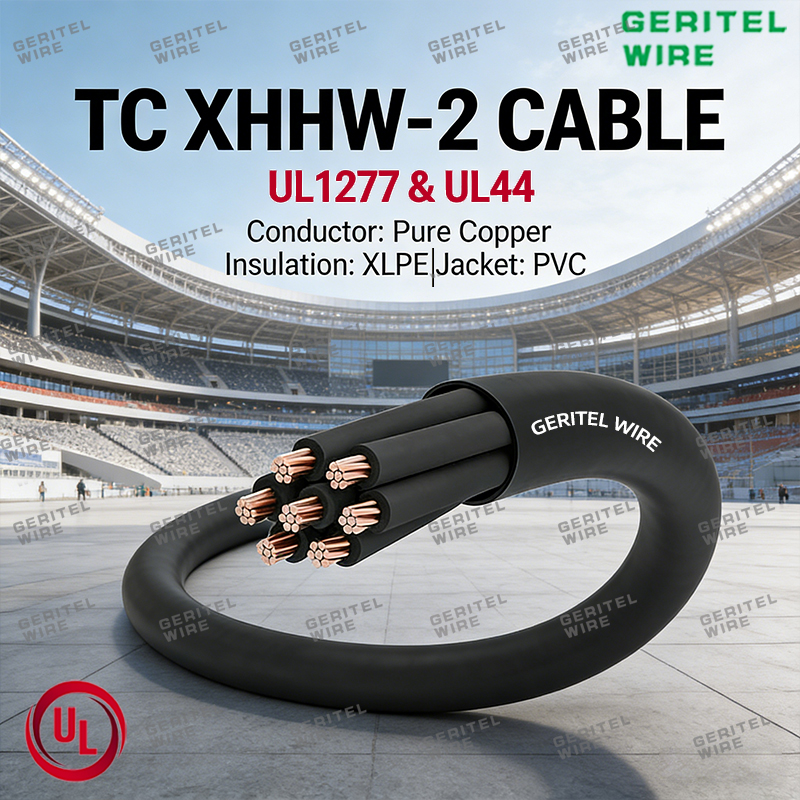
When most industrial equipment manufacturers and plant managers think about equipment performance, they focus on servo motors, control systems, and precision components. Few realize that a $50 machine tool cable can bring a $500,000 CNC machining center to a complete standstill—and cost your business tens of thousands of dollars in lost production.
In our 20+ years of manufacturing industrial wiring solutions, we’ve seen this scenario play out hundreds of times. Standard THHN/THWN-2 or XHHW-2 building wires simply aren’t designed for the harsh conditions inside modern manufacturing equipment. In typical CNC machine environments with constant bending, vibration, and cutting fluid exposure, generic cables often crack, short-circuit, or fail completely within 12-24 months.
The financial impact is staggering. A single unplanned downtime event for a high-volume CNC shop can exceed $10,000 per hour when you factor in lost production, overtime labor for repairs, and missed delivery deadlines. Worse yet, if you’re exporting equipment to North America, using non-certified cables can result in failed inspections, rejected shipments, and damaged customer relationships.
2. Why Standard Cables Fail in Industrial Machinery Applications
Machine tool cables face three unique challenges that standard building wires cannot overcome:
· Constant Flexing and Vibration
CNC machining centers, industrial robots, and automated production lines require cables that can bend millions of times over their service life. Standard cables use solid or coarsely stranded conductors that quickly fatigue and break under repeated movement. Even flexible building wires are typically rated for only a few thousand bending cycles—nowhere near enough for equipment that operates 24/7.
· Oil and Chemical Exposure
Cutting fluids, lubricants, and hydraulic oils are omnipresent in manufacturing environments. These chemicals degrade standard PVC jacket materials over time, causing them to become brittle, crack, and expose live conductors. Once the jacket fails, moisture and contaminants can enter the cable, leading to short circuits and electrical fires.
· Mechanical Abrasion
Cables in industrial equipment are constantly rubbing against metal surfaces, being dragged across floors, and exposed to impact from falling chips and debris. Standard cables lack the abrasion resistance needed to withstand this abuse, leading to premature jacket damage and conductor exposure.
3. How TC-ER Cables Solve These Industry Pain Points
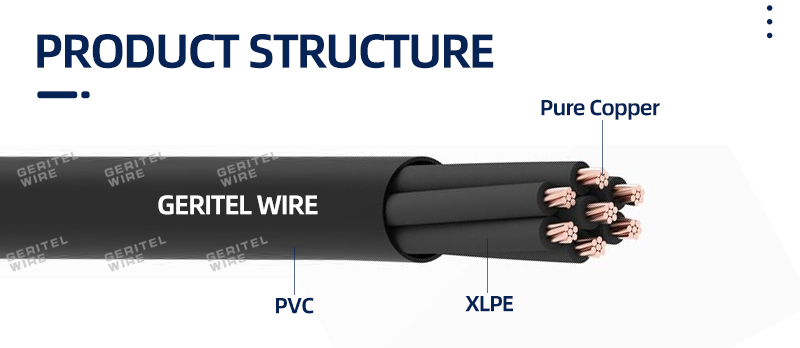
PVC jacketed TC-ER cable (Tray Cable - Exposed Run) has emerged as the gold standard for modern machine tool wiring, addressing all the limitations of standard building wires. Our tinned copper TC-ER cable is specifically engineered to meet the demanding requirements of industrial machinery applications:
· High-flex construction: We use finely stranded tinned copper conductors that can withstand ≥5 million bending cycles without breaking—1000x more durable than standard THHN/THWN-2 cable. This makes our flexible TC-ER cable for industrial machinery ideal for moving applications like robot arms and CNC machine axes.
· Oil and abrasion resistant jackets: Available in both heavy-duty PVC and polyurethane (PUR) options, our cables resist degradation from all common cutting fluids and lubricants. The tough jacket material also provides excellent abrasion resistance, protecting against mechanical damage.
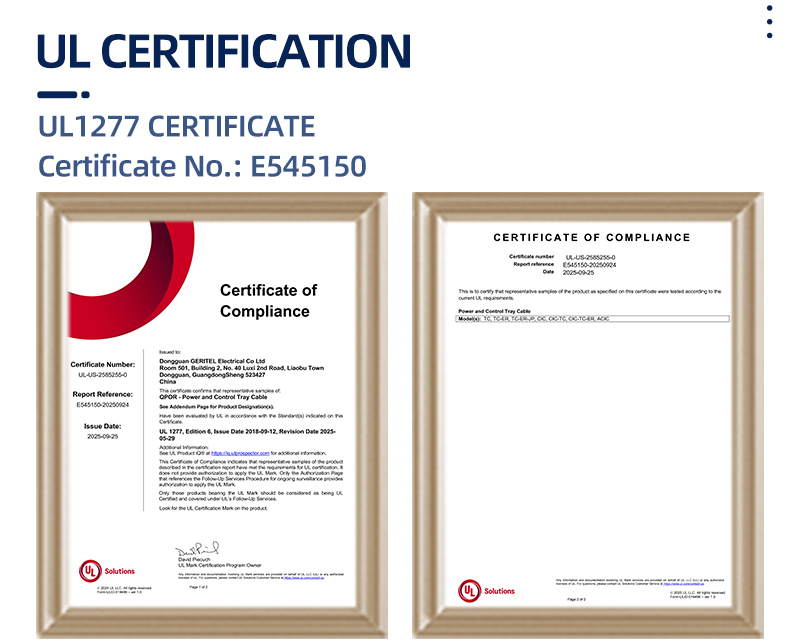
· UL44 and UL1277 dual certification: All our 600V TC-ER cable and 1000V TC-ER cable carry both UL44 and UL1277 certifications, ensuring compliance with all North American electrical codes. This eliminates the risk of failed inspections and rejected equipment shipments.
· Cost-effective installation: Unlike standard cables that require conduit or metal raceways, dual rated TC-ER cable can be installed directly in cable trays or as exposed runs. This reduces installation time and material costs by 30% or more compared to traditional wiring methods.
4. A Practical Guide to Selecting the Right Machine Tool Cable
Choosing the correct cable for your application requires more than just picking the right voltage rating. Here’s what you need to consider:
· Flexibility rating: Match the cable’s flexibility to your equipment’s movement requirements. For static applications, standard TC-ER cable is sufficient. For moving applications like robot arms or CNC axes, select a high-flex cable rated for the required number of bending cycles and minimum bend radius.
· Oil resistance: Confirm that the cable’s jacket material is compatible with the specific cutting fluids and lubricants used in your facility. Not all PVC jackets are created equal—our oil-resistant formulations are tested against the most common industrial fluids.
· Voltage and conductor configuration: Most machine tool applications use 600V TC-ER cable in 3/C or 4/C configurations with a bare ground or insulated green ground conductor. For higher power applications, 1000V dual rated TC-ER cable provides additional capacity and flexibility.
· Armor options: For applications requiring extra mechanical protection, we offer cables with aluminum interlocked armor or galvanized steel armor. These armored cables provide superior protection against impact and crushing damage.
5. Frequently Asked Questions
Q: Can I use standard THHN/THWN-2 wire for machine tool wiring?
A: While technically allowed in some static applications, we strongly recommend against it. THHN/THWN-2 wire is not designed for constant flexing, vibration, or oil exposure, and will fail prematurely in most machine tool environments.
Q: What is the difference between 600V and 1000V TC-ER cable?
A: 600V TC-ER cable is suitable for most standard machine tool applications. 1000V dual rated TC-ER cable is designed for higher power applications and provides additional safety margin for voltage spikes.
Q: Do TC-ER cables require conduit?
A: No, that’s one of their biggest advantages. UL1277 certified TC-ER cables can be installed directly in cable trays or as exposed runs, eliminating the need for expensive conduit systems.
Q: How long do TC-ER machine tool cables last?
A: When properly selected and installed, our TC-ER cables typically last 10-15 years in harsh industrial environments—5-10x longer than standard building wires.
6. Get Expert Help With Your Machine Tool Cable Selection
Choosing the right machine tool cable is a critical decision that directly impacts your equipment’s reliability, performance, and total cost of ownership. With over 20 years of experience manufacturing UL44 and UL1277 certified industrial cables, we can help you select the perfect solution for your specific application.
Whether you’re a CNC machine manufacturer looking for a reliable wiring partner, an industrial equipment integrator working on a new project, or an MRO provider needing replacement cables, our team of technical experts is here to help.
Contact us today to discuss your requirements and request a free quote for our premium oil-resistant machine tool cable for CNC machines and industrial equipment wiring solutions.
Dongguan GERITEL Electrical Co., Ltd.
Tel/WhatsApp/Wechat: +86 136 6257 9592
Tel/WhatsApp/Wechat: +86 135 1078 4550
Email: manager01@greaterwire.com
Website: www.geritelgroup.com
 Understanding Factory Power Cable Requirements for Modern Manufacturing Facilities



 Building 2, No. 40 Luxi 2nd Road, Liaobu Town, Dongguan City, Guangdong Province, China