


 Home
HomeWhat Electrical Contractors Look for When Selecting Industrial Cables
 GERITEL
 Jun 17,2026

Ask any electrical contractor about cable selection, and you will hear the same thing: "Just give me something that works, installs fast, and won't get me called back."
Contractors think differently from engineers. Engineers worry about voltage drop and ampacity. Contractors worry about schedule, labor cost, and whether the cable will pull easily. They need cable that gets the job done with minimum hassle.
This article covers what contractors really look for – and why TC-ER cable has become a favorite on job sites.
1.The Contractor's Perspective: Different from the Engineer
When you are in the field every day, cable selection is practical, not theoretical. Contractors ask:
- How fast can I install it? Labor is the biggest cost. Cable that runs in trays without conduit saves days.
- Will it pull easily? Flexible cable bends around obstacles and flows into panels without fighting the installer.
- Will it survive the job site? Construction sites are dirty, wet, and unforgiving.
- Will it pass inspection? The cable must have the right markings and certifications.
- Will I get called back? Callback means lost profit.
TC-ER cable answers every one of these questions.
2. Five Factors Contractors Prioritize
1. Installation Speed
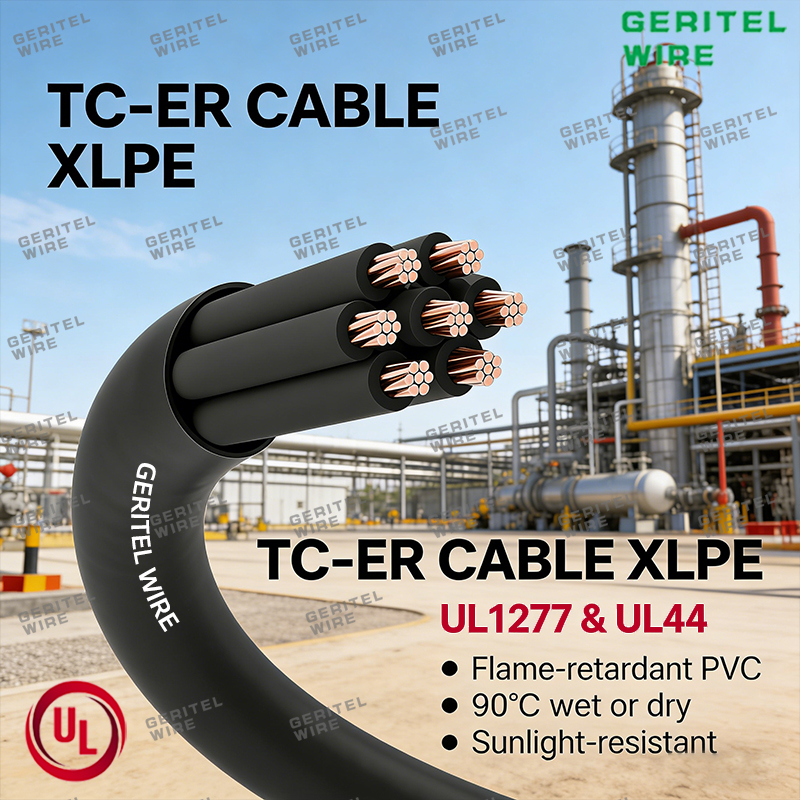
TC-ER's exposed run rating allows tray installation without conduit. No pipe bending, no fittings, no long pulls. Just lay it in the tray and secure it. On tight schedules, this cuts installation time by days.
2. Compliance and Inspection
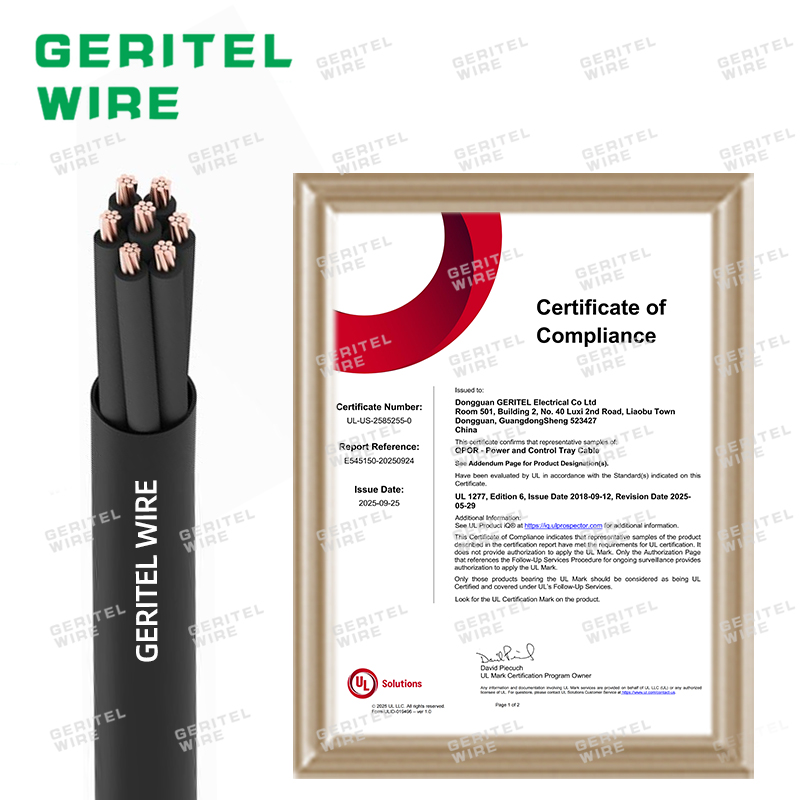
UL 1277 certification gives inspectors what they need. No arguments, no red tags. This is why TC-ER is a common choice for commercial electrical projects.
3. Environmental Durability
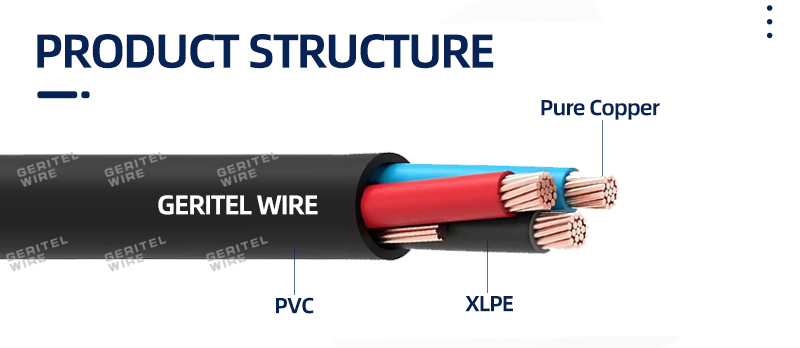
XHHW-2 insulation is rated 90°C wet/dry and resists oil, chemicals, and abrasion. The black PVC jacket is sunlight-resistant. The cable handles outdoor exposure without breaking down.
4. Flexibility and Handling
TC-ER uses stranded conductors and unarmored construction – lighter and more flexible than MC cable. It bends easily, coils neatly, and terminates cleanly. For industrial cable selection, handling matters as much as ratings.
5. Reliability and Callbacks
A cable failure after project completion means returning to the site – at the contractor's expense. TC-ER with XHHW-2 is built to last. Contractors who use it sleep better knowing their work will hold up in industrial projects.
3.Three TC-ER Cable Specifications Contractors Use Most Often
10 AWG 4/C TC-ER – Small Power and Control Runs
Four conductors in one cable. Light and easy to handle. Speeds up installation in tight spaces. Good for both power and control.
Typical use: Control cabinets, small conveyors, lighting panels.
TC-ER cable for commercial projects: This 10 AWG 4/C configuration is commonly used in commercial electrical projects where speed is a top priority.
6 AWG 3/C TC-ER – Medium Equipment Power
Three conductors for three-phase power. Simple, straightforward, and reliable. Fast to install in trays. No complicated terminations.
Typical use: HVAC units, small pumps, conveyor drives.
TC-ER cable for industrial projects: This 6 AWG 3/C configuration is frequently used in industrial projects for reliable power delivery.
2 AWG 4/C Shielded TC-ER – Large Equipment with VFD
Three phase conductors plus insulated ground. Overall shield blocks EMI from VFD output. Handles high current over longer distances.
Typical use: Large chillers, big pumps, main feeders to VFD panels.
TC-ER cable for exposed run: This 2 AWG 4/C shielded configuration takes full advantage of the exposed run rating for direct tray installation.
FAQ
Q1: Why do contractors prefer TC-ER over MC cable?
TC-ER is lighter, more flexible, and easier to handle. MC cable has interlocked armor, which makes it heavier and harder to bend. For most commercial and industrial jobs, contractors choose TC-ER for speed and ease.
Q2: What certifications do contractors need to see?
UL 1277 is the key certification. Contractors should also check for sunlight resistance marking for outdoor use. Proper markings prevent inspection issues.
Q3: Is shielded TC-ER worth the extra cost?
For VFD-driven equipment or near sensitive controls – yes. The shield blocks EMI that can cause false signals. The extra cost is small compared to troubleshooting time on a problem cable.
Q4: Does GERITEL provide UL 1277 certified TC-ER cable?
Yes. Dongguan GERITEL Electrical Co., Ltd. holds UL 1277 certification. We can provide the certificate upon request.
Need a Quote?
Tell us your project type, load, and conditions. We will recommend the right cable and send a quick quote.
Contact us
Dongguan GERITEL Electrical Co., Ltd.
Tel/WhatsApp/Wechat: +86 136 6257 9592
Tel/WhatsApp/Wechat: +86 135 1078 4550
Email: manager01@greaterwire.com
Website: www.geritelgroup.com
 Understanding NEC Requirements for Exposed Run Power Cables in Industrial Facilities



 Building 2, No. 40 Luxi 2nd Road, Liaobu Town, Dongguan City, Guangdong Province, China