


 Home
HomeWhat Does the “W” Mean in XHHW Wire?
 GERITEL
 Mar 24,2026

When planning an electrical installation, one of the first decisions contractors and engineers face is selecting the correct wire type. For environments where moisture, humidity, or occasional water exposure is expected, the “W” in XHHW wire is a decisive factor. It indicates water-resistant insulation, allowing the cable to operate safely in wet locations such as underground conduits, basements, or outdoor sections exposed to rain or condensation. Choosing a wire without this rating in such scenarios can lead to insulation degradation, electrical faults, and safety hazards, which can be costly to rectify.
Understanding the Insulation Advantages
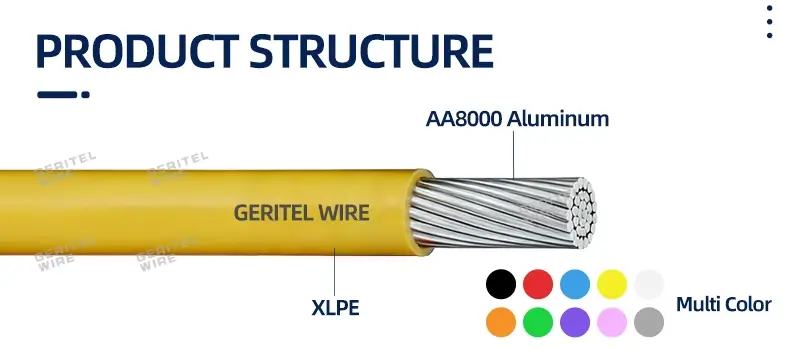
XHHW wire uses XLPE (cross-linked polyethylene) insulation, which provides several key advantages:
• High moisture resistance, preventing water absorption that can compromise electrical safety
• Thermal stability, supporting higher operating temperatures in both wet and dry conditions
• Chemical and abrasion resistance, ideal for industrial and commercial installations
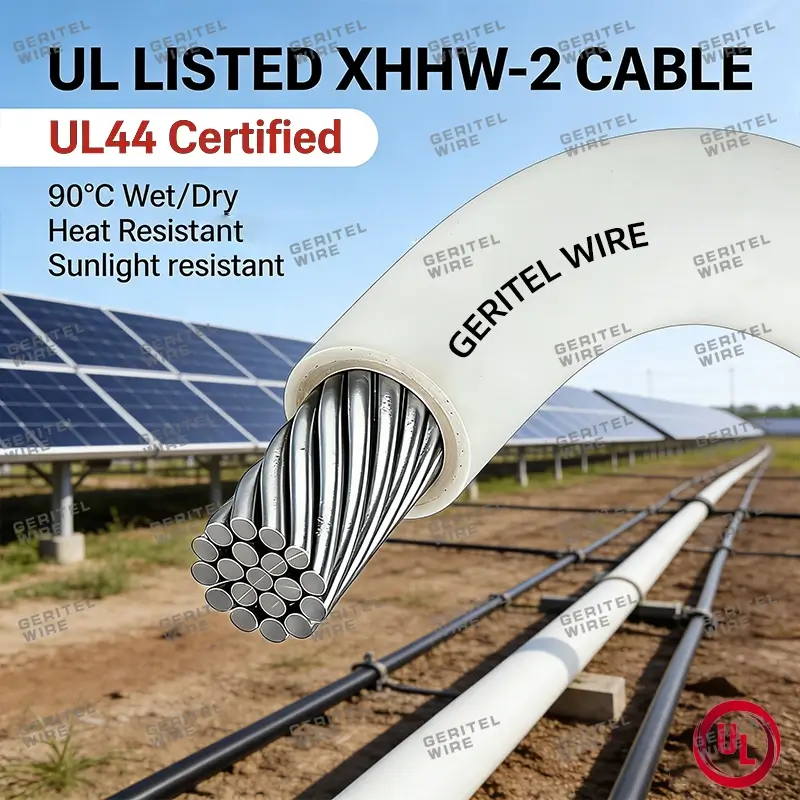
These properties make XHHW and XHHW-2 wires suitable for wet and dry applications, offering more flexibility than standard THHN or THWN wires. Contractors often search for “XLPE XHHW wire for underground use” or “high-temperature wet-rated wire”, reflecting the importance of this insulation in real-world applications.
Matching Wire Types to Installation Scenarios
The choice of wire type depends on both the environment and the load requirements. Here’s how XHHW performs across common scenarios:
• Residential and office branch circuits: 14–10 AWG XHHW wire is ideal for lighting or outlet circuits in basements or damp areas.
• Commercial feeders and medium-load circuits: 8–2 AWG provides reliable performance in wet conduits and trays.
• Industrial power distribution: 1/0 AWG and above handle heavy loads for machinery, with XLPE insulation ensuring long-term safety.
This shows that even within the XHHW family, the right gauge and conductor type must align with the installation environment and expected electrical load.
Risks of Using the Wrong Cable
Installing a wire without the proper wet-location rating can have serious consequences. Moisture can gradually penetrate non-rated insulation, resulting in short circuits, equipment failure, or fire hazards. In addition, such errors may trigger code violations, failed inspections, and project delays, leading to both financial loss and reputational risk for contractors. Selecting the correct XHHW wire from the start mitigates these risks while ensuring compliance with safety standards.
How Specifications Influence Buyer Decisions
Different customers require different specifications depending on their project scale and electrical load. For instance:
• Residential electricians prioritize flexibility and ease of installation with smaller gauges.
• Commercial contractors require mid-range gauges for building feeders with moderate loads.
• Industrial engineers demand high-capacity conductors for large machinery and critical infrastructure.
Furthermore, copper XHHW wire offers superior conductivity and mechanical strength, while aluminum XHHW wire provides cost savings for larger-scale runs. Understanding these differences helps professionals select the exact solution for their project requirements.
Certified and Reliable Suppliers Matter
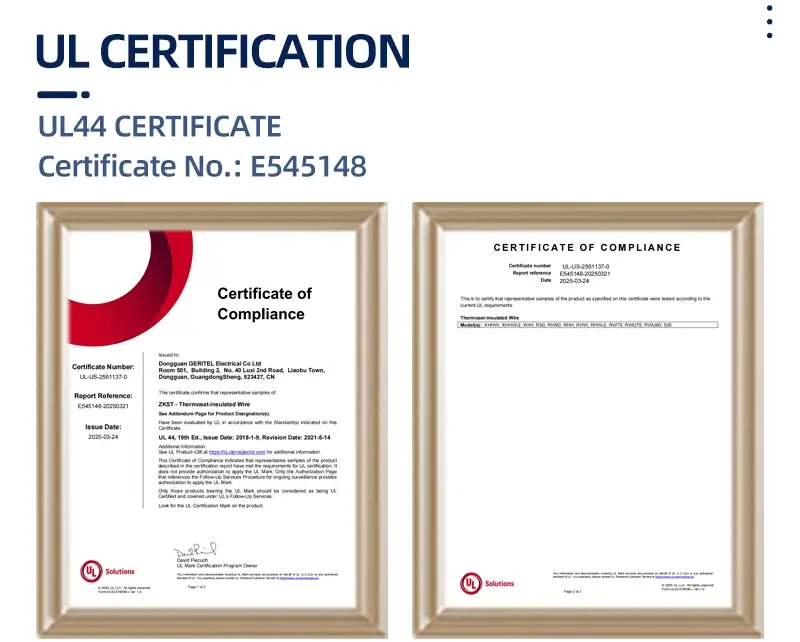
Working with a certified XHHW wire supplier ensures consistent quality, compliance with UL standards, and predictable performance in wet environments. Certified suppliers provide detailed specifications and batch traceability, which is particularly important for large-scale or safety-critical projects. Professionals searching for “UL-certified XHHW wire” are prioritizing both performance and reliability.
Making an Informed Decision
Selecting the right XHHW wire requires balancing environmental conditions, load requirements, and conductor material. Projects in wet or underground environments demand water-resistant insulation, while industrial applications require high-capacity conductors. By matching wire specifications to real-world conditions, buyers avoid unnecessary risks and ensure long-term reliability.
If you are evaluating your options and need guidance, our team can help identify the exact XHHW wire specification suited to your installation environment and load requirements, ensuring safety, compliance, and performance from day one.
Contact Us
Dongguan GERITEL Electrical Co., Ltd. offers high-quality XHHW, THHN, and THWN wires, providing reliable and customized solutions for industrial, commercial, and residential projects.
Phone: +86 136 6257 9592
Email: manager01@greaterwire.com
Website: www.greaterwire.com
 How to Choose the Right UL44 Wire for Electrical Installations



 Building 2, No. 40 Luxi 2nd Road, Liaobu Town, Dongguan City, Guangdong Province, China