


 Home
HomeTop Advantages of Using XHHW Wire in Modern Electrical Construction
 GERITEL
 Jul 01,2026

Modern commercial and industrial construction projects require durable wiring that can withstand high temperatures, high humidity and long-term heavy loads. XHHW series building wire has gradually replaced traditional thermoplastic cables in low-voltage power distribution systems. This article analyzes the core strengths of this product, covering Copper XHHW-2 Wire thermoset insulated structure, official UL 44 Copper XHHW-2 Wire specification, consistent Copper XHHW-2 Wire ampacity, and the outstanding performance of 90°C wet and dry XHHW/XHHW-2 Copper Wire.
1. Thermoset XLPE Insulation Prevents Thermal Deformation
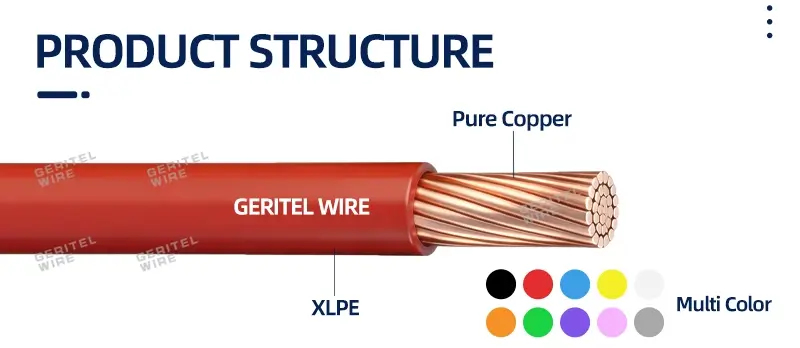
The biggest competitive edge comes from material design. Conventional building wire adopts PVC thermoplastic insulation, which will soften and deform when continuously heated. Copper XHHW-2 Wire thermoset insulated with cross-linked polyethylene will never melt under sustained high working temperature. The cross-linked molecular structure keeps the outer sheath stable without cracking or shrinking. This effectively avoids insulation breakdown and short-circuit risks inside enclosed conduits and crowded electrical rooms.
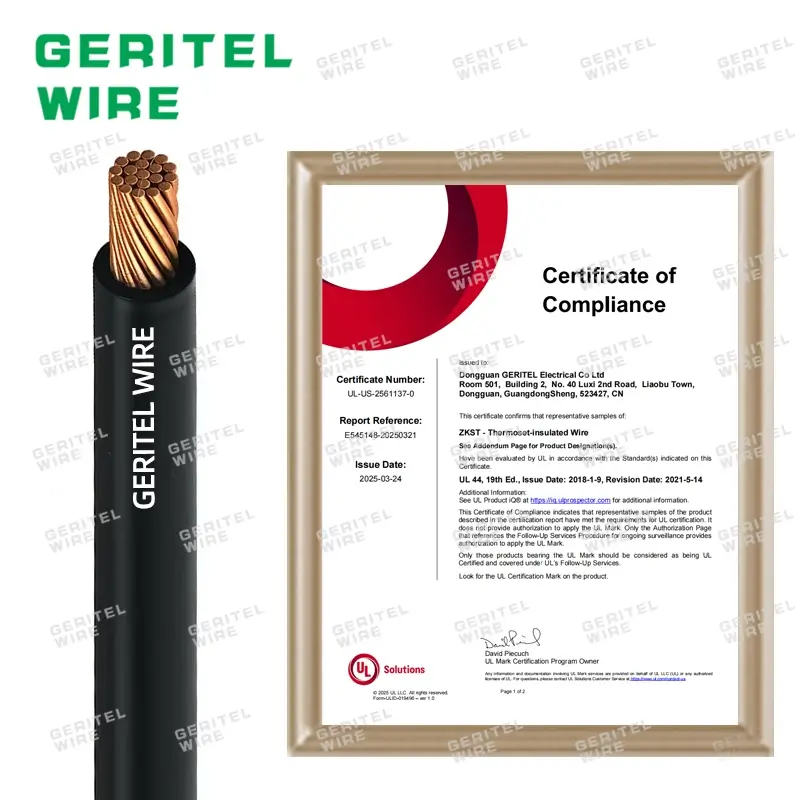
All structural parameters strictly comply with the UL 44 Copper XHHW-2 Wire specification, the unified North American standard for thermoset building wires. Complete UL test documents help contractors smoothly pass third-party project inspection and bidding acceptance.
2. Stable Copper XHHW-2 Wire Ampacity Without Environmental Derating
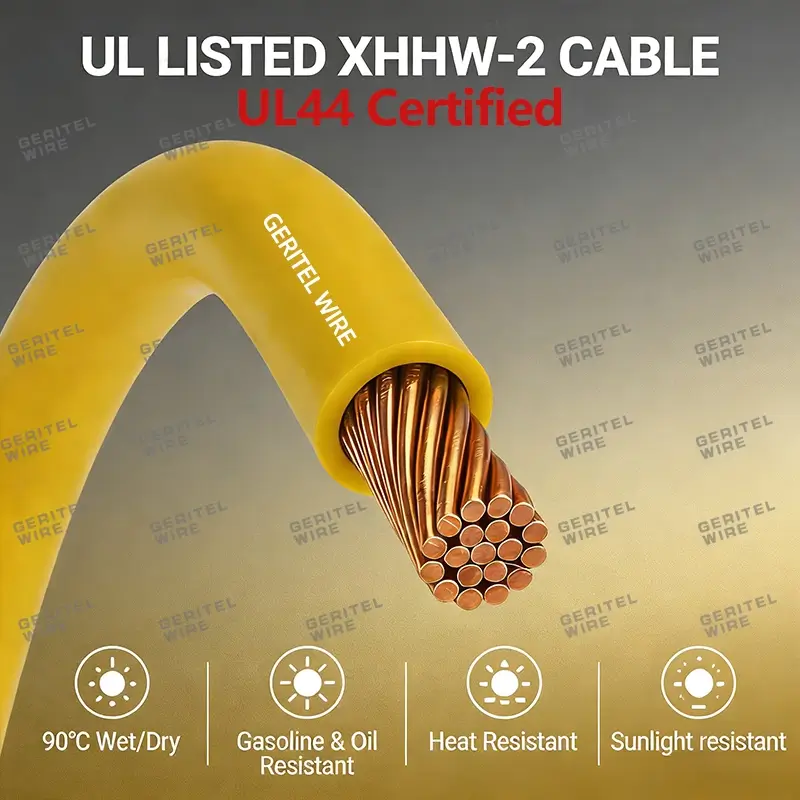
Current carrying capacity directly determines the safety of feeder circuits and branch power distribution. Most rubber-insulated wires have to reduce their load capacity once installed in damp underground conduits. However, 90°C wet and dry XHHW/XHHW-2 Copper Wire retains its full designed ampacity in both dry indoor rooms and wet buried locations. Electrical designers can follow the standard Copper XHHW-2 Wire ampacity chart strictly, with no need to upgrade wire gauges for humid working conditions. It saves engineering material cost while guaranteeing stable power transmission for long-distance trunk lines.
3. 90°C Dual Rating Expands All Scenario Applications
Few building wires can adapt seamlessly to both indoor dry wiring and outdoor wet laying. The 90°C continuous temperature rating makes this cable highly versatile:
Dry locations: cable tray routing, panel rooms, overhead indoor feeders
Wet locations: underground conduit, exterior wall wiring, damp basement raceways
For tropical construction areas with high rainfall and soil moisture, 90°C wet and dry XHHW/XHHW-2 Copper Wire unifies the wire model for the whole project. Engineers no longer need to prepare two different types of wire according to installation environments.
4. Superior Environmental Resistance Extends Service Life
The thermoset structure brings excellent resistance against oil contamination, ultraviolet rays and moisture erosion. Ordinary PVC insulation will become brittle and crack after long-term outdoor exposure. In contrast, the compact XLPE sheath keeps water and corrosive substances away from the copper core. Less corrosion and insulation aging greatly reduce later maintenance and cable replacement work for factories, shopping malls and warehouse power systems.
5. Smooth Jacket Reduces Damage During Conduit Pulling
Construction efficiency is critical for tight project timelines. The sleek surface of Copper XHHW-2 Wire thermoset insulated lowers friction greatly during threading through long and bent conduits. Workers can finish laying quickly without scratching the insulation layer. Fewer on-site damages mean less rework and lower rejection risks during project final inspection.
6. Standardized UL 44 Spec Simplifies Bidding & Quality Control
Large-scale tender projects require strict product standardization. The complete UL 44 Copper XHHW-2 Wire specification defines conductor structure, insulation thickness, voltage grade, temperature index and all electrical test items. Every batch of our XHHW-2 wire is produced in full accordance with these rules, fully meeting NEC code and sampling test requirements. You will not face delays caused by non-compliant wire quality.
FAQ
Q1: Does XHHW-2 require ampacity reduction in wet locations? No. As 90°C wet and dry XHHW/XHHW-2 Copper Wire, it maintains full Copper XHHW-2 Wire ampacity without derating in damp buried environments.
Q2: What is the difference between thermoset insulation and ordinary PVC? Copper XHHW-2 Wire thermoset insulated uses cross-linked XLPE. It will not soften or melt under high temperature, which is far more stable than thermoplastic PVC building wire.
Q3: Is the product strictly produced according to UL 44 Copper XHHW-2 Wire specification? Yes. Our production fully follows UL 44 standards, and we can provide complete test reports and UL certificates for engineering inspection.
Q4: What projects fit XHHW wire best? It is ideal for commercial buildings, industrial plants, underground conduit feeders and outdoor power distribution in high-humidity tropical regions.
Dongguan Greater Wire & Cable Co., Ltd strictly follows the UL 44 Copper XHHW-2 Wire specification to produce full-gauge XHHW and XHHW-2 cables. We supply Copper XHHW-2 Wire thermoset insulated products with stable ampacity and reliable 90°C wet-dry performance. Bulk orders with factory pricing and full certification are available for global electrical contractors and construction firms.
Contact Info
Tel/WhatsApp/Wechat: +86 136 6257 9592
Tel/WhatsApp/Wechat: +86 135 1078 4550
Email: manager01@greaterwire.com
Website: www.greaterwire.com
 Is XHHW-2 Wire Suitable for Industrial Control Systems?



 Building 2, No. 40 Luxi 2nd Road, Liaobu Town, Dongguan City, Guangdong Province, China