


 Home
HomeTHHN Wire Structure and Materials Explained
 GERITEL
 Mar 26,2026

When it comes to electrical wiring, choosing the right type of wire is crucial for safety, durability, and performance. One of the most popular options for residential, commercial, and industrial installations is THHN wire. But what makes THHN wire so reliable, and how do you choose the right variant for your project? In this guide, we’ll explore the structure, materials, and applications of THHN wire, helping you make an informed decision.
Understanding THHN Wire
THHN stands for Thermoplastic High Heat-resistant Nylon-coated wire. The name itself gives insight into the key components that make up this versatile electrical cable. At its core, THHN wire is designed to handle high temperatures while maintaining electrical integrity, and its nylon jacket provides added protection against abrasion, moisture, and chemical exposure.
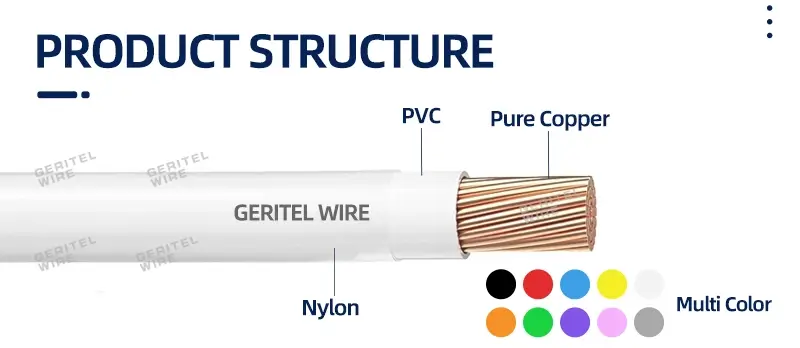
The basic structure of THHN wire consists of:
- Copper Conductor: Most THHN wires feature a high-quality copper core, which offers excellent conductivity and flexibility. For example, THHN copper building wire 600V is rated for a maximum of 600 volts, making it suitable for a wide range of building wiring applications. Copper conductors are ideal because they minimize energy loss and reduce the risk of overheating.
- Thermoplastic Insulation: The copper conductor is coated with a heat-resistant thermoplastic layer. This insulation can withstand temperatures up to 90°C in dry locations, ensuring that the wire can perform safely even under high heat conditions.
- Nylon Jacket: An outer nylon jacket provides additional protection and durability. This makes the wire resistant to abrasion, oils, chemicals, and moisture, which is particularly important in environments where the cable may encounter physical stress. When shopping, look for THHN electrical wire nylon jacket to ensure you get these enhanced protective features.
Key Parameters to Consider
THHN wires are available in different gauges, insulation ratings, and configurations. Choosing the right wire depends on your specific electrical needs. Here are the main parameters to consider:
- Voltage Rating: Most THHN wires are rated for 600V, making them suitable for standard building circuits. Always check the voltage requirement of your installation. Using THHN copper building wire 600V ensures compatibility with most residential and commercial electrical systems.
- Wire Gauge: Wire size (measured in AWG) affects current-carrying capacity. Larger gauges carry more current but are less flexible, while smaller gauges are easier to route but handle less power. For example, 12 AWG THHN wire is commonly used for general lighting circuits, whereas 6 AWG may be used for heavy appliances or subpanels.
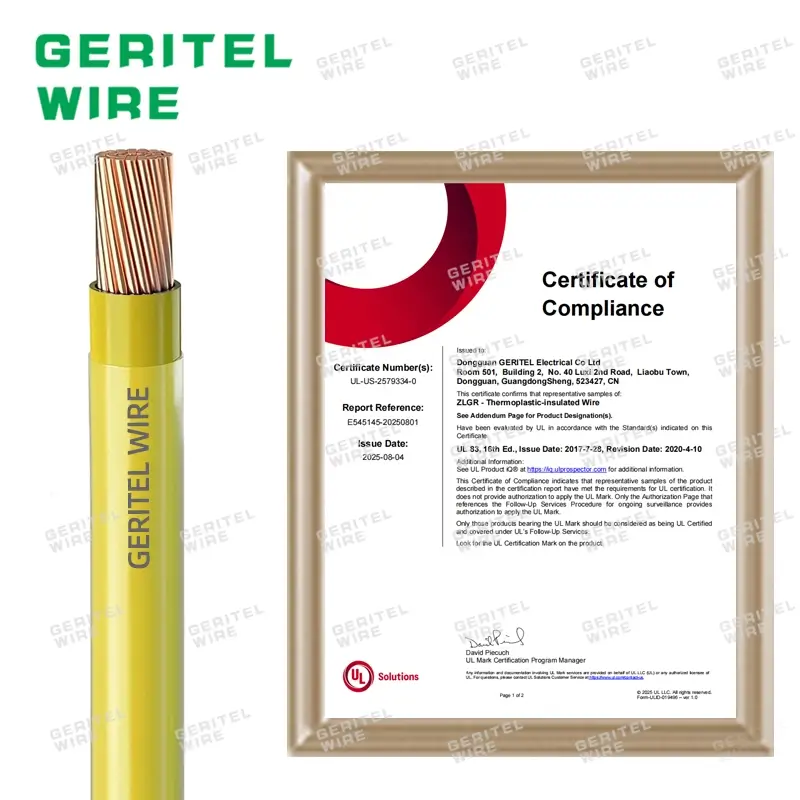
- UL Listing: Choosing a THHN electrical cable UL listed guarantees that the wire meets rigorous safety standards and is approved for use in building wiring. UL-listed cables have undergone extensive testing for heat resistance, flammability, and mechanical durability, giving you peace of mind.
- Environmental Conditions: If the wire will be installed in wet or industrial areas, the nylon jacket becomes critical. THHN electrical wire nylon jacket provides extra protection against moisture, oil, and mechanical damage.
Common Applications of THHN Wire
THHN wire is widely used in various scenarios due to its durability and safety features. Here are some typical applications:
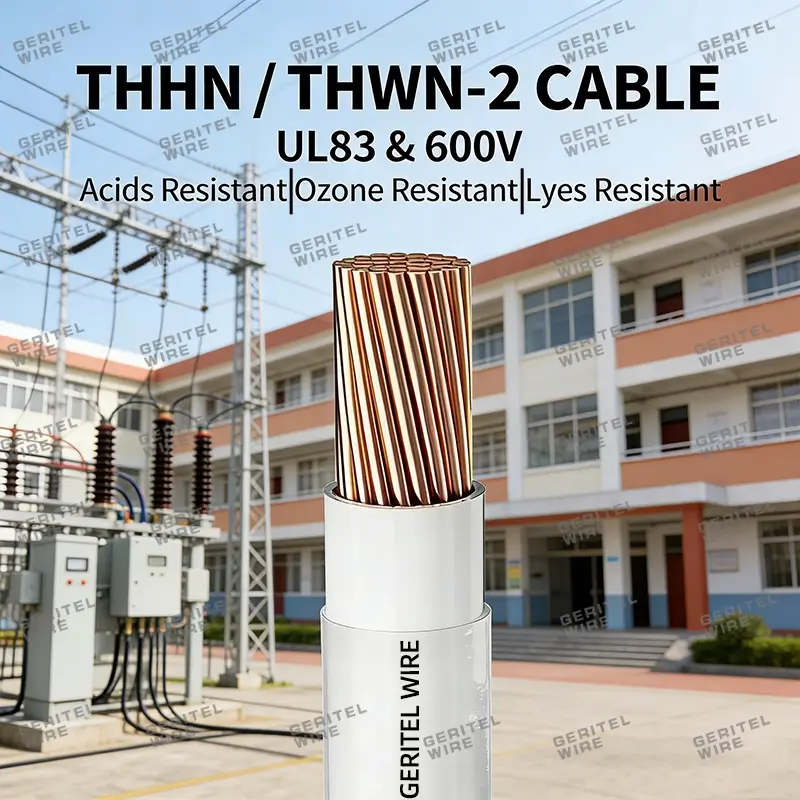
Residential Wiring: THHN is ideal for interior house wiring for outlets, lighting circuits, and appliances. Its 600V rating fits most household electrical systems, and the copper conductor ensures energy efficiency.
Commercial Buildings: Offices, retail spaces, and multi-story buildings often use THHN wires for power distribution and lighting systems. The UL-listed electrical cable ensures compliance with building codes.
Industrial Settings: Factories and warehouses may require wires resistant to abrasion, chemicals, and high temperatures. THHN wires with nylon jackets are perfect for these environments, protecting against mechanical wear and chemical exposure.
Panel Wiring: THHN wires are commonly used inside electrical panels to connect breakers, switches, and outlets. Their heat-resistant insulation reduces fire hazards in high-load circuits.
How to Choose the Right THHN Wire
Selecting the right THHN wire involves balancing current capacity, environmental conditions, and regulatory requirements. Here’s a step-by-step approach:
Determine Voltage Requirements: Ensure your application does not exceed the wire’s 600V rating. Use THHN copper building wire 600V for standard building circuits.
Choose Wire Gauge: Match the wire gauge to the current load. Reference local electrical codes to ensure compliance.
Check Insulation Type: For high-temperature environments, standard THHN insulation is sufficient. If the wire is exposed to chemicals or potential abrasion, opt for a nylon jacket.
Confirm Certification: Always use THHN electrical cable UL listed to guarantee safety and reliability.
Consider Flexibility: If wiring requires bends and turns, choose stranded copper THHN wire for easier installation.
The Consequences of Wrong Selection
Selecting the wrong THHN wire can have serious repercussions:
Overheating or Fire Risk: Using a wire with insufficient gauge can cause overheating, damaging equipment or even causing fires.
Project Delays and Cost Overruns: Incorrect specifications may fail inspections, requiring replacement and delaying timelines.
Equipment Damage: Low-quality or uncertified wires can degrade faster under stress, leading to maintenance issues and unexpected downtime.
Working with a certified, professional THHN wire supplier mitigates these risks. They provide reliable specifications, technical advice, and quality assurance for every project.
Contact us
Looking for stable cable supplier? We have what you need.
Tel/WhatsApp/WeChat: +86 136 6257 9592 / +86 135 1078 4550
Email: manager01@greaterwire.com
 UL83 THHN/THWN-2 Cables: Advantages for Outdoor Wiring



 Building 2, No. 40 Luxi 2nd Road, Liaobu Town, Dongguan City, Guangdong Province, China