


 Home
HomeHow to Choose the Right THHN Wire Supplier
 GERITEL
 Mar 26,2026

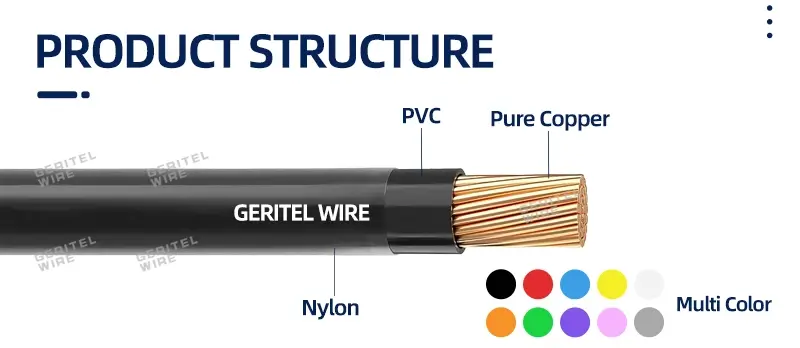
When planning a commercial building project or upgrading your residential electrical wiring, choosing the right THHN wire supplier is crucial. THHN wire, short for Thermoplastic High Heat-resistant Nylon-coated wire, is widely used in modern electrical systems for its durability, heat resistance, and ease of installation. Specifically, THHN copper conductor PVC nylon is a common specification that combines the conductivity of copper with the protection of PVC and nylon insulation. However, with so many suppliers in the market, how can you ensure that the THHN wire you purchase meets both safety standards and project requirements?
When to Use THHN Wire
Before diving into supplier selection, it’s important to know when THHN wire is the right choice:
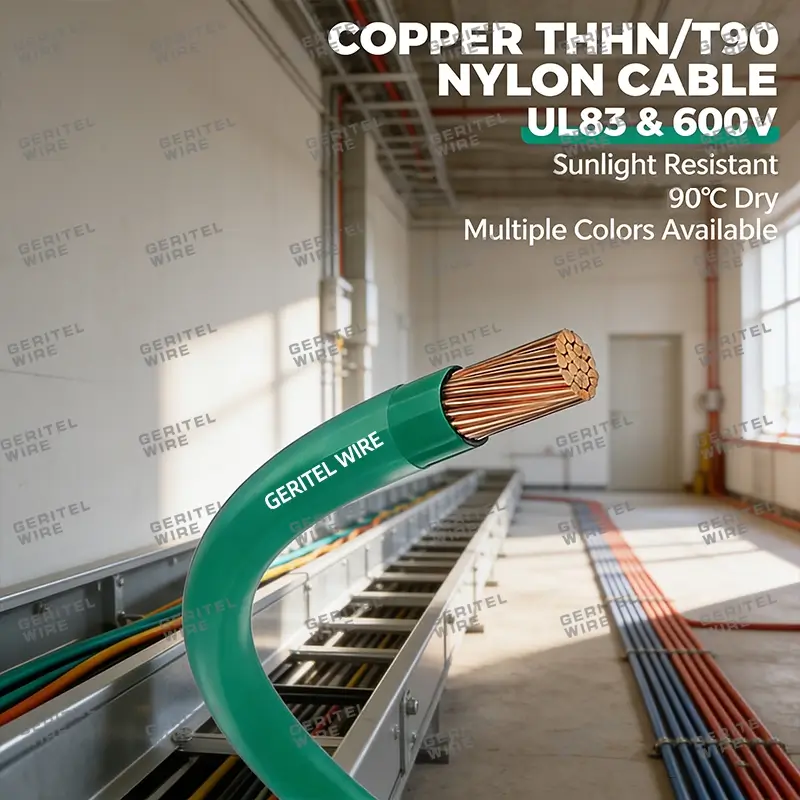
- Indoor Electrical Wiring: THHN wire is ideal for dry locations within conduits. In fact, THHN power wire for conduit use is one of its most common applications, as its thermoplastic insulation protects against heat, abrasion, and chemical exposure.
- High-Temperature Areas: For areas prone to high temperatures, THHN wire maintains stability and reduces the risk of electrical faults, making THHN cable industrial wiring use a staple in these settings.
- Commercial and Industrial Applications: Offices, factories, and commercial buildings frequently rely on THHN wire for circuits that require reliable insulation and long-term performance.
Using THHN wire in these contexts ensures safety, compliance with electrical codes, and longevity of your installation.
Key Parameters of THHN Wire
Choosing the right THHN wire involves understanding its key specifications. The table below summarizes the most critical parameters and suitable applications:
| Parameter | Gauge (AWG) |
Voltage Rating |
Temperature Rating |
Insulation Material |
Certification |
| Description | Determines current-carrying capacity | Maximum operating voltage | Maximum operating temperature | Thermoplastic Nylon-coated PVC | UL listed |
| Suitable Applications | 14–12 AWG for lighting, 10–8 AWG for general circuits, 6–4 AWG for heavy machinery | 600V standard for most building projects | 90°C in dry locations; 75°C in wet locations | Provides heat resistance and abrasion protection | Ensures quality and regulatory compliance |
By reviewing these parameters, you can match the wire to your project needs, preventing costly mistakes or safety issues.
How to Select a THHN Wire Supplier
Choosing a supplier is more than picking a brand from Google search results. Here are critical factors to consider:
- Quality and Certification
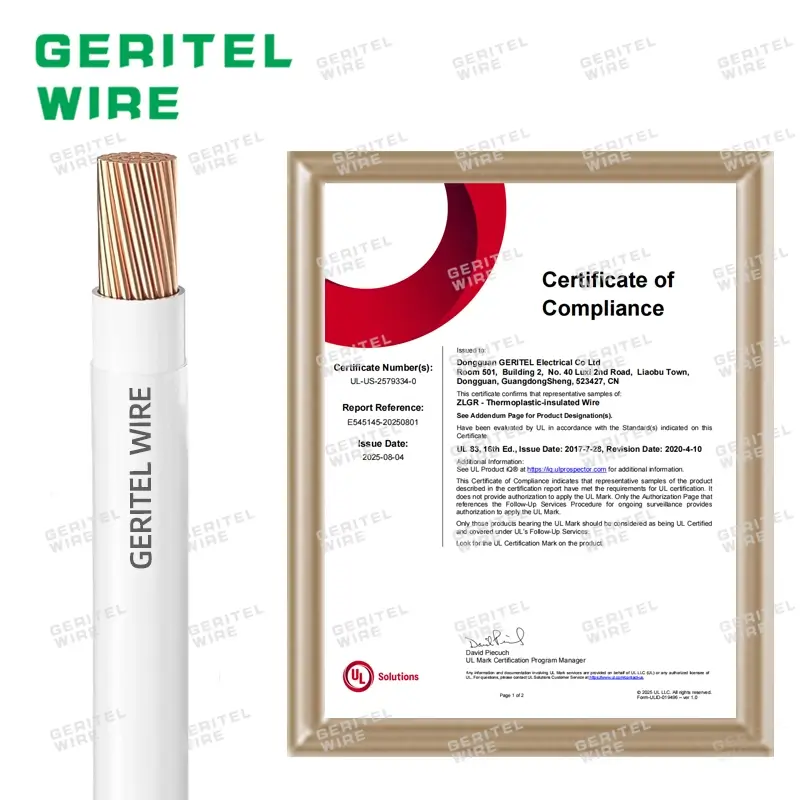
Ensure the supplier provides UL-listed THHN wire. UL certifications indicate that the wire has passed rigorous safety and environmental standards.
- Variety of Options
A reliable supplier should offer a range of wire gauges, colors, and packaging lengths, allowing you to select the most suitable product for your project.
- Pricing and Bulk Discounts
For large-scale projects, buying THHN wire in bulk can save costs. Compare pricing while keeping quality in mind—cheap wire can compromise safety.
- Customer Support and Technical Guidance
Top suppliers provide installation guidance, technical datasheets, and on-demand consultation. This support can be invaluable, especially if your project involves complex electrical systems.
- Delivery and Availability
Fast and reliable shipping is essential. Check if the supplier maintains stock for your required THHN wire type and can deliver on schedule.
Scenario: Choosing THHN Wire for a Commercial Building
Imagine you are managing a 10-story office building construction. The electrical contractor needs wire for lighting circuits, HVAC systems, and main power distribution. Here’s how a strategic selection process might look:
- Step 1: Determine Wire Gauge – Lighting circuits use 12 AWG THHN; HVAC requires 6 AWG.
- Step 2: Check Temperature Ratings – Conduits running near heat sources need 90°C rated wire.
- Step 3: Verify Certification – Confirm all wires are UL listed to meet city building codes.
- Step 4: Compare Suppliers – Evaluate suppliers on quality, variety, pricing, and delivery reliability.
Following this structured approach ensures that the project stays on schedule, within budget, and compliant with safety codes.
Tips for Long-Term Reliability
- Stick to Reputable Brands: Brand reputation often reflects consistent quality.
- Avoid Overloading: Always match wire gauge with expected current load to prevent overheating.
- Proper Storage: Keep THHN wire in dry, shaded areas to maintain insulation integrity.
- Routine Inspection: Periodically check wires in long-term installations to ensure continued safety.
By carefully selecting both THHN wire and a trusted supplier, you minimize risks, improve efficiency, and ensure compliance with building regulations.
Contact us
Safe power starts from safe cables. We provide the best for you.
⚡Tel/WhatsApp/WeChat: +86 136 6257 9592 / +86 135 1078 4550
⚡Email: manager01@greaterwire.com
 THHN Wire Structure and Materials Explained



 Building 2, No. 40 Luxi 2nd Road, Liaobu Town, Dongguan City, Guangdong Province, China