


 Home
HomeTFFN vs THHN Wire
 GERITEL
 Mar 25,2026

Selecting the right wire is crucial for any electrical project. Engineers and contractors need to understand the differences between TFFN wire and THHN wire to ensure both safety and performance. This guide examines real-world applications, parameters, and risk considerations to help you make informed decisions.
TFFN Wire: Flexible Solution for Light-Duty Applications
TFFN wire (Thermoplastic Flexible Fixture Nylon-coated) is ideal for indoor, portable, and low-voltage applications. Its main advantage is high flexibility, making it perfect for appliance cords, indoor lighting, and small equipment wiring.
Engineering Scenario: When routing wires through tight spaces or movable equipment, TFFN’s flexibility allows easy installation without damaging insulation. It typically handles 60°C–90°C temperatures and 300V–600V voltage, suitable for light to medium loads.
Risk Warning: Using TFFN in high-heat, wet, or industrial environments may cause insulation aging, short circuits, or overload, leading to safety hazards and equipment failure.
THHN Wire: Durable Choice for Heavy-Duty Installations
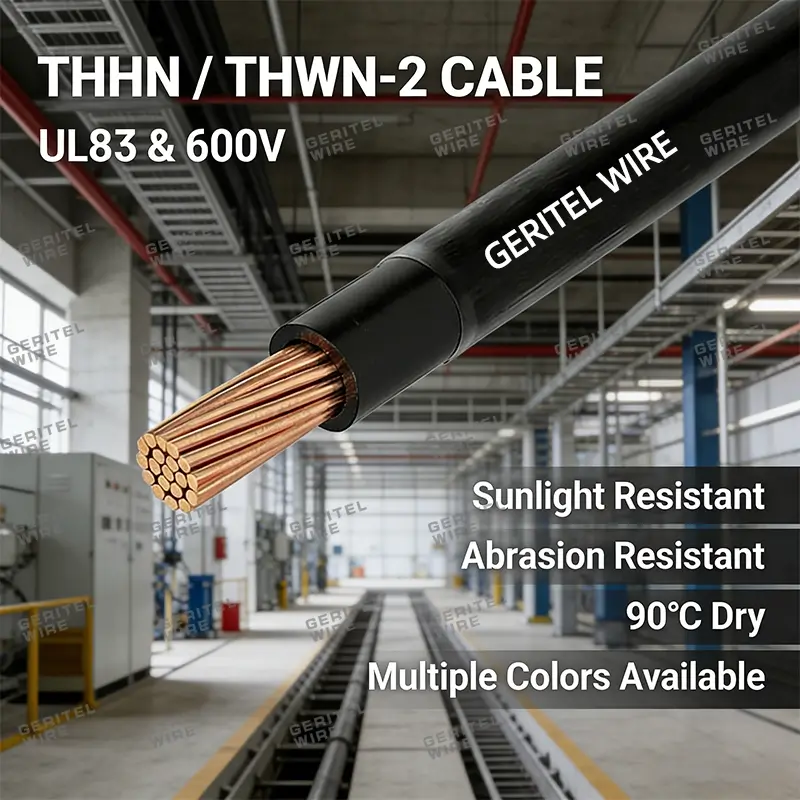
THHN wire (THHN electrical wire nylon jacket) is designed for permanent building wiring. With a 600V rating and 90°C temperature tolerance in dry locations, it is suitable for residential, commercial, and industrial projects.
Engineering Scenario: THHN is ideal for commercial lighting systems, distribution panels, and industrial machines, offering high durability, chemical resistance, and NEC/UL compliance. While it is less flexible than TFFN, it performs reliably in conduit or structured wiring systems.
Risk Warning: Using THHN in highly flexible or portable setups can result in bent or damaged wires, increasing the risk of electrical failure.
Flexibility vs. Durability: Matching Wire to Environment
TFFN excels in tight and flexible wiring scenarios, while THHN is preferred for durable, high-temperature, or wet environments. Engineers must align wire flexibility and durability with project requirements to prevent insulation damage, short circuits, or overloads.
Voltage and Temperature Considerations
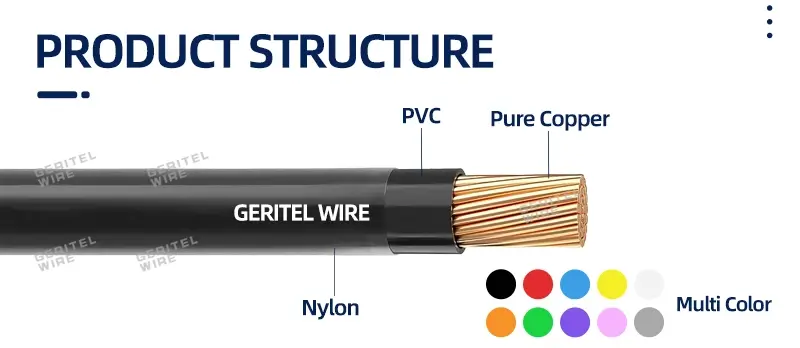
Proper matching of voltage and temperature ratings is essential. TFFN works well for light indoor circuits, whereas THHN handles higher voltage and temperature loads suitable for commercial or industrial conduits. Using wires beyond their rated specifications can lead to overheating, insulation degradation, or equipment damage, highlighting the importance of certified and professionally tested wire.
How Wire Specifications Translate to Real-World Applications
When selecting between TFFN wire and THHN wire, engineers need to match technical parameters to actual project conditions to ensure safety and performance.
• Wire Size and Current Capacity: TFFN is typically used in 14–12 AWG circuits for lighter loads, while THHN spans 14–6 AWG, accommodating higher current demands. Choosing the wrong gauge can lead to overheating or equipment failure.
• Installation Path and Flexibility: TFFN excels in tight, flexible routing, making it perfect for portable or confined spaces. THHN, with its moderate flexibility, is better suited for structured conduit systems and fixed panel wiring. Using TFFN in rigid conduits or THHN in highly bent paths can compromise insulation integrity.
• Environmental Conditions: TFFN performs best in dry, indoor environments, whereas THHN is designed for wet, high-temperature, or industrial settings. Misapplying either wire type increases the risk of insulation aging, short circuits, or overloads.
By understanding how wire gauge, flexibility, and environmental suitability align with real installation scenarios, engineers can make informed decisions that maximize safety and extend the lifespan of the wiring system.
Choosing the Right Wire for Your Project
To select between TFFN and THHN, consider project type, electrical load, installation environment, and mechanical requirements:
• TFFN wire: Best for portable devices, light indoor circuits, and flexible installations.
• THHN wire: THHN building wire commercial use, industrial, or conduit installations requiring durability and code compliance.
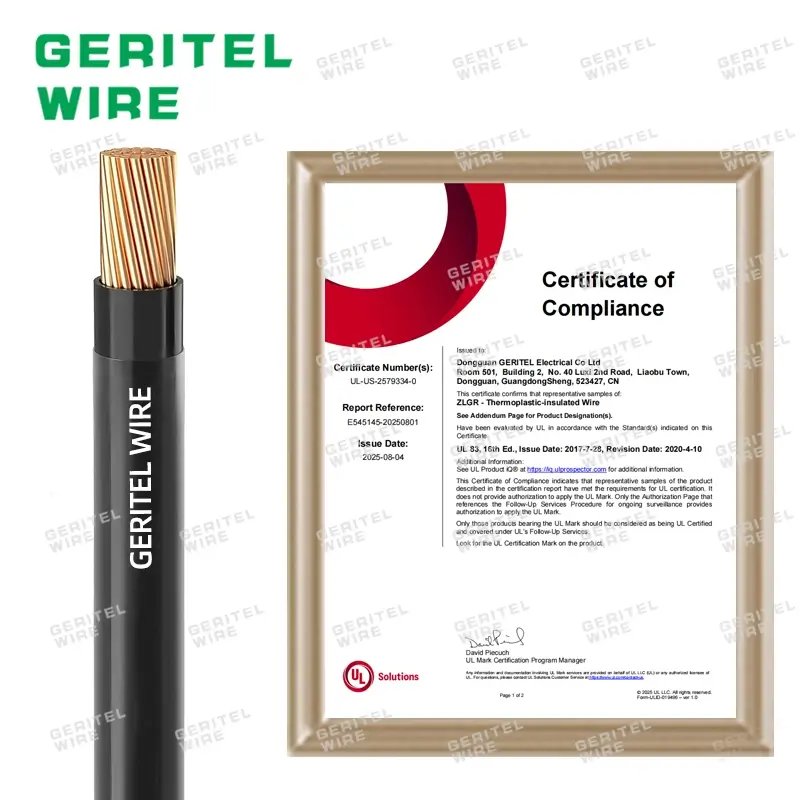
All our wires are certified and professionally tested, ensuring both safe installation and reliable performance. If you are unsure which wire type or size fits your project, our experts can recommend the exact specification based on your load and installation environment, providing a safe, efficient, and compliant solution.
Consult Our Experts: Contact us today to get professional guidance and select the right TFFN or THHN wire for your specific project needs.
Contact us:
Dongguan GERITEL Electrical Co., Ltd.
Email: manager01@greaterwire.com
Tel/WhatsApp/WeChat: +86 135 1078 4550 / +86 136 6257 9592
Feel free to contact us for compliant, high-quality THHN and TFFN cables solutions tailored to your project needs.
 Building Wiring Design Guide: UL83 THHN/THWN-2 Cable Applications



 Building 2, No. 40 Luxi 2nd Road, Liaobu Town, Dongguan City, Guangdong Province, China