


 Home
HomeInstallation Standards and Practical Tips for THHN/THWN-2 Cables
 GERITEL
 Mar 25,2026

THHN (Thermoplastic High Heat-resistant Nylon-coated) and THWN-2 (Thermoplastic Heat and Water-resistant Nylon-coated) cables are among the most popular choices for electricians and contractors. These high-quality, certified cables are designed to handle a variety of environmental and electrical conditions, making them ideal for both residential and industrial applications, including specialized uses like THHN wire for panel board wiring. Understanding the installation standards and adopting practical techniques ensures efficient, safe, and code-compliant electrical systems.
Understanding THHN/THWN-2 Cables
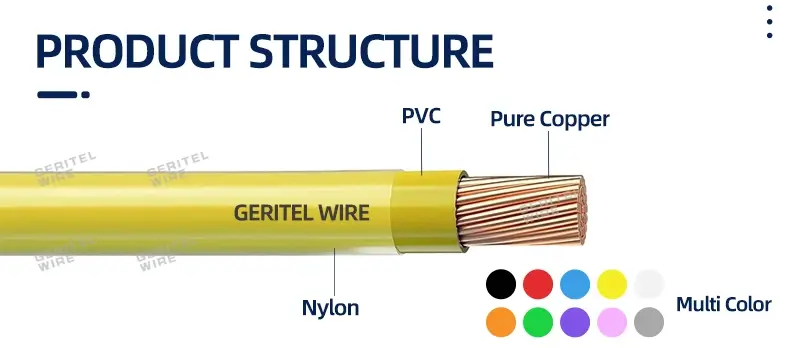
THHN and THWN-2 cables share similarities but are tailored for slightly different conditions. THHN is typically used in dry locations, whereas THWN-2 offers water resistance, making it suitable for wet locations. Both cables feature thermoplastic insulation with a durable nylon jacket, providing excellent mechanical strength and heat resistance—key attributes of THHN electrical cable UL listed products.
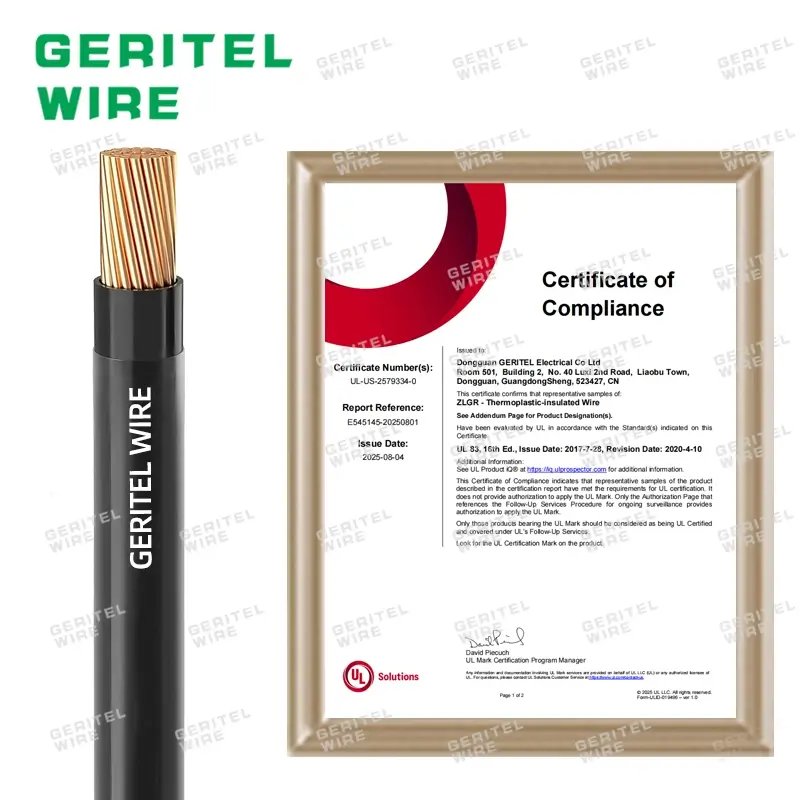
Choosing certified THHN/THWN-2 cables is crucial. Using cables with proper certifications ensures compliance with National Electrical Code (NEC) standards, reduces the risk of electrical failures, and provides peace of mind for contractors and end-users alike.
Key Installation Standards
Conduit Sizing and Fill
Proper conduit sizing is critical when installing THHN/THWN-2 cables. Overfilled conduits can lead to overheating and reduced lifespan. According to NEC guidelines, the maximum conduit fill for multiple conductors should not exceed 40% for more than two cables, ensuring proper ventilation and minimizing thermal buildup.
Temperature Ratings
THHN/THWN-2 cables typically have a 90°C insulation rating, making them suitable for high-temperature environments. However, derating may be necessary in conduit bundles or high ambient temperatures. Certified cables ensure that their temperature ratings are accurately tested, providing reliable performance under demanding conditions.
Bending Radius
Adhering to the recommended minimum bending radius is essential to prevent insulation damage. For THHN/THWN-2 cables, the bending radius should generally be at least eight times the cable diameter. Over-bending can compromise the integrity of the conductor and lead to premature failure.
Grounding and Bonding
Proper grounding is a key safety measure. When installing THHN/THWN-2 cables, ensure that all metallic conduit and cable trays are adequately grounded according to NEC Article 250. Using certified, professional-grade cables helps maintain system safety and reliability.
Environmental Considerations
THWN-2 cables are suitable for wet or damp environments, including outdoor conduits and underground installations. Selecting certified, high-quality THWN-2 cables ensures resistance to moisture, chemicals, and sunlight, extending the life of the electrical system.
Practical Tips for Installation
Labeling and Documentation
Always label THHN/THWN-2 cables clearly, especially in large projects. Maintaining accurate documentation helps future troubleshooting and system expansions. Certified cables often come with traceable markings, which can be beneficial for inspection purposes.
Pulling Techniques
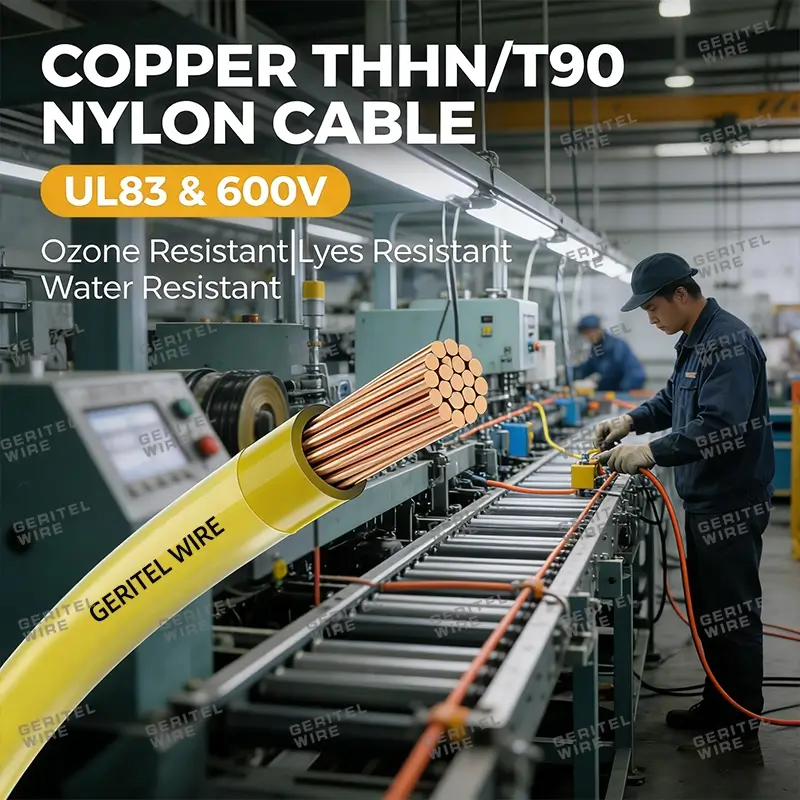
Use proper cable-pulling methods to avoid damaging insulation. Lubricants and mechanical pullers can be used for long runs. Always follow manufacturer-recommended tension limits. Professional contractors prefer certified THHN/THWN-2 cables because they are tested for durability under pulling stress.
Separation from Heat Sources
Avoid routing cables near heat-generating equipment unless the cables are rated for high-temperature exposure. Excess heat can degrade insulation over time, potentially causing failures.
Support and Securing
Support cables with clips or trays at regular intervals to prevent sagging or strain. NEC guidelines recommend supporting cables every 4–6 feet in horizontal runs. Certified cables often come with installation guidelines to ensure optimal support and longevity.
Splicing and Connections
Proper splicing and secure connections are critical. Use UL-listed connectors and follow manufacturer instructions. Certified cables are designed to maintain insulation integrity and conductivity during connections, minimizing electrical hazards.
Why Choose Certified THHN/THWN-2 Cables
Investing in certified, high-quality THHN/THWN-2 cables ensures compliance with electrical codes, improves installation efficiency, and enhances long-term reliability. Professional electricians prefer certified cables because they deliver consistent performance, reduce installation risks, and are backed by documented safety testing.
Moreover, certified cables come with technical support and installation documentation, providing contractors with peace of mind and allowing them to focus on project efficiency rather than troubleshooting substandard materials.
Conclusion
Installing THHN/THWN-2 cables according to established standards is essential for safe, efficient, and durable electrical systems. Following practical tips, such as proper conduit fill, bending radius, and support methods, ensures long-term reliability. Choosing certified, professional-grade cables further guarantees compliance with NEC standards, optimal performance, and peace of mind for both contractors and end-users.
Whether you are handling a residential, commercial, or industrial project, understanding THHN/THWN-2 cable installation standards and using certified products makes a significant difference in project quality, safety, and efficiency.
Contact us
DONGGUAN GERITEL ELECTRICAL Co., Ltd – safe cables for construction, industry, home.
⚡Tel/WhatsApp/WeChat: +86 136 6257 9592 / +86 135 1078 4550
⚡Email: manager01@greaterwire.com
 THHN/THWN-2 Cable Materials Explained: Copper Core, Insulation, and Jacket



 Building 2, No. 40 Luxi 2nd Road, Liaobu Town, Dongguan City, Guangdong Province, China