


 Home
HomeHow Environmental Conditions Affect PVC Insulated Power Cable Performance
 GERITEL
 Mar 19,2026

PVC insulated power cables are integral to Australia’s electrical and construction sectors, renowned for their cost-efficiency, versatility, and compliance with industry standards. As a professional supplier, we provide actionable insights into how Australia’s distinct environmental conditions influence the performance and longevity of these cables, alongside practical recommendations for industry professionals as industrial cable.
Below, we detail the most prevalent environmental conditions across Australia, their specific impacts on PVC insulated power cable performance, and tailored guidance for contractors, electricians, and project managers to ensure optimal cable reliability.
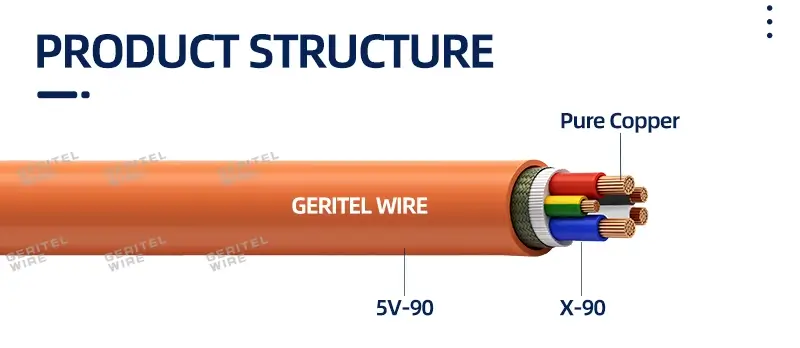
Key Environmental Conditions Affecting PVC Insulated Power Cables in Australia
PVC (Polyvinyl Chloride) insulation is durable, but vulnerable to environmental stress. Australia’s diverse climate—from hot outback to humid coasts—poses unique challenges that can degrade PVC over time, affecting cable performance and safety.
1. Extreme Heat & Temperature Fluctuations
Australia’s summer temperatures often exceed 35°C (some areas 45°C+). Standard PVC has a 70°C max operating temp; prolonged extreme heat softens insulation, reducing strength and causing cracks. Temperature fluctuations (hot days, cool nights) lead to repeated expansion/contraction, fatiguing PVC and risking insulation failure, which can cause shorts or outages.
2. UV Radiation (Sunlight Exposure)
Australia has high UV radiation levels; unprotected PVC cables degrade quickly in direct sunlight. UV rays break down PVC’s chemical bonds, making it brittle, discolored and prone to cracking—weakening protection against moisture and damage, and increasing leakage or short risks. Outdoor installations (solar farms, rural wiring) are most vulnerable.
3. Moisture & Humidity
Coastal/humid areas and underground installations expose cables to high moisture. While standard PVC is water-resistant, prolonged exposure (especially saltwater in coastal regions) can seep into small cracks, corroding conductors, reducing conductivity and risking short circuits. High humidity also accelerates PVC degradation.
4. Dust, Dirt & Physical Debris
Construction/industrial sites and rural areas are dusty, with debris that impacts cables. Dust traps heat, accelerating PVC degradation; sharp debris (rocks, metal shavings) can scratch/puncture insulation, creating moisture entry points and leading to failure—common on busy construction sites.
5. Chemical Exposure (Industrial & Coastal Areas)
Industrial zones and coastal areas expose cables to damaging chemicals: industrial sites have oils/solvents that soften/dissolve PVC; coastal salt spray corrodes insulation. These exposures cause rapid degradation, requiring specialized PVC formulations for such environments.
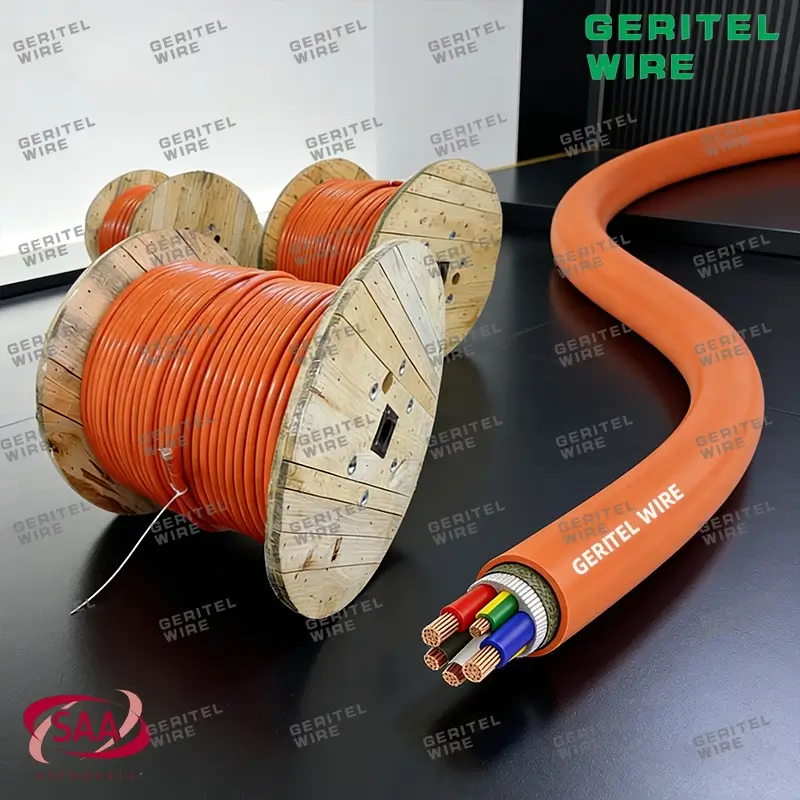
How to Mitigate Environmental Impacts on PVC Insulated Power Cables
Mitigate environmental impacts with these practical steps:
- Choose UV-Resistant PVC Cables: For outdoor installations, opt for PVC cables with UV stabilizers, which protect against sun damage and extend the cable’s lifespan.
- Select the Right Voltage Rating: For harsh environments (extreme heat, heavy moisture), the 0.6/1kV rating offers thicker insulation, providing extra protection against environmental stress.
- Protect Cables from Physical Damage: Use cable trays, conduits, or protective sleeves to shield cables from debris, sharp objects, and direct sunlight on construction sites.
- Opt for Specialized Formulations: For industrial or coastal areas, choose PVC cables with chemical-resistant or saltwater-resistant insulation to withstand harsh exposures.
Why Choose Our PVC Insulated Power Cables for Australian Environments?
As a professional supplier, we understand Australia’s environmental challenges. Our PVC insulated power cables (including orange options) are engineered to withstand local conditions, with: UV-stabilized insulation, thicker 0.6/1kV insulation for harsh environments, AS/NZS 5000 compliance, and specialized formulations for industrial/coastal areas.
- UV-stabilized PVC insulation to resist sun damage in outdoor installations.
- Thicker insulation for 0.6/1kV ratings, ideal for harsh environments and heavy loads.
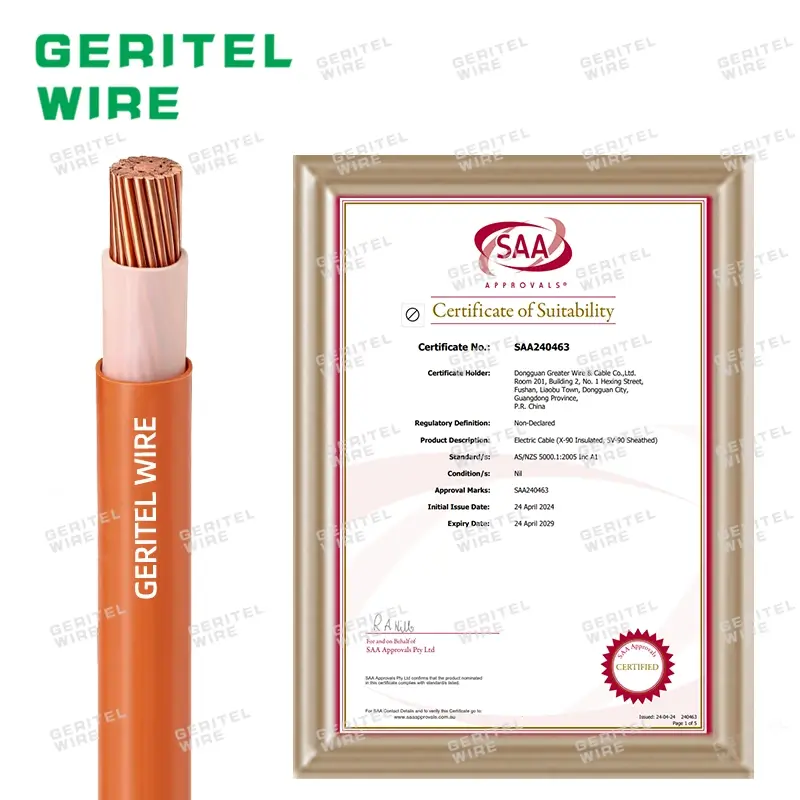
- Compliance with AS/NZS 5000 standards, ensuring safety and reliability in all conditions.
- Specialized formulations for industrial and coastal areas, protecting against chemicals and saltwater.
Conclusion
Australia’s environmental conditions (heat, UV, moisture, etc.) significantly impact PVC cable performance. Choosing the right cables—with UV protection, thicker insulation or specialized formulations—ensures reliability. Our tailored cables deliver safety, compliance and durability for all construction/electrical projects.
 Choosing Cables for Switchboards: Is Orange PVC Cable the Right Option?



 Building 2, No. 40 Luxi 2nd Road, Liaobu Town, Dongguan City, Guangdong Province, China