


 Home
HomeHonduras’ Patuca Solar Farm Project
 GERITEL
 Apr 07,2026

Project Background
In September 2025, Honduras commissioned its first state‑owned solar PV plant: the 50 MW Patuca Solar Farm in Terrero Blanco, Olancho. Operated by the national utility ENEE, it has over 74,000 PV modules and a 50 MWh battery storage system. The plant faces a tropical climate with temperatures above 40°C, intense UV, heavy rain, and high humidity. Cables must work outdoors, underground in wet ducts, and inside hot equipment shelters. ENEE also requires UL certification for all electrical materials.
We supplied THWN‑2, XHHW‑2, and PLTC. Below we explain why each model was chosen for specific subsystems.
1. THWN-2 building wire – AC power distribution inside the plant
What we used: THWN-2, UL 83, 600 V (suitable for 0.6/1 kV systems), 90°C wet/dry rating. Construction: stranded copper, PVC insulation with nylon jacket, VW‑1 flame rated.
Why we chose it:
The project has long underground conduit runs from inverter stations to switchgear – some over 200 meters. If we used ordinary building wire without a low‑friction jacket, pulling forces would damage the insulation or require expensive lubricants and larger crews. THWN‑2’s nylon jacket drastically reduces friction, so installation is faster and safer. This directly solved the conduit length problem.
The conduits often fill with water after heavy tropical rains. Many wires are only rated 60°C or 75°C in wet conditions, which would force us to derate the circuit. THWN‑2 carries a full 90°C rating in wet locations, meaning no current derating is needed. That allowed the same cable size to carry full load even in flooded ducts.
The plant’s control room and equipment shelters have poor ventilation; internal temperatures can reach 65°C. A standard 75°C wire would age quickly and risk fire. Because THWN‑2 is rated 90°C in dry locations as well, it handles the heat without degradation. The VW‑1 flame test also reduces fire spread – critical for ENEE’s safety requirements.
In short, the nylon jacket, 90°C wet/dry rating, and VW‑1 made THWN‑2 the right choice for internal AC power, lighting, and tracker motor supply.
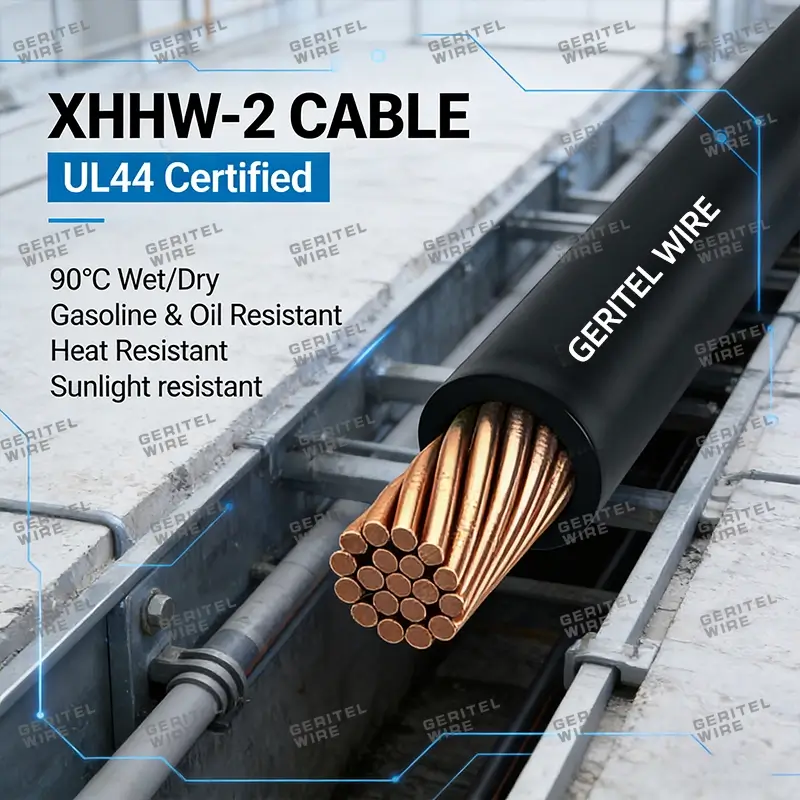
2. XHHW-2 power cable – outdoor and direct‑burial feeders
What we used: XHHW-2, UL 44, 600 V (0.6/1 kV class), 90°C continuous / 130°C emergency / 250°C short‑circuit, wet/dry. Construction: stranded copper, cross‑linked polyethylene (XLPE) insulation, sunlight‑resistant, direct‑burial approved, oil and chemical resistant.
Why we chose it:
A large part of the cable route runs in open cable trays under full tropical sun. Many cables require a separate black jacket for UV protection, but that adds weight and cost. XHHW‑2’s black XLPE insulation is inherently sunlight‑resistant (UV resistant). Because of this material property, we could install it directly on outdoor trays without any conduit or extra jacket, saving both material and labour.
Another section of feeders must be direct‑buried in rocky Olancho soil. Thermoplastic cables like THHN can be crushed or abraded by sharp stones. XHHW‑2 uses XLPE insulation, which is mechanically tougher and resists compression and abrasion. As a result, we could eliminate concrete‑encased duct banks for those feeders – a major cost reduction.
The battery storage area experiences high ambient heat plus additional warmth from the inverters. A standard 90°C cable would be adequate but leaves no margin for overloads. XHHW‑2 has a 130°C emergency overload rating. Because ENEE occasionally runs the storage system at maximum discharge during grid peaks, the cable can handle short‑term overloads without failure. The 90°C continuous rating still protects during normal operation.
Finally, the same XHHW‑2 cable is approved for wet locations. Underground ducts often collect water; the XLPE insulation does not absorb moisture, so no performance loss occurs. This single model worked for three different environments (sunny trays, direct burial, wet ducts), reducing inventory complexity.
3. PLTC instrumentation cable – tracking control and BMS signals
What we used: PLTC (Power‑Limited Tray Cable), UL 13, 300 V (Class 2/3 circuits), temperature range –30°C to 105°C. Construction: stranded copper, PVC insulation, overall foil shield with drain wire, sunlight‑resistant PVC jacket, flexible, flame‑retardant.
Why we chose it:
The solar tracking system requires precise position signals. Inverters and power electronics generate strong electromagnetic interference (EMI). Without shielding, the control signals would be corrupted, causing tracking errors or motor malfunctions. PLTC has a foil shield with a drain wire. Because of this shield, EMI is rejected, and the tracker receives clean signals. The cause (high EMI) led to the effect (choosing a shielded PLTC cable).
The battery management system (BMS) monitors each battery rack. False voltage readings could trigger unnecessary protection trips or hide a real fault. The same foil shield prevents noise from the power cables inside the BESS enclosure from coupling into the sensor wires. Therefore, PLTC’s shielding directly solved the signal integrity problem.
The combiner boxes and inverter cabinets are not air‑conditioned; internal temperatures can reach 85°C. Many instrument cables are rated only 60°C or 75°C, which would cause insulation softening and signal drift. PLTC is rated 105°C. Because of this higher temperature rating, we could route it near heat sinks and inside hot enclosures without derating or premature aging.
The tracking mechanism moves continuously. A stiff cable would fatigue and crack. PLTC with flexible stranded conductors and a flexible PVC jacket withstands millions of small bending cycles. That is why it works for the tracker application.
Olancho can have rare cold fronts; a cable rated only 0°C might become brittle. PLTC works down to –30°C, so cold weather does not affect start‑up. The sunlight‑resistant jacket allows installation in open trays, matching the plant’s design.
Summary of why our solution worked
THWN‑2 (600 V, 90°C, nylon jacket, VW‑1) was chosen because long wet conduits needed low friction and full wet‑rating. XHHW‑2 (600 V, 90/130°C, XLPE, UV‑resistant, direct‑burial) was chosen because outdoor trays, rocky direct burial, and overload margins required toughness, sunlight resistance, and high emergency temperature. PLTC (300 V, 105°C, foil shield, flexible, UV‑resistant) was chosen because EMI from inverters demanded shielding, high ambient temperature required 105°C rating, and moving trackers needed flexibility.
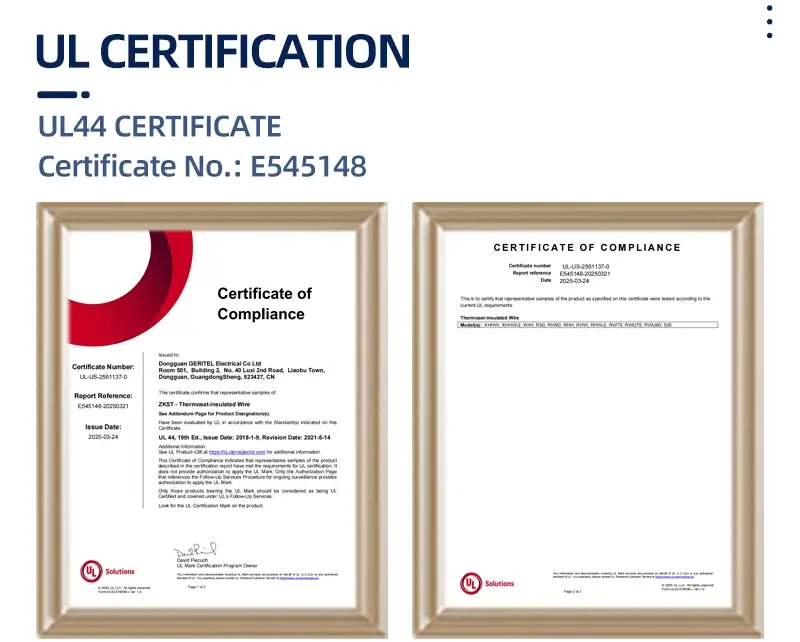
All three models carry active UL listings, satisfying ENEE’s mandatory certification. By matching each product’s specific property to a project pain point, we delivered a reliable, cost‑effective cable package for Honduras’ first state‑owned solar farm.
Customer Feedback
“We were impressed by the technical support and product quality. The THWN‑2 cables pulled smoothly through our longest underground conduits – no lubricant needed. XHHW‑2 survived direct burial in rocky ground and still tests perfect after one year of operation. PLTC completely eliminated the false BMS alarms we had with previous suppliers. All three have active UL listings, which made ENEE’s inspection process simple. This supplier understood our tropical climate and delivered exactly what the project needed.” – Senior Electrical Engineer, Patuca Solar Farm project team.
Tel/WhatsApp/WeChat: +86 135 1078 4550 / +86 136 6257 9592
Email: manager01@greaterwire.com
 La Libertad New Dock Project in El Salvador



 Building 2, No. 40 Luxi 2nd Road, Liaobu Town, Dongguan City, Guangdong Province, China