


 Home
HomeDifferences Between XHHW-2, RHW-2, and SIS Wire
 GERITEL
 Mar 23,2026

Selecting the right type of wire is critical to wiring electrical systems safely and efficiently. XHHW-2, RHW-2, and SIS wires are widely used in industrial, commercial, and residential projects. Understanding their differences ensures your project complies with safety standards while optimizing performance.
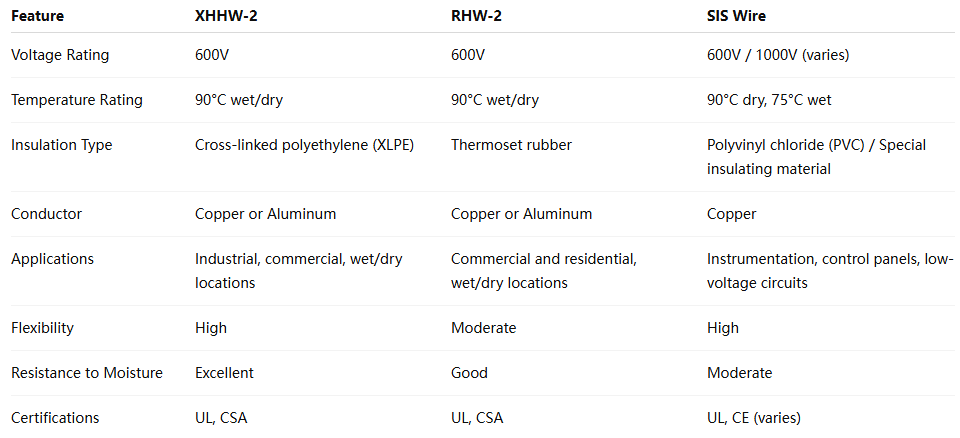
Key Differences at a Glance
XHHW-2 Wire: High Performance and Versatility
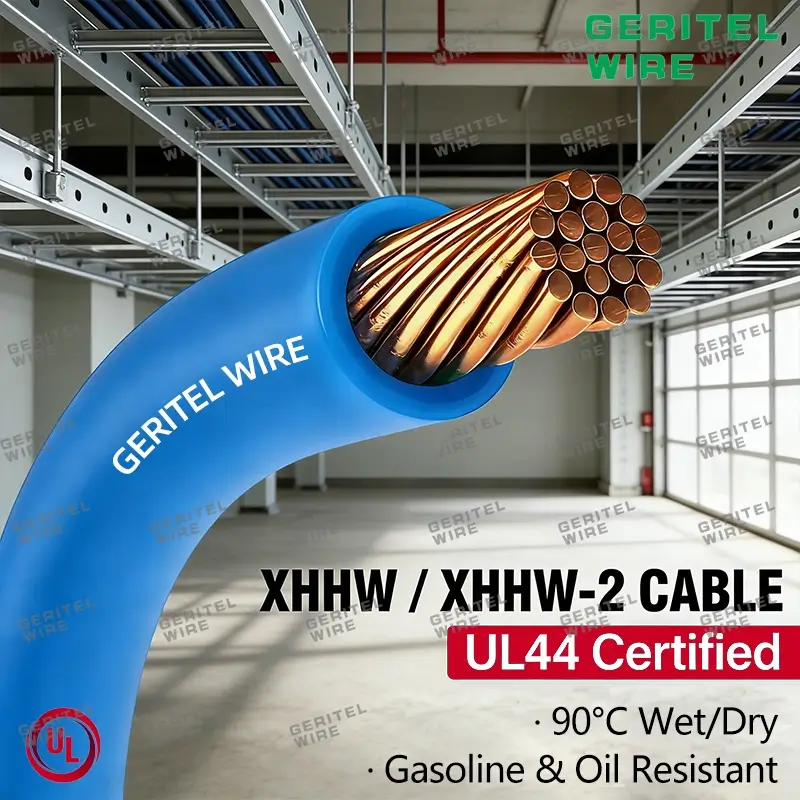
XHHW-2 (Cross-Linked High Heat-resistant Wire) is designed for environments that require high heat resistance and excellent moisture protection. Its XLPE insulation allows it to perform well in wet or dry conditions up to 90°C. XHHW-2 is commonly used in industrial and XHHW-2 cable for commercial projects, making it an ideal choice for engineers and contractors who need reliability and durability.
Key Benefits:
- High heat and moisture resistance
- Suitable for conduit and cable tray installations
- Compatible with both copper and aluminum conductors
RHW-2 Wire: Reliable for Wet and Dry Conditions
RHW-2 (Rubber High Heat-resistant Wire) is a thermoset-insulated wire suitable for wet and dry locations. With a temperature rating of 90°C and a voltage rating of 600V, it is commonly used in residential and commercial projects. While slightly less flexible than XHHW-2, RHW-2 still offers reliable performance in demanding environments.
Key Benefits:
- Thermoset insulation resists heat and abrasion
- Widely available and cost-effective
- UL certified for safety compliance
SIS Wire: Specialized for Low-Voltage and Control Circuits
SIS (Special Insulated Single-core) wire is engineered for low-voltage and control systems. Its PVC or specialized insulation makes it ideal for control panels, instrumentation, and internal wiring. SIS wires are particularly useful in projects requiring precision, flexibility, and safety in confined spaces.
Key Benefits:
- Flexible and easy to install in tight spaces
- Excellent for control and instrumentation circuits
- Available with UL or CE certification
Choosing the Right Wire
Choosing the appropriate wire depends on the specific application, environment, and regulatory requirements. Here are some practical guidelines:
- Wet environments: XHHW-2 is the best choice for prolonged exposure to moisture.
- Residential and commercial wiring: RHW-2 is a versatile, cost-effective solution.
- Control and instrumentation: SIS wires offer the precision and flexibility needed for complex low-voltage setups.
Why Choose Our Wires?
We pride ourselves on certified, high-quality wires backed by professional support.
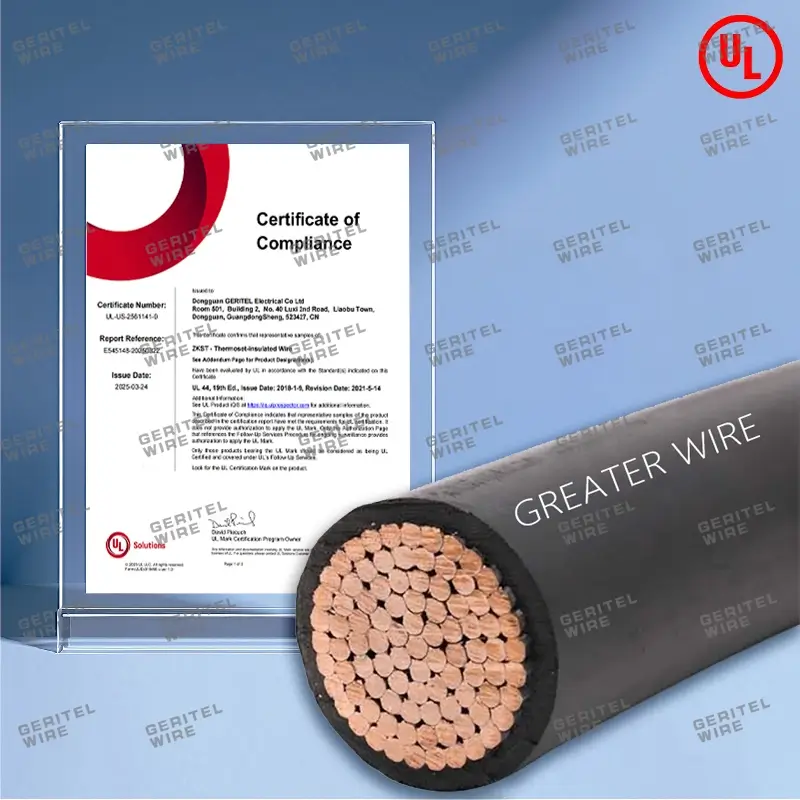
Certified Quality: All wires are certified, ensuring compliance with safety standards.
Professional Support: Our team of experts helps you select the right wire for your project.
Diverse Options: From XHHW-2 to RHW-2 and SIS wires, we have a full range to suit any application.
Durability: Our wires are designed to last, with excellent resistance to heat, moisture, and abrasion.
Investing in quality wiring ensures long-term safety and reliability, reducing maintenance costs and enhancing project performance.
Conclusion
Understanding the differences between XHHW-2, RHW-2, and SIS wires is crucial for any electrical project. Each wire type serves a specific purpose:
- XHHW-2: Industrial and wet/dry environments
- RHW-2: Reliable residential and commercial wiring
- SIS: Specialized low-voltage and control circuits
By choosing certified, professional-grade wires, you ensure your projects are safe, compliant, and efficient
Contact us
Trusted by many clients. DONGGUAN GERITEL ELECTRICAL Co., Ltd offers real quality and clear service.
⚡Tel/WhatsApp/WeChat: +86 136 6257 9592 / +86 135 1078 4550
⚡Email: manager01@greaterwire.com
 XHHW Wire Explained: Meaning, Uses, Sizes



 Building 2, No. 40 Luxi 2nd Road, Liaobu Town, Dongguan City, Guangdong Province, China