


 Home
HomeBest Practices for Pulling XHHW-2 Wire Through Conduit Safely
 GERITEL
 Jul 09,2026

Conduit pulling is one of the most critical yet error-prone steps for commercial and industrial electrical wiring. Even with high-quality UL Listed Copper XHHW-2 Wire, improper pulling techniques often cause insulation scratches, conductor distortion, hidden leakage risks, and costly on-site rework. Many contractors frequently ask Can Copper XHHW-2 Wire be used in conduit for standard and wet-location projects. As a high-performance 600V building wire, Copper XHHW/XHHW-2 Cable including the popular 8 AWG Copper XHHW-2 Wire is fully NEC and UL 44 approved for conduit and raceway installation. This guide focuses entirely on real job site challenges, delivering standardized pulling procedures, size-specific operational tips, and key mistake-avoidance rules to help electricians complete safe, damage-free, and code-compliant conduit wiring.
1. Is UL Listed Copper XHHW-2 Wire Allowed for Conduit Installation?
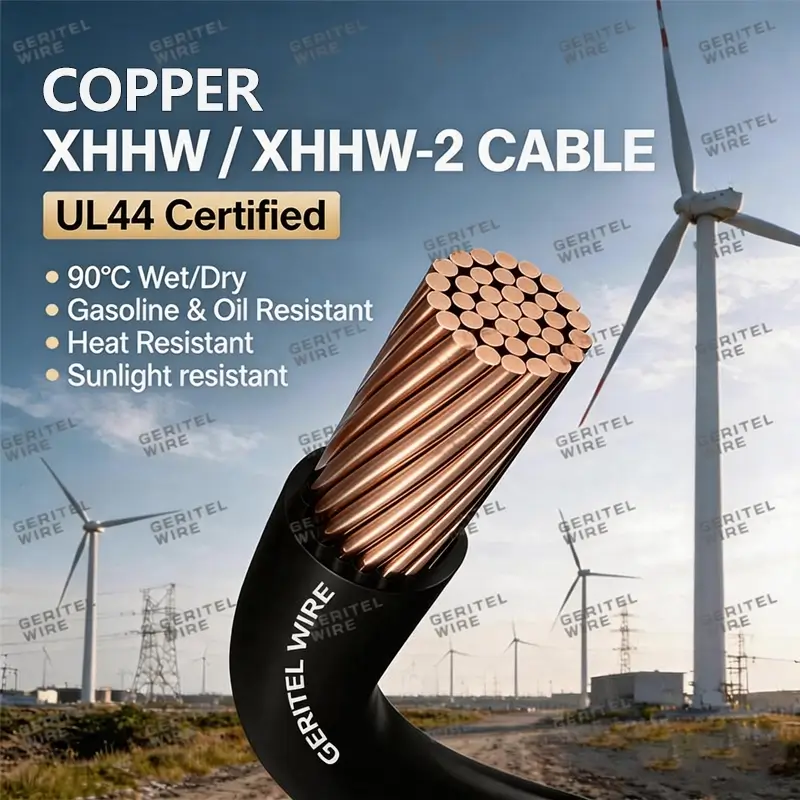
For on-site electrical construction teams, the first confirmation before wiring is always: Can Copper XHHW-2 Wire be used in conduit. According to NEC 2023 wiring specifications and UL 44 certification standards, all UL Listed Copper XHHW-2 Wire products are fully permitted for installation in rigid conduit, EMT conduit, IMC conduit, and standard raceway systems.
Different from ordinary building wires, professional Copper XHHW/XHHW-2 Cable adopts cross-linked polyethylene insulation with superior mechanical stability and environmental adaptability. It is not only suitable for conventional dry conduit laying but also supports long-term safe operation in humid, enclosed conduit environments. The commonly used 8 AWG Copper XHHW-2 Wire for commercial branch circuits has passed strict friction and tensile tests, fully meeting the mechanical requirements of conduit pulling construction.
2. Why XHHW-2 Cable Is Prone to Damage During Conduit Pulling
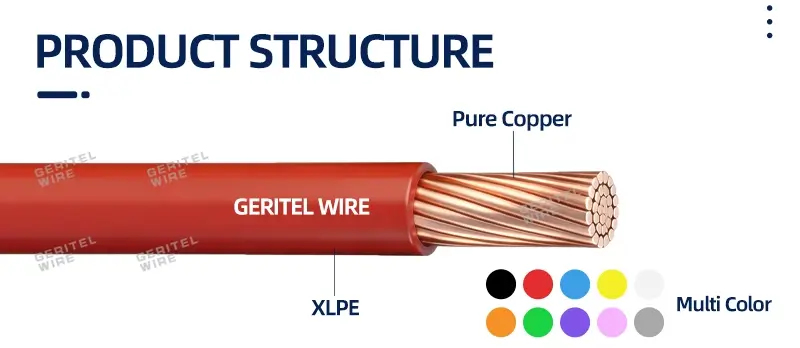
Although UL Listed Copper XHHW-2 Wire has excellent abrasion resistance, construction damage still occurs frequently on job sites, which is the core pain point of most wiring projects. Unlike rigid armored cables, Copper XHHW/XHHW-2 Cable features a flexible structure to adapt to complex wiring layouts, but its flexible XLPE insulation is vulnerable to scratch and tear under improper construction operations.
In actual construction scenarios, long-distance conduit, multi-angle elbow bending, unpolished conduit burrs, and simultaneous pulling of multiple wires will generate huge friction. In particular, the flexible 8 AWG Copper XHHW-2 Wire is lightweight and soft, making it easy to be squeezed and rubbed in dense conduit bundles, resulting in invisible insulation scratches that lead to later circuit leakage and safety hazards. Standardized pulling processes are therefore essential to maximize the structural advantages of XHHW-2 wire.
3. Step-by-Step Standard Process for Safe XHHW-2 Conduit Pulling
3.1 Complete Conduit Pre-Inspection and Cleaning
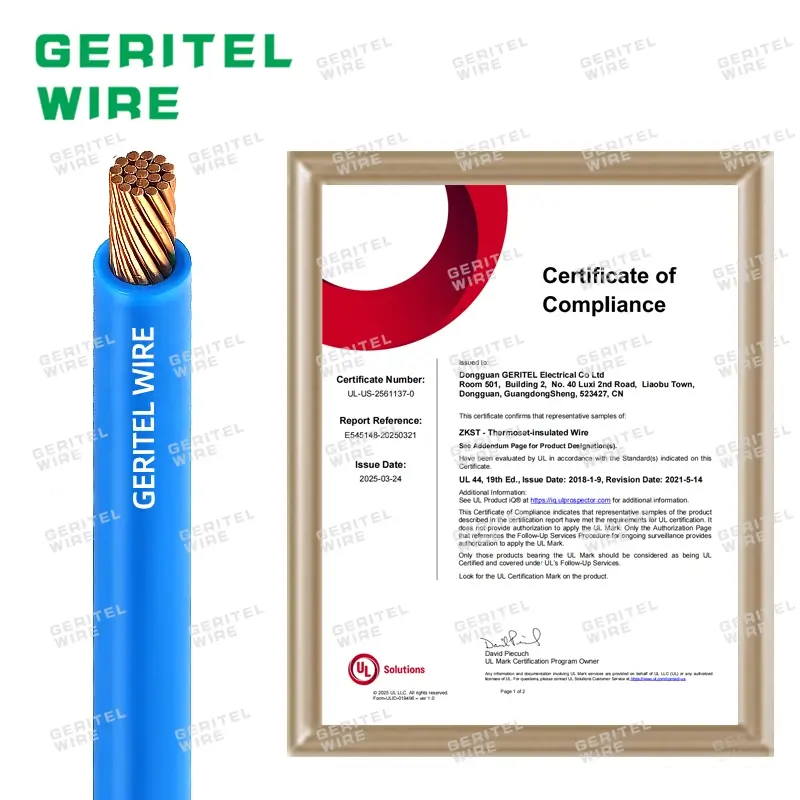
Before pulling any Copper XHHW/XHHW-2 Cable, thoroughly inspect the entire conduit pipeline. Remove internal welding slag, metal burrs, dust, and sundries, and polish sharp pipe openings and elbow joints. For humid underground conduit and long-bend pipelines where 8 AWG Copper XHHW-2 Wire is often laid, pre-cleaning can eliminate more than 70% of insulation friction damage risks, which is the most easily ignored but critical pre-construction step.
3.2 Apply Specialized UL-Approved Pulling Lubricant
Never perform dry pulling for long-distance or multi-bend conduit wiring. Apply professional wire-pulling lubricant evenly on the surface of UL Listed Copper XHHW-2 Wire to reduce surface friction coefficient. Lubrication can effectively protect the XLPE insulation layer, avoid peeling and scratching during pulling, and prevent copper conductor stretching. This step is mandatory for bundled laying of multiple Copper XHHW/XHHW-2 Cable wires.
3.3 Maintain Constant and Stable Pulling Tension
Strictly control the pulling force in accordance with NEC construction standards. Sudden jerking and excessive tension will deform the internal copper strands of XHHW-2 wire and damage the insulation structure. When constructing with 8 AWG Copper XHHW-2 Wire and other medium and small-gauge wires, maintain low-speed and uniform pulling force to ensure the wire passes through the conduit bend smoothly without extrusion damage.
3.4 Strictly Abide by Conduit Fill Ratio Standards
Overfilling is a common construction error. Follow NEC conduit fill specifications to reserve sufficient heat dissipation and sliding space for Copper XHHW/XHHW-2 Cable. Excess wires in a single conduit will cause severe extrusion friction, increased pulling resistance, and accumulated operating heat, which not only affects construction efficiency but also reduces the long-term service life of UL Listed Copper XHHW-2 Wire.
3.5 Seal Wire Ends for Anti-Pollution Protection
Seal the wire ends tightly before pulling to prevent external dust, moisture, and lubricant impurities from entering the conductor core. This operation keeps the internal structure of Copper XHHW/XHHW-2 Cable clean and stable, avoiding hidden electrical faults such as poor conductivity and partial discharge in subsequent operation.
4. Size-Specific Tips for Pulling 8 AWG XHHW-2 Wire Through Conduit
8 AWG Copper XHHW-2 Wire is the most commonly used specification for commercial building power branch circuits and small industrial equipment power supply lines. Due to its thin and flexible characteristics, it has unique construction requirements in conduit pulling compared with large-gauge wires.
When pulling single or multiple bundled 8 AWG XHHW-2 wires, avoid excessive twisting and overlapping inside the conduit. The flexible XLPE insulation of this specification is easy to fold and scratch in narrow bent pipes. It is recommended to pull in groups and control the number of single-tube wires strictly according to the fill ratio. In addition, for humid basement and outdoor buried conduit scenarios, the excellent wet-location resistance of UL Listed Copper XHHW-2 Wire can be fully utilized, and no additional waterproof wrapping is required, which greatly improves construction efficiency.
5. Top Field Mistakes That Ruin XHHW/XHHW-2 Cable Insulation
Summarizing years of on-site construction experience, most XHHW-2 wire damage is not caused by product quality problems but by non-standard construction operations. The following mistakes must be avoided in conduit pulling:
- Dry pulling wires without lubricant for long-distance multi-bend conduit runs, causing large-area insulation scratches
- Using unpolished damaged conduit with sharp inner edges to lay Copper XHHW/XHHW-2 Cable
- Blindly increasing the number of wires, resulting in serious conduit overfilling and excessive friction extrusion
- Pulling violently with instantaneous excessive tension, causing copper conductor stretching and wire core deformation
- Ignoring the wet-location characteristics of the project and adopting ordinary wire construction processes for UL Listed Copper XHHW-2 Wire
6. How to Reduce Conduit Friction & Avoid Rework on Site
To fundamentally avoid rework caused by wire damage, construction teams must prioritize friction control throughout the entire conduit pulling process. First, always match the wire quantity to official conduit fill limits to eliminate extrusion friction. Second, stick to consistent low-speed pulling force instead of sudden tension bursts. For multi-wire bundles containing 8 AWG Copper XHHW-2 Wire, grouping and staggered pulling effectively reduces overall resistance. Additionally, regular tool inspection and qualified pulling lubricants can greatly extend the service life of UL Listed Copper XHHW-2 Wire, ensuring stable performance in long-term wet and dry conduit environments.
FAQ About Pulling XHHW-2 Wire Through Conduit
Q1: Can Copper XHHW-2 Wire be used in conduit for wet locations?
A: Yes. All UL Listed Copper XHHW-2 Wire is rated for both wet and dry locations. It is fully code-compliant for installation in damp conduit, underground conduit runs, and basement enclosed pipeline systems, outperforming standard THHN-only wires that lack durable wet-location resistance.
Q2: Is 8 AWG Copper XHHW-2 Wire suitable for multi-bend conduit pulling?
A: Absolutely. 8 AWG Copper XHHW-2 Wire features flexible yet tough XLPE insulation, making it ideal for multi-bend commercial conduit layouts. With proper lubrication and controlled pulling tension, it can be routed smoothly through complex EMT and rigid conduit systems without insulation damage.
Q3: What makes Copper XHHW/XHHW-2 Cable better for conduit installation?
A: Copper XHHW/XHHW-2 Cable adopts cross-linked polyethylene insulation with superior abrasion resistance, tensile strength, and moisture resistance. Compared with ordinary building wires, it withstands long-distance friction and harsh enclosed conduit environments, delivering longer service life and safer operation.
Reliable UL Listed Copper XHHW-2 Wire Supplier
Dongguan GERITEL Electrical Co., Ltd. specializes in manufacturing high-quality UL Listed Copper XHHW-2 Wire and full-spec Copper XHHW/XHHW-2 Cable for global commercial and industrial electrical projects. We supply standard 8 AWG Copper XHHW-2 Wire and all common AWG sizes, strictly produced per UL 44 and NEC standards. All our wires feature durable XLPE insulation, stable electrical performance, and excellent pull resistance, perfectly suited for various conduit, raceway, wet and dry location wiring applications. We provide complete certification documents, professional technical guidance, fast delivery, and customized packaging to support your project construction and bulk procurement needs.
Contact Information
Dongguan GERITEL Electrical Co., Ltd.
Tel/WhatsApp/Wechat: +86 136 6257 9592
Tel/WhatsApp/Wechat: +86 135 1078 4550
Email: manager01@greaterwire.com
Website: www.geritelgroup.com
 XHHW-2 Wire for Feeder Circuits in Industrial Power Systems



 Building 2, No. 40 Luxi 2nd Road, Liaobu Town, Dongguan City, Guangdong Province, China