


 Home
HomeXHHW vs XHHW-2 Wire: What Is the Real Difference?
 GERITEL
 Mar 23,2026

When specifying building wire for a project, have you ever assumed that XHHW and XHHW-2 are essentially the same and can be used interchangeably without risk, only to later question whether that choice could affect safety, compliance, or long-term performance in demanding environments? This is a common concern among electricians, contractors, and procurement professionals, as both wire types appear similar at first glance, yet their real differences can significantly impact system reliability; in this guide, we break down those differences in a clear and practical way to help you select the right cable with confidence.
1. What Do XHHW and XHHW-2 Actually Mean?
To understand the real difference between XHHW and XHHW-2 wire, it is important to first decode their designations, since these letters directly reflect their construction and intended applications.
- X refers to cross-linked polyethylene, commonly known as XLPE insulation, which provides excellent thermal stability and chemical resistance
- HH indicates high heat resistance, making the wire suitable for elevated temperature environments
- W means the wire is approved for wet locations
- -2 represents an enhanced rating, particularly indicating improved performance in wet conditions
From a practical standpoint, XHHW is widely used as a general-purpose building wire, while XHHW-2 is engineered as a higher-performance variant designed to handle more demanding environmental and thermal conditions.
2. Structural Comparison: Materials and Manufacturing Matter
Although XHHW and XHHW-2 share a similar overall construction, their differences become more apparent when examining material quality and manufacturing processes, which directly influence performance and durability.
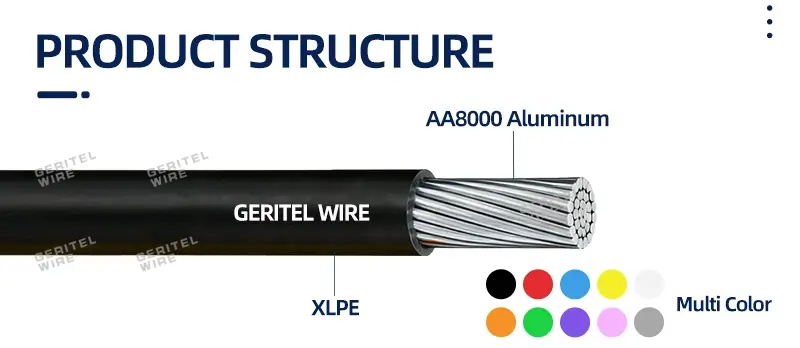
Both wire types typically utilize copper or aluminum conductors, allowing flexibility depending on conductivity requirements and budget considerations, while the insulation layer is based on XLPE insulation, a thermoset material known for its resistance to heat, moisture, and mechanical stress.
However, the key distinction lies in insulation formulation and cross-linking quality, as XHHW-2 is produced using more advanced processing techniques that improve molecular stability, resulting in better resistance to thermal deformation, moisture ingress, and long-term aging.
In addition, while neither wire typically includes a heavy outer jacket, the insulation layer in XHHW-2 is generally more robust and consistent, providing enhanced protection under harsh installation conditions.
3. Performance Differences That Define Real-World Use
Beyond structure, the most critical differences between XHHW and XHHW-2 wire lie in their performance ratings, which determine how they behave under real operating conditions.
- Temperature Ratings
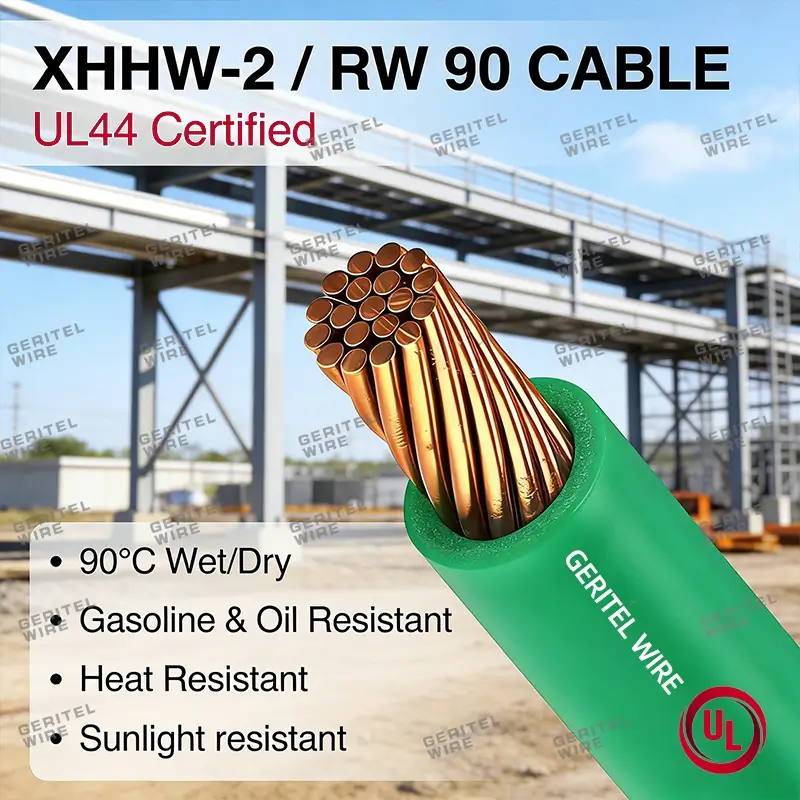
XHHW-2 electrical wire 600V cable is rated for 90°C in dry environments but only 75°C in wet locations, whereas XHHW-2 maintains a consistent 90°C rating in both dry and wet conditions, offering greater flexibility in system design
- Moisture and Weather Resistance
While both are suitable for wet locations, XHHW-2 provides enhanced resistance to long-term moisture exposure, making it more reliable in outdoor or humid environments
- Flame Retardancy
Both wires meet standard flame resistance requirements, but XHHW-2 typically demonstrates more stable performance under prolonged thermal stress due to improved insulation integrity
- Voltage Rating
Both XHHW and XHHW-2 are rated at 600V, making them suitable for low-voltage power distribution systems in commercial and industrial settings
These differences, although subtle in specification sheets, can lead to significant variations in safety margins, installation flexibility, and lifecycle performance.
4. UL 44 Certification: Why It Matters
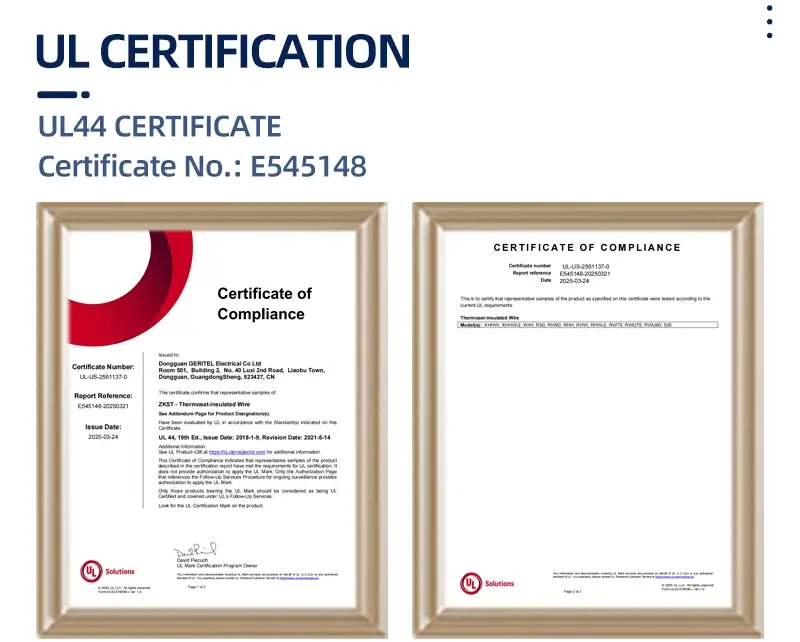
Both XHHW and XHHW-2 wires are manufactured in accordance with UL 44, which is the key standard governing thermoset insulated wires used in electrical installations across North America.
This certification ensures that the wire meets strict requirements in terms of insulation performance, heat resistance, mechanical strength, and safety compliance, all of which are essential for passing inspections and meeting project specifications.
The UL marking printed on the cable typically includes the wire type, temperature ratings, voltage class, and manufacturer identification, allowing installers and inspectors to quickly verify compliance on-site.
More importantly, XHHW-2 offers an advantage within the same UL 44 framework, as its higher wet temperature rating enables engineers to design systems with fewer constraints, particularly in environments where heat and moisture are both present.
5. Application-Based Recommendations
Choosing between XHHW and XHHW-2 should always be guided by actual installation conditions rather than assumptions, as different environments demand different performance levels.
5. 1 Indoor Dry Environments
For standard indoor applications such as commercial buildings, control panels, and conduit systems in dry areas, XHHW XLPE insulation electric wire provides a reliable and cost-effective solution without over-specifying performance.
5. 2 Wet, Outdoor, or Industrial Conditions
In locations exposed to moisture, sunlight, or higher ambient temperatures, such as rooftops, factories, or utility installations, XHHW-2 is the preferred choice due to its superior thermal and environmental resistance.
5. 3 Underground and Infrastructure Projects
For underground conduit systems or infrastructure projects where long-term durability is critical, XHHW-2 offers better protection against moisture and environmental stress, reducing the risk of premature failure.
6. Cost Consideration: Short-Term Budget vs Long-Term Value
From a procurement perspective, the decision between XHHW and XHHW-2 often involves balancing upfront cost against long-term performance benefits.
XHHW generally comes with a lower initial price, making it attractive for budget-sensitive projects with controlled environments; however, in applications where moisture, heat, or environmental stress are factors, the limitations of XHHW may lead to higher maintenance costs or earlier replacement.
On the other hand, XHHW-2, although slightly more expensive at the time of purchase, offers better durability, longer service life, and reduced risk of system downtime, which often translates into lower total cost of ownership over the lifespan of the installation.
7. Conclusion: Making the Right Choice for Your Project
While XHHW and XHHW-2 wires may appear similar in structure and specification, their real differences lie in temperature ratings, environmental resistance, and long-term reliability, all of which play a crucial role in ensuring safe and efficient electrical systems.
By understanding these distinctions and aligning your selection with actual project conditions, you can avoid common specification mistakes and ensure both compliance and performance.
Contact us today:
If you are looking for high-quality XHHW or XHHW-2 wire with consistent performance and reliable supply, Dongguan GERITEL Electrical Co., Ltd. is ready to support your projects with professional guidance and competitive solutions.
Tel / WhatsApp / WeChat: +86 135 1078 4550 / +86 136 6257 9592
Email: manager01@greaterwire.com
Contact us today to get detailed specifications, expert recommendations, and tailored quotations for your next project.
 XHHW-2 Aluminum Wire



 Building 2, No. 40 Luxi 2nd Road, Liaobu Town, Dongguan City, Guangdong Province, China