


 Home
HomeXHHW vs XHHW-2: Which One Should Be Used in Modern Installations?
 GERITEL
 Jul 07,2026

You are looking at a wire spec sheet. It says "XHHW." Next to it, another option says "XHHW-2." They look almost identical. The insulation is the same type. The voltage rating is the same. The price difference is small but noticeable.
So which one do you choose?
This is one of the most common questions in electrical construction today. The answer is not complicated—but getting it wrong can cost you time, money, and a failed inspection.
This article explains the real difference between XHHW and XHHW-2, when to use each, and why modern installations increasingly favor XHHW-2.
1. What Do XHHW and XHHW-2 Actually Mean?
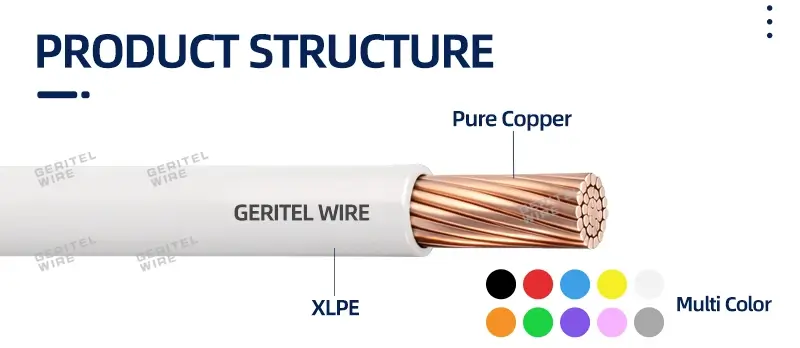
Both XHHW and XHHW-2 are thermoset-insulated building wires. The letters tell you what they are made for:
- X = Cross-linked (XLPE insulation)
- HH = High Heat resistance
- W = Water-resistant (suitable for wet locations)
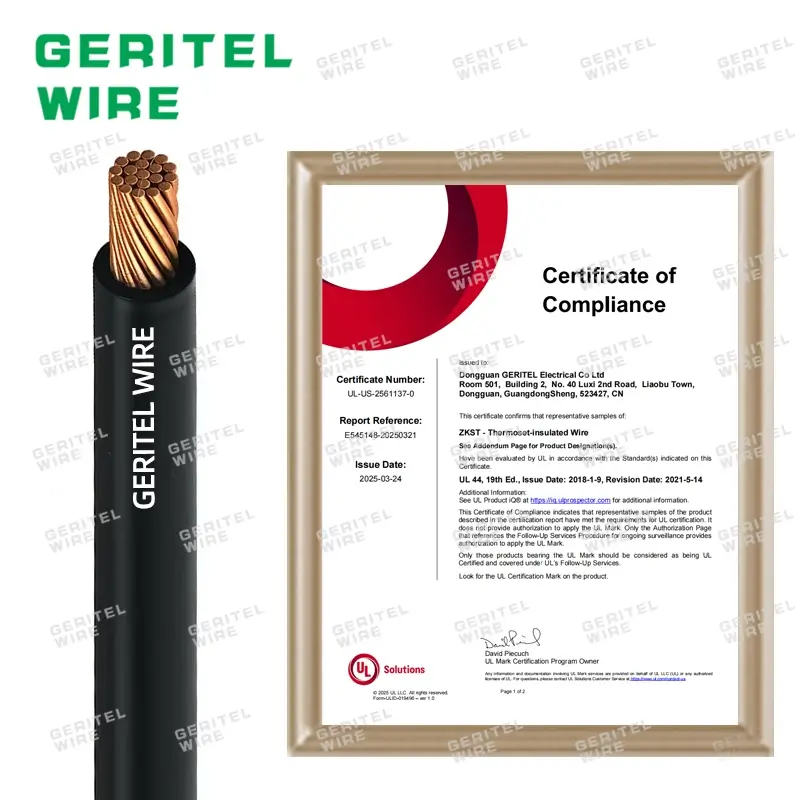
Both wires use the same XLPE (cross-linked polyethylene) insulation material. Both are rated 90°C in dry locations. Both are certified under UL 44 for thermoset-insulated wires.
The difference is one number: the "-2".
XHHW-2 is rated 90°C in both dry and wet locations. XHHW is only rated 90°C dry and 75°C wet.
That is it. Same insulation material, same dry rating, but a 15°C difference in wet locations.
The "-2" designation indicates the wire meets stricter requirements for wet location performance. Both are rated 600V and comply with NEC Article 310.13.
2. Why 15°C Makes a Real Difference
A 15°C difference may not sound like much. But in electrical installations, it matters.
Ampacity. The ampacity of a wire is directly tied to its temperature rating. In a wet location, XHHW must be sized using the 75°C ampacity column. XHHW-2 can use the 90°C column.
For example, a 4/0 AWG copper conductor in a wet location:
- XHHW (75°C): 230A
- XHHW-2 (90°C): 260A
That is a 30A difference—enough to affect whether you need to upsize the conductor or use parallel runs.
Installation flexibility. With XHHW-2, you do not need to derate for wet locations. You can use the same wire in dry and wet areas without recalculating ampacity. With XHHW, every wet location requires a separate check using the 75°C column.
Future-proofing. Modern buildings have mixed environments. A wire that runs through a dry electrical room may pass through a damp mechanical space or underground conduit. XHHW-2 handles all of it at 90°C. XHHW does not.
3. Where Each Wire Belongs
Use XHHW when:
- The installation is in a dry location only
- Budget is the primary concern
- The project is in a controlled indoor environment with no moisture exposure
- The wire will not be installed in underground conduit, outdoor runs, or damp areas
Use XHHW-2 when:
- The installation includes any wet or damp location
- The wire runs underground, outdoors, or through mechanical rooms
- The project requires future flexibility
- You want to avoid derating calculations for wet locations
- The installation is in a modern building with mixed environments
The XHHW-2 wire for wet locations is the safer choice whenever there is any doubt about moisture exposure. XHHW wire applications are best limited to dry indoor installations.
4. Three Common Sizes in Context
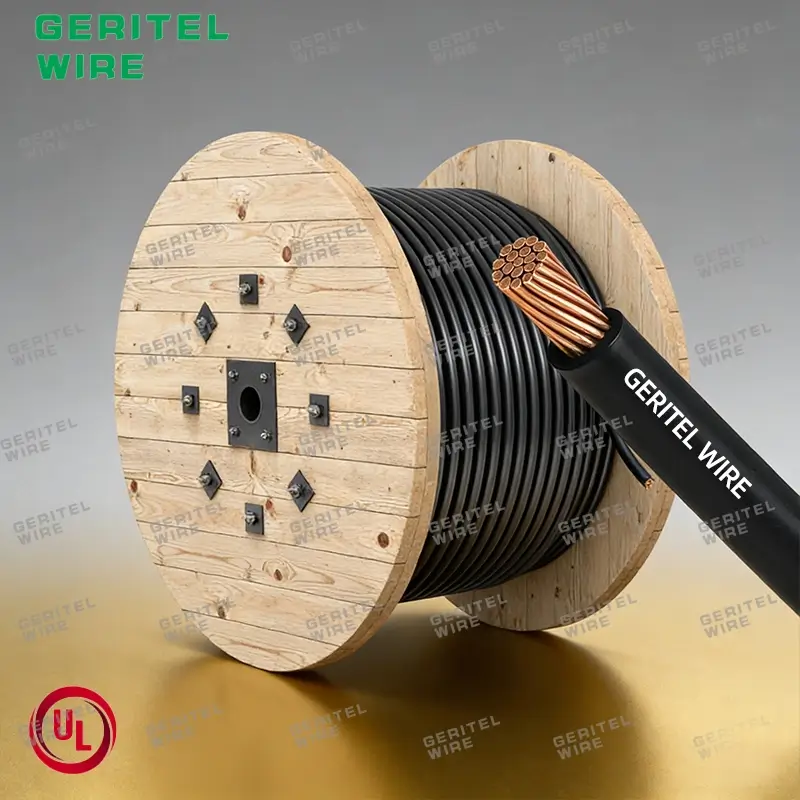
Here are three XHHW/XHHW-2 sizes commonly used in modern installations.
12 AWG XHHW-2 Wire – Branch Circuits and Lighting
This size is used for 20A branch circuits in commercial buildings, including lighting, receptacles, and small equipment. For dry indoor applications, XHHW works. But for any run that passes through damp areas—mechanical rooms, basements, or outdoor conduits—XHHW-2 is the better choice. The 90°C wet rating ensures full ampacity regardless of moisture.
4/0 AWG XHHW-2 Wire – Large Feeders and Service Entrances
This size is used for 200A feeders and service entrances in commercial and industrial buildings. These runs often go through underground conduits, outdoor transitions, and damp areas. XHHW-2 maintains its 90°C ampacity throughout. XHHW would require derating in wet sections, potentially requiring upsizing.
250 kcmil XHHW-2 Wire – Main Distribution Feeders
This size is used for large commercial main feeders and distribution panel supplies. These feeders often run long distances through mixed environments—dry electrical rooms, damp tunnels, outdoor transitions. XHHW-2 provides consistent performance across all conditions. XHHW would need careful segment-by-segment ampacity checks.
5. The Cost-Benefit Question
XHHW-2 typically costs slightly more than XHHW. The difference varies by manufacturer and market conditions, but it is generally modest.
Is it worth it?
For dry-only installations, XHHW is sufficient. You do not need to pay extra for a wet rating you will never use.
For any installation with wet or damp locations, XHHW-2 is worth the small premium. The reasons:
- You avoid the risk of using the wrong ampacity column
- You eliminate the need for derating calculations in wet areas
- You future-proof the installation against unknown conditions
- You simplify the spec—one wire type for all conditions
For XHHW vs XHHW-2 difference in real-world projects, the extra cost of XHHW-2 is often negligible compared to the cost of rework if the wrong wire is installed.
6. Modern Installations Favor XHHW-2
Modern electrical installations are more complex than ever. Buildings have mixed environments. Underground conduits are common. Rooftop installations see temperature extremes. Mechanical rooms are damp.
Specifying XHHW-2 simplifies everything. One wire type, one set of ampacity tables, one installation specification. No need to track which sections are wet and which are dry. No risk of using the wrong column in the ampacity tables.
Increasingly, engineers and contractors are specifying XHHW-2 as the default, only using XHHW when the application is strictly dry and cost is the overriding factor.
FAQ
Q1: What is the main difference between XHHW and XHHW-2?
The "-2" indicates XHHW-2 is rated 90°C in both dry and wet locations. XHHW is only rated 75°C in wet locations.
Q2: Can XHHW be used outdoors?
Yes, but only at 75°C ampacity in wet locations. If the outdoor installation is fully protected from moisture, the 90°C dry rating applies.
Q3: Is the insulation material the same for both?
Yes. Both use XLPE (cross-linked polyethylene) thermoset insulation. The difference is in the temperature rating, not the material.
Q4: Does XHHW-2 cost significantly more than XHHW?
The cost difference is generally modest. The exact difference varies by manufacturer and market conditions.
Need XHHW or XHHW-2 Wire for Your Project?
Tell us about your project—location, environment, and application. We will recommend the right wire type and send a quick quote.
Contact us
Dongguan GERITEL Electrical Co., Ltd.
Tel/WhatsApp/Wechat: +86 136 6257 9592
Tel/WhatsApp/Wechat: +86 135 1078 4550
Email: manager01@greaterwire.com
Website: www.geritelgroup.com
 Is Aluminum XHHW-2 Wire Safe for Building Power Distribution?



 Building 2, No. 40 Luxi 2nd Road, Liaobu Town, Dongguan City, Guangdong Province, China