


 Home
HomeXHHW vs THHN vs THWN Wire: Which Cable Should You Use?
 GERITEL
 Mar 23,2026

In real purchasing and installation scenarios, most buyers are not comparing “what a wire is,” but rather which wire fits their exact project conditions, especially when facing decisions like THHN,vs THWN vs XHHW for conduit, best wire for wet locations, or industrial power cable selection, because the wrong choice here directly affects safety, compliance, and long-term cost, so instead of listing features, the key is to break down how each parameter—insulation type, temperature rating, and environmental resistance—translates into actual usage scenarios.
XHHW vs THHN vs THWN: What the Key Parameters Mean in Real Applications
The core difference between THHN wire, THWN wire, and XHHW wire lies in insulation material and environmental adaptability, and this is where many decisions go wrong.
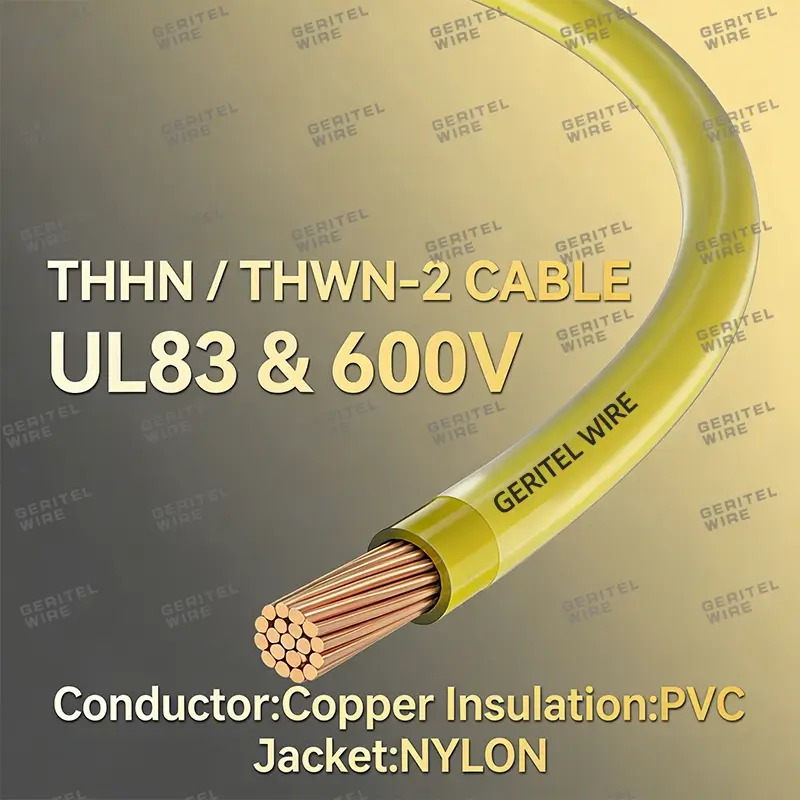
THHN uses thermoplastic insulation with a nylon jacket, which gives it strong heat resistance (up to 90°C in dry locations) and makes it ideal for indoor conduit systems, commercial buildings, and cost-sensitive projects where moisture is not a concern, so it frequently appears in searches like THHN wire for commercial wiring.
THWN, especially THWN-2, is designed for wet and damp environments, maintaining performance in underground conduits, outdoor installations, or humid industrial areas, which is why it is commonly selected for projects involving exposure to water, and buyers often look for THWN wire for underground conduit when dealing with these conditions.
XHHW, with its cross-linked polyethylene (XLPE) insulation, goes a step further by offering superior heat resistance, chemical resistance, and durability in both wet and dry environments, making it the preferred option for heavy-duty applications such as industrial power distribution, utility systems, and high-load circuits, where reliability outweighs initial cost.
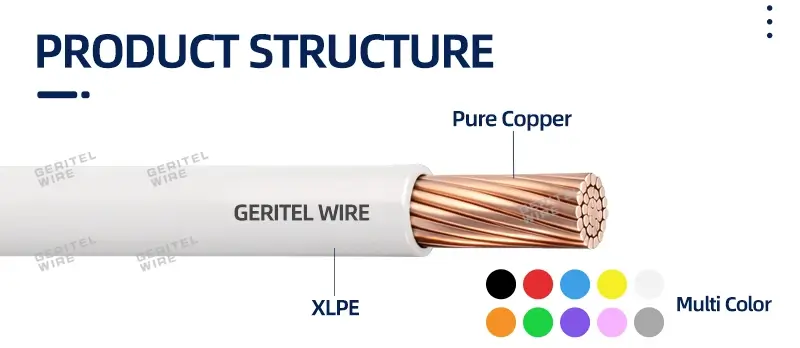
Which Wire Fits Your Application: Dry, Wet, or High-Demand Environments
If your project is inside a building, dry, and budget-sensitive, THHN industrial wire is usually sufficient and cost-effective, but once moisture becomes a factor—even slightly—THWN becomes the safer baseline choice, and when the project involves high temperatures, mechanical stress, or long service life requirements, XHHW industrial wire is often the better investment despite a higher upfront price.
In other words, THHN is optimized for cost efficiency, THWN for environmental adaptability, and XHHW for performance and durability, and understanding this positioning is what separates a standard purchase from a well-optimized electrical system.
What Risks Do You Face If You Choose the Wrong Wire
This is where the decision becomes critical, because using THHN in a wet environment can lead to insulation breakdown, increased risk of short circuits, and eventual system failure, while underestimating load conditions with the wrong wire type or size can cause overheating and reduce system lifespan, and on the other hand, over-specifying XHHW-2 electric wire power cable in simple indoor applications may not cause failure but will significantly increase project costs without delivering proportional value.
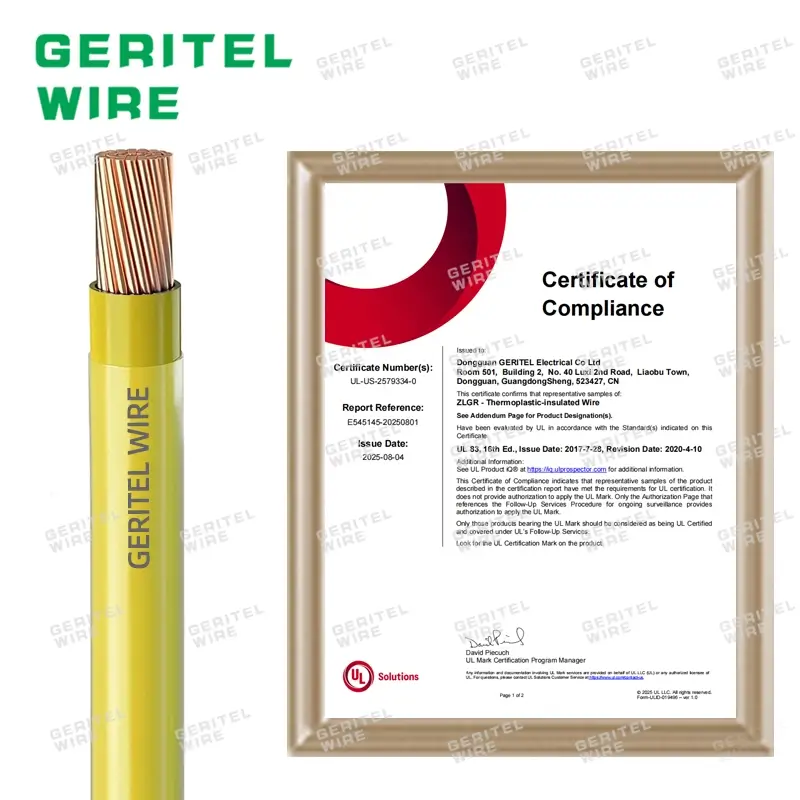
For contractors and project managers, these mistakes often translate into rework, compliance issues with UL or NEC standards, and delays, which is why many buyers prioritize UL certified wire manufacturers and professional cable suppliers who can ensure the right match from the beginning.
Wire Size Matters: Different Specifications Serve Completely Different Projects
Beyond type, wire gauge (AWG size) fundamentally changes who the product is for and how it is used, which is often overlooked.
For example, 14 AWG and 12 AWG are typically used by electricians working on residential and light commercial projects such as lighting and outlets, where flexibility and ease of installation matter more than extreme durability.
However, when you move to 8 AWG, 4 AWG, or larger sizes, the target users shift toward industrial contractors, EPC companies, and infrastructure projects, where cables are expected to handle higher currents, longer distances, and harsher environments, and in these cases, XHHW becomes far more common due to its performance advantages.
This is why searches like best wire size for industrial load or power distribution cable specification often lead to completely different product selections compared to standard building wiring.
Final Selection Guide: How to Match Cable Type with Load and Environment
If your installation is dry and cost-driven, THHN is the practical choice; if moisture or outdoor exposure is involved, THWN provides the necessary protection; and if your project demands high reliability, heat resistance, and long-term performance under stress, XHHW is the most suitable solution.
The key is not choosing the “best wire,” but choosing the right wire for the exact combination of environment, load, and lifespan expectations, which is where experienced, certified manufacturers add real value by offering consistent quality, compliance assurance, and technical guidance.
Contact us:
Dongguan GERITEL Electrical Co., Ltd.
Email: manager01@greaterwire.com
Tel/WhatsApp/WeChat: +86 135 1078 4550 / +86 136 6257 9592
Feel free to contact us for compliant, high-quality THHN / MTW / THWN-2 / T90 cables solutions tailored to your project needs.
 UL44 XLPE Insulated Wire: Advantages and Applications



 Building 2, No. 40 Luxi 2nd Road, Liaobu Town, Dongguan City, Guangdong Province, China