


 Home
HomeXHHW-2 Copper Wire vs Aluminum Wire: Which One Is Better?
 GERITEL
 Mar 23,2026

If you are standing at the purchasing stage comparing XHHW-2 copper wire vs aluminum wire, the decision usually comes down to a very practical question: Is your project prioritizing long-term reliability or upfront cost savings?
If your project involves commercial buildings, industrial facilities, or critical power distribution, where downtime, overheating, or voltage instability cannot be tolerated, then XHHW-2 copper wire is the safer and more stable choice; however, if you are handling large-scale feeder runs, budget-sensitive infrastructure, or long-distance transmission, aluminum may appear attractive due to its lower material cost, but it requires stricter engineering control and installation precision.
Quick conclusion:
High reliability & safety → choose copper
Budget-driven & large-scale → consider aluminum (with caution)
Core Differences That Directly Impact Your Project Outcome
When buyers search for “copper vs aluminum electrical wire” or “which conductor is better for power distribution”, what they really need is a clear connection between parameters and real-world performance.
Copper offers higher conductivity, which means smaller conductor size for the same current, resulting in easier installation, lower voltage drop, and better energy efficiency; aluminum, due to lower conductivity, must use larger sizes, which increases conduit fill and complicates installation.
From a mechanical perspective, copper is stronger and more flexible, while aluminum expands and contracts more under temperature changes, which can loosen connections over time if not properly installed.
From a thermal standpoint, copper generates less heat under load, making it more suitable for high-demand environments, whereas aluminum requires more careful load management to avoid overheating risks.
These are not just technical differences—they directly determine whether your system runs efficiently or becomes a long-term maintenance issue.
What Happens If You Choose the Wrong Wire?
Choosing the wrong conductor is not just a minor mistake—it can create cascading problems across your entire electrical system.
If aluminum is used in applications that require stable conductivity without proper sizing or connection treatment, it can lead to overheating, voltage drop, and loose terminations, eventually increasing the risk of equipment failure or even fire hazards.
On the other hand, if copper is overlooked purely due to price concerns in high-load environments, the system may suffer from higher operational losses, frequent maintenance, and reduced lifespan, especially when aluminum alternatives are pushed beyond optimal conditions.
In real projects, these mistakes often result in rework costs, project delays, and reputational damage, which far exceed the initial savings from choosing a cheaper material.
Going Deeper: Different Wire Sizes Serve Completely Different Buyers
One critical layer often ignored in “XHHW-2 wire selection” is that wire gauge (AWG or kcmil size) fundamentally changes who the product is for and how it should be used.
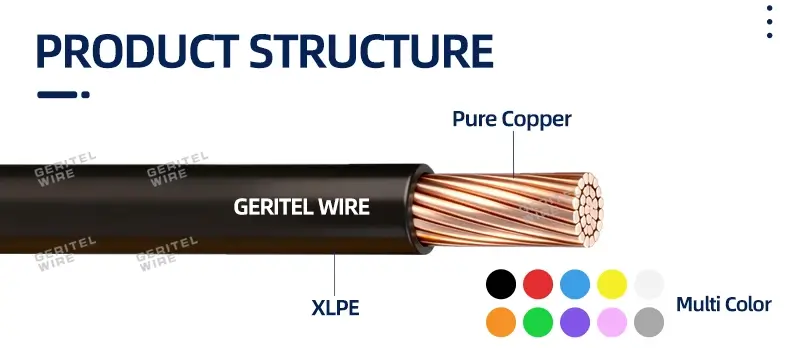
Smaller sizes, such as 12 AWG or 10 AWG XHHW-2 copper wire, are typically used by electricians and contractors for branch circuits, control wiring, and building interiors, where flexibility, ease of installation, and safety are priorities.
Mid-range sizes, such as 2 AWG to 4/0 AWG, are commonly selected by commercial builders and project managers for feeders and distribution panels, where the balance between performance and cost becomes more critical.
Large sizes, such as 250 kcmil and above, are usually specified by engineers and procurement teams for industrial systems or utility-scale projects, where aluminum conductors become more competitive due to weight and cost advantages, but only under strict design conditions.
This means the question is not simply copper vs aluminum, but rather which material at which size for which type of buyer and application, and making the wrong match here can lead to either overpaying or underperforming.
Cost vs Value: What Smart Buyers Actually Compare
While many buyers initially search for “copper vs aluminum wire cost”, experienced decision-makers evaluate total installed cost and lifecycle value, not just material price.
Copper reduces installation time, minimizes energy loss, and lowers maintenance frequency, which is why it is often chosen in projects where performance certainty matters more than initial savings.
Aluminum reduces upfront material cost, but may require larger conduit, specialized connectors, and more labor, which can offset the savings depending on project conditions.
For procurement teams managing long-term assets, copper often proves to be the more predictable and lower-risk investment.
Why Certification and Manufacturing Quality Cannot Be Ignored
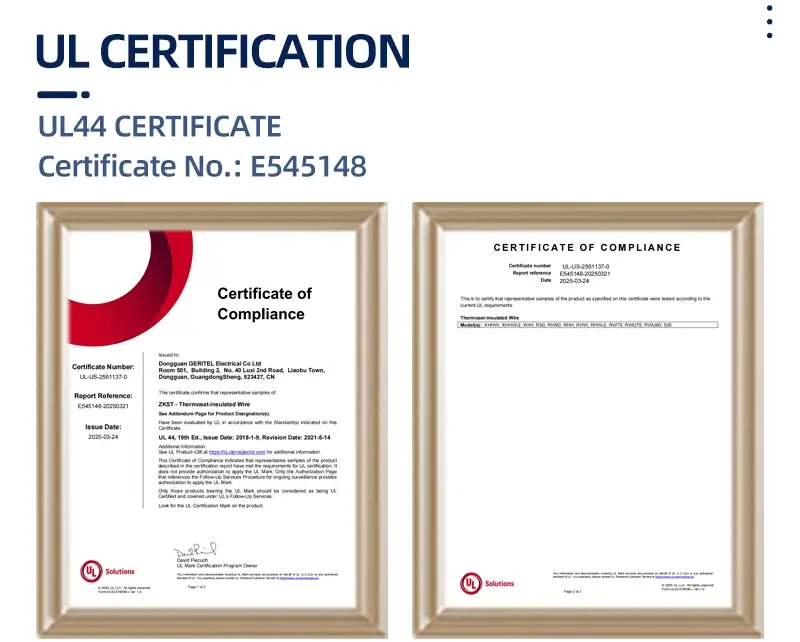
Another key factor behind searches like “UL certified XHHW-2 wire supplier” is risk control, because even the right material can fail if the manufacturing quality is inconsistent.
A professionally manufactured XHHW-2 conductor with certified XLPE insulation, strict quality control, and compliance with UL standards ensures stable performance under temperature, moisture, and load stress, which is essential for both copper and aluminum options.
Choosing a reliable supplier is not just about product delivery—it is about ensuring that the specifications you select actually perform as expected in real installations.
Final Recommendation: Which One Is Better?
If your project prioritizes safety, stability, and long-term performance, especially in demanding environments, XHHW-2 copper wire remains the better overall choice.
If your project is cost-sensitive, large-scale, and professionally engineered, aluminum can be a viable alternative—but only when correctly sized and installed.
In most real-world scenarios, copper provides greater margin for error, making it the preferred option for critical applications.
Need Help Choosing the Right Specification?
Every project has different load requirements, installation conditions, and budget constraints, which means there is no one-size-fits-all answer when selecting between copper and aluminum conductors.
If you are comparing options or preparing for procurement, we can help you evaluate the exact configuration that aligns with your project goals, ensuring that you choose not just the right material, but also the right size and standard for long-term performance and safety.
Contact Us
Dongguan GERITEL Electrical Co., Ltd. offers high-quality XHHW, THHN, and THWN wires, providing reliable and customized solutions for industrial, commercial, and residential projects.
Phone: +86 136 6257 9592
Email: manager01@greaterwire.com
Website: www.greaterwire.com
 UL44 Building Wire Guide: XHHW-2, RHW-2, and RHH Applications



 Building 2, No. 40 Luxi 2nd Road, Liaobu Town, Dongguan City, Guangdong Province, China