


 Home
HomeWhy XLPE Insulation Makes XHHW-2 Wire More Durable and Reliable
 GERITEL
 Jul 07,2026

You have seen the spec sheets. You have heard the term “XLPE.” You know XHHW-2 is supposed to be better than THHN. But do you know why?
The answer starts at the molecular level. XHHW-2 uses XLPE insulation—cross-linked polyethylene. This single material choice is what makes XHHW-2 more durable, more reliable, and longer-lasting than thermoplastic alternatives.
This article explains why XLPE insulation gives XHHW-2 wire its superior performance, and why it matters for real-world electrical installations.
1. XLPE: Thermoset vs. Thermoplastic – The Molecular Difference
The difference between XLPE and PVC is not just marketing—it is chemistry.
- Thermoplastic (PVC). Used in THHN and THWN-2, PVC is a thermoplastic. Thermoplastics soften when heated and harden when cooled. They can be melted and reshaped repeatedly. The problem? In high-temperature conditions, PVC can soften and deform. Over time, heat cycles cause it to age and become brittle.
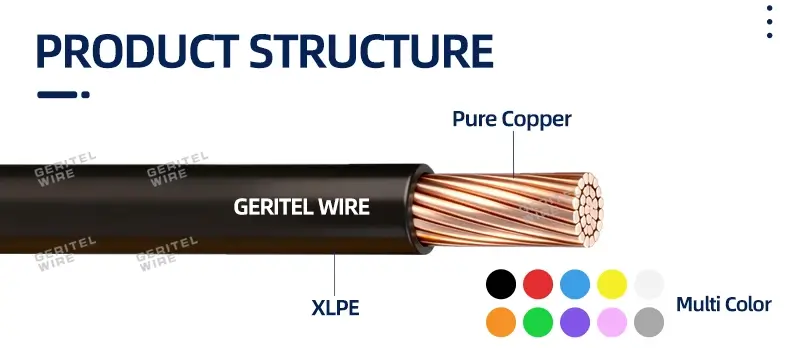
- Thermoset (XLPE). Used in XHHW-2, XLPE is a thermoset material. During manufacturing, a chemical reaction cross-links the polymer chains. Once cured, XLPE cannot be remelted or reshaped. It retains its shape and properties even under extreme heat.
This is the fundamental difference. Thermoplastic PVC can soften and flow when heated. Thermoset XLPE maintains its integrity. The cross-linked molecular structure of XLPE provides superior resistance to heat, chemicals, and mechanical stress. XHHW-2 wire durability starts at this molecular level. The cross-linked structure does not break down under heat stress the way thermoplastic does.
2. Heat Resistance: XLPE Handles What PVC Cannot
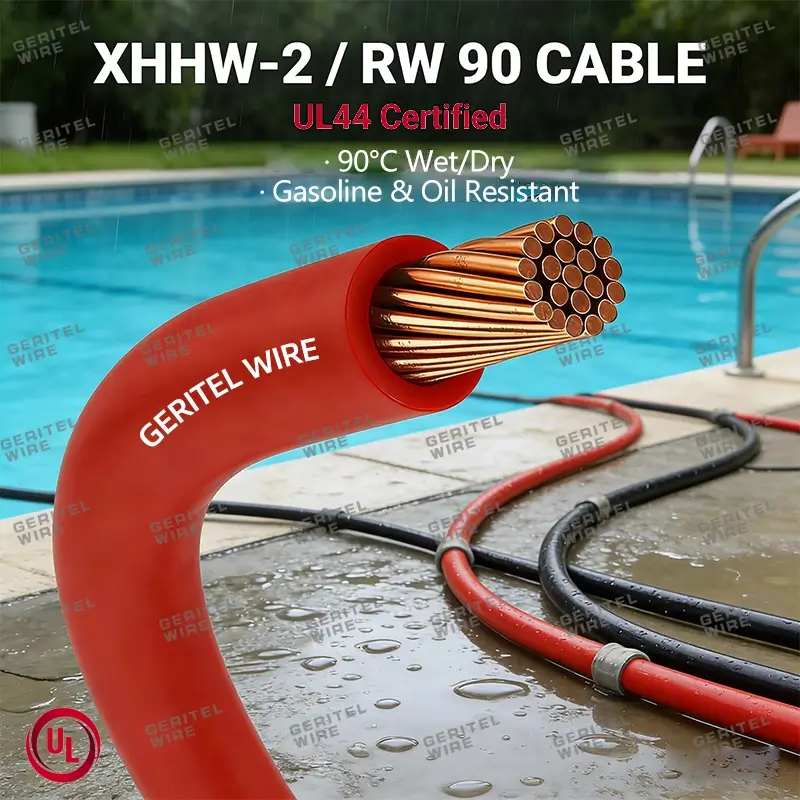
Temperature is the biggest enemy of wire insulation. Every 10°C increase in operating temperature can cut insulation life in half. XLPE is designed to handle heat that would destroy PVC.
XHHW-2 temperature ratings:
- Normal operation: 90°C wet and dry
- Emergency overload: 130°C
- Short circuit: 250°C
Compare to PVC. Under short circuit conditions, XLPE can withstand 250°C for one second. PVC can only handle 160°C for one second. PVC also has a lower overload capacity under emergency conditions.
In practical terms, this means XHHW-2 with XLPE insulation can carry more current in the same size and handle temporary overloads without failing. For circuits that experience heavy loads or voltage spikes, XLPE provides a safety margin that PVC cannot match. A XLPE insulated XHHW-2 wire is rated for 90°C in both wet and dry locations. This is a critical advantage for installations in hot environments—boiler rooms, rooftop equipment, industrial processing areas.
3. Moisture Resistance: XLPE Does Not Absorb Water
Moisture is another major cause of insulation failure. Water ingress degrades insulation, reduces resistance, and leads to ground faults.
XLPE has low moisture absorption. It does not absorb water like some other insulation materials. This makes XHHW-2 suitable for wet locations—underground conduits, outdoor installations, washdown areas, and damp industrial environments.
XHHW-2 is rated 90°C in wet locations. THHN, by contrast, is only 75°C wet unless dual-rated THWN-2. In a wet environment, the ampacity of XHHW-2 remains higher than THHN of the same size. For a thermoset XHHW-2 cable, the moisture resistance is built into the material itself. The cross-linked structure does not allow water to penetrate and degrade the insulation from the inside.
4. Chemical and Abrasion Resistance
Industrial environments are full of hazards that attack wire insulation: oils, solvents, ozone, acids, and physical abrasion.
XLPE insulation provides superior resistance to:
- Chemicals and oils. XLPE resists degradation from oils, solvents, and industrial chemicals. In factories, refineries, and processing plants, this extends cable life significantly.
- Ozone. XLPE does not crack or degrade from ozone exposure, a common problem in electrical rooms with high voltage equipment.
- Abrasion. XLPE is tougher and more resistant to physical wear than PVC. It withstands pulling through conduit, contact with sharp edges, and mechanical stress during installation.
XHHW-2 wire durability in harsh environments comes directly from XLPE's resistance to these attack vectors. A wire that resists chemicals, abrasion, and ozone lasts longer—plain and simple.
5. Cold Weather Performance
Heat is not the only temperature challenge. Cold weather is equally demanding on wire insulation.
THHN/THWN-2 has limitations. Thermoplastic PVC stiffens and becomes brittle at low temperatures. Below 14°F, PVC cables can crack and break.
XHHW-2 has a clear advantage. XLPE remains functional down to -40°F. It maintains its flexibility and strength in extreme cold. This makes XHHW-2 the preferred choice for outdoor installations in cold climates, winter construction projects, and refrigerated facilities.
The XHHW-2 wire durability in cold conditions means fewer installation problems, less damage during pulling, and longer service life in cold environments.
6. Fire Safety: Less Toxic Smoke
Fire safety is a growing concern in modern buildings. When wire insulation burns, it releases smoke and toxic gases.
PVC problem. When PVC burns, it emits toxic smoke. In enclosed spaces—offices, hospitals, schools, transit systems—this poses a serious health risk to occupants.
XLPE advantage. XLPE produces far less toxic smoke than PVC when burned. This makes XHHW-2 a safer choice for indoor installations where people are present. It is also hospital-grade rated, with lower leakage current than thermoplastic alternatives.
7. Three Common XLPE XHHW-2 Sizes
Here are three XHHW-2 sizes that benefit from XLPE insulation in real-world applications.
10 AWG XHHW-2 Wire – Branch Circuits and Small Equipment
For 30A branch circuits in industrial and commercial settings, 10 AWG XHHW-2 provides the durability needed for harsh environments. The XLPE insulation handles heat from continuous loads, resists moisture in damp locations, and stays flexible in cold conditions. When PVC would degrade, XLPE keeps performing.
2 AWG XHHW-2 Wire – Sub-Feeders and Medium Equipment
For 100A sub-feeders, 2 AWG XHHW-2 delivers reliable power in mixed environments—dry electrical rooms, damp mechanical spaces, and outdoor transitions. The XLPE insulation ensures full 90°C ampacity everywhere the wire goes, not just in dry sections. For a XLPE insulated XHHW-2 wire, this consistency is a key advantage.
250 kcmil XHHW-2 Wire – Large Feeders and Main Distribution
For 200-250A main feeders, 250 kcmil XHHW-2 carries heavy loads over long distances. The XLPE insulation withstands the heat generated by high current and provides the chemical resistance needed in industrial environments. The 90°C wet rating ensures full capacity in underground conduits and damp areas.
FAQ
Q1: What does XLPE stand for and why does it matter?
XLPE stands for cross-linked polyethylene. It is a thermoset insulation material that is chemically cross-linked during manufacturing. Once cured, it cannot be remelted or reshaped, providing superior heat, moisture, and chemical resistance.
Q2: Is XHHW-2 more expensive than THHN?
Yes, XHHW-2 typically costs more upfront than THHN/THWN-2. However, its longer lifespan, durability, and reduced risk of failure often make it the more economical choice over the life of the installation.
Q3: Can XHHW-2 be used outdoors?
Yes. XHHW-2 with XLPE insulation is suitable for outdoor installations. It is rated for wet locations and sunlight-resistant (for 8 AWG and larger), making it ideal for exposed outdoor runs, rooftop installations, and underground conduits.
Q4: Does XLPE insulation perform better in cold weather than PVC?
Yes. XHHW-2 with XLPE insulation remains flexible down to -40°F. PVC-based insulation like THHN becomes brittle and can crack below 14°F. This makes XHHW-2 the better choice for cold climates and winter installations.
Need XLPE XHHW-2 Wire for Your Project?
Tell us about your project—environment, load, and installation conditions. We will recommend the right XHHW/XHHW-2 wire and send a quick quote.
Contact us
Dongguan GERITEL Electrical Co., Ltd.
Tel/WhatsApp/Wechat: +86 136 6257 9592
Tel/WhatsApp/Wechat: +86 135 1078 4550
Email: manager01@greaterwire.com
Website: www.geritelgroup.com
 Top Applications of XHHW-2 Wire in North American Construction Projects



 Building 2, No. 40 Luxi 2nd Road, Liaobu Town, Dongguan City, Guangdong Province, China