


 Home
HomeWhat Is UL44 Wire? Complete Guide to Thermoset Insulated Building Wire
 GERITEL
 Mar 23,2026

In modern construction projects, whether you are a contractor managing a commercial facility or an electrician responsible for safe installations, one recurring challenge is finding a building wiring wire that can withstand demanding environments while meeting strict safety codes, since overheating, insulation failure, and compliance risks can easily lead to costly rework or even serious hazards. This is exactly where UL44 wire, also known as thermoset insulated building wire, becomes highly relevant, because it is specifically engineered to deliver superior thermal resistance, durability, and code compliance in applications where standard wires may fall short.
1. What Is UL44 Wire?
UL44 wire refers to a category of electrical wires defined under the UL44 standard, which governs thermoset insulated building wire used primarily for power distribution in residential, commercial, and industrial buildings, and unlike thermoplastic-insulated wires, UL44 wires utilize cross-linked insulation materials that do not melt under high temperatures, thereby providing enhanced stability and safety.
Common types under UL44 include XHHW, XHHW-2, and RHW wires, all of which are widely recognized as UL44 certified cable solutions designed to meet stringent performance requirements, especially in environments where heat resistance, moisture resistance, and long-term reliability are essential.
2. UL44 Wire Structure and Key Components
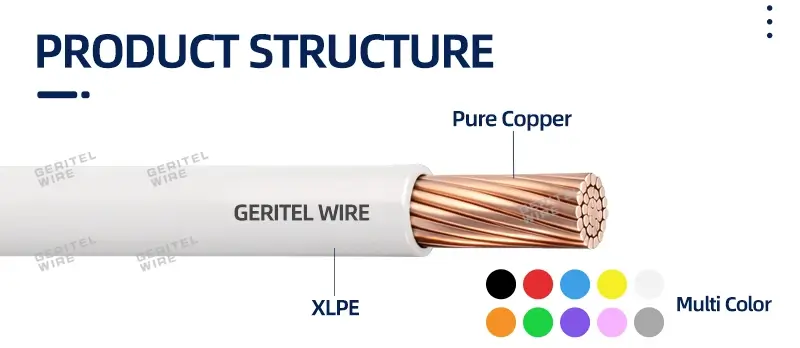
Understanding the structure of UL44 wire helps explain why it performs better than many conventional alternatives, since each layer is designed with a specific function that contributes to overall safety and durability.
2. 1 Conductor
The conductor is typically made of high-conductivity copper or aluminum, and it is engineered to ensure efficient current transmission with minimal resistance, while also offering flexibility for easier installation in conduits and tight spaces.
2. 2 Thermoset Insulation Layer
The defining feature of UL44 wire lies in its thermoset insulation, which is usually cross-linked polyethylene (XLPE) or similar materials, and unlike thermoplastic insulation, this material undergoes a chemical cross-linking process that permanently enhances its thermal and mechanical properties.
This means the insulation will not soften or deform under high temperatures, and it maintains structural integrity even during overload conditions, which significantly reduces the risk of insulation failure, short circuits, or fire hazards.
2. 3 Outer Protective Layer (Optional)
Depending on the specific type, some UL44 wires may include an additional protective layer that enhances resistance to abrasion, moisture, chemicals, and sunlight exposure, making them suitable for both indoor and outdoor installations.
2. 4 Voltage and Performance Ratings
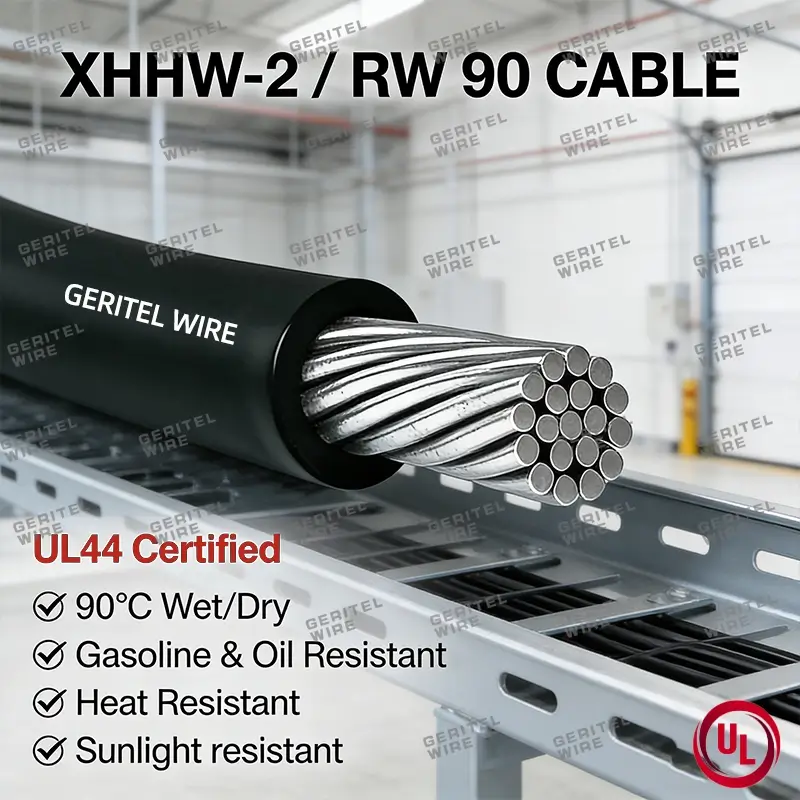
UL44 wires are typically rated for 600V applications, and many variants such as XHHW-2 XLPE electric wire 600V cable are designed to operate continuously at higher temperatures, often up to 90°C in both wet and dry conditions, which further reinforces their suitability for demanding environments.
3. UL44 Certification Standard and Its Core Value
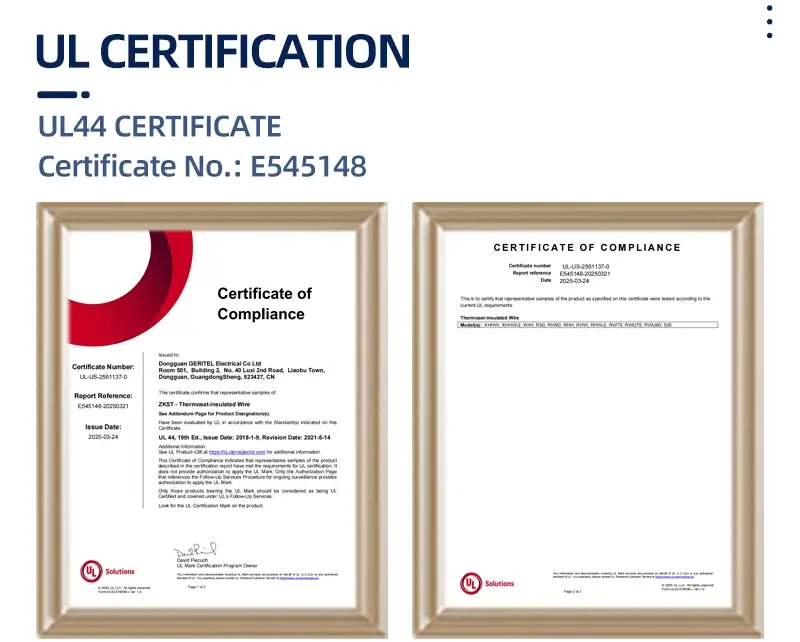
The UL44 standard is developed by Underwriters Laboratories to ensure that UL44 certified cable meets rigorous safety, performance, and durability requirements, and this certification is not merely a label but a comprehensive validation of the product’s reliability in real-world conditions.
Key Aspects of UL44 Certification:
- Thermal Resistance Testing: Ensures the wire can withstand elevated temperatures without degradation
- Flame Retardancy: Verifies that the insulation resists ignition and limits flame spread
- Mechanical Strength: Confirms durability against physical stress during installation and use
- Moisture Resistance: Guarantees stable performance in wet environments
For contractors and procurement professionals, choosing UL44 wire means reducing compliance risks, since these products are widely accepted in building codes and electrical standards across many markets, thereby simplifying approvals and inspections.
4. Advantages of UL44 Wire Compared to Standard Building Wires
When compared with conventional thermoplastic-insulated wires, UL44 wire offers several distinct advantages that directly impact safety, longevity, and cost efficiency.
4. 1 Superior Heat Resistance
Because thermoset insulation does not melt, UL44 wires can handle higher operating temperatures without deformation, which significantly improves safety margins in high-load systems.
4. 2 Enhanced Durability
The cross-linked structure of the insulation provides excellent resistance against cracking, aging, and environmental stress, ensuring a longer service life even in harsh conditions.
4. 3 Better Performance in Wet and Outdoor Environments
UL44 wires maintain insulation integrity in moisture-rich environments, making them suitable for underground conduits, industrial facilities, and outdoor installations.
4. 4 Higher Safety Compliance
As a UL44 certified cable, it aligns with strict safety standards, reducing the risk of failures and ensuring smoother project approvals.
5. Typical Applications of UL44 Thermoset Insulated Building Wire
Thanks to its robust design and compliance advantages, UL44 wire is widely used across multiple sectors where reliability and safety are critical.
- Commercial Building Wiring: Power distribution systems in offices, malls, and hotels
- Industrial Facilities: Factories and plants where high temperatures and mechanical stress are common
- Residential Projects: Main feeders and branch circuits requiring long-term durability
- Outdoor and Underground Installations: Conduits exposed to moisture, sunlight, or varying temperatures
These diverse applications demonstrate how UL44 wire serves as a versatile building wiring wire that adapts to both standard and demanding environments.
6. Selection and Installation Tips
Choosing the right UL44 wire involves more than simply selecting a size, since proper specification ensures optimal performance and compliance.
6. 1 Select the Appropriate Type
Different UL44 wire types such as XHHW or XHHW-2 XLPE insulated building wire offer varying temperature ratings, so it is important to match the wire type with the specific environmental conditions.
6. 2 Consider Conductor Material
Copper provides better conductivity and flexibility, while aluminum offers a cost-effective alternative for large-scale installations.
6. 3 Verify Certification and Markings
Always ensure the wire is clearly labeled as UL44 certified cable, as this guarantees compliance with safety standards.
6. 4 Follow Proper Installation Practices
Even the best thermoset insulated building wire requires correct installation, including proper conduit selection, bending radius, and load calculation, to ensure long-term reliability.
7. Why Choosing High-Quality UL44 Wire Matters
In today’s construction and electrical industries, where safety, compliance, and durability are non-negotiable, selecting a reliable UL44 wire is not just a technical decision but a strategic investment, because it directly affects system performance, maintenance costs, and overall project success.
At Dongguan GERITEL Electrical Co., Ltd., we specialize in manufacturing and exporting high-performance thermoset insulated building wire that meets strict UL44 standards, ensuring that our customers receive products designed for safety, durability, and long-term reliability in demanding applications.
If you are looking for dependable UL44 certified cable solutions for your next project, our team is ready to support you with professional guidance and consistent quality.
Contact us today:
Dongguan GERITEL Electrical Co., Ltd.
Tel / WhatsApp / WeChat: +86 135 1078 4550 / +86 136 6257 9592
Email: manager01@greaterwire.com
By choosing a trusted supplier of UL44 wire, you can confidently meet compliance requirements while delivering safe and efficient electrical systems that stand the test of time.
 Copper Building Wire XHHW-2 vs THHN/THWN-2



 Building 2, No. 40 Luxi 2nd Road, Liaobu Town, Dongguan City, Guangdong Province, China