


 Home
HomeTHHN vs XHHW-2: What's the Difference?
 GERITEL
 Mar 25,2026

In modern building electrical systems, THHN and XHHW-2 are both widely used conductor types, yet for electricians, procurement engineers, and project managers, choosing between them is far more than a technical detail, as it directly impacts system safety, code compliance, installation efficiency, and long-term operating costs. A lack of clarity about their structural and performance differences can easily lead to misselection, resulting in unnecessary expenses or performance risks, which is why a clear and focused comparison is essential before making any decision.
1. Understanding the Terminology: What Do THHN and XHHW-2 Mean?
1. 1 THHN Explained
- T – Thermoplastic insulation
- H/HH – Heat resistance (up to 90°C in dry locations)
- N – Nylon jacket
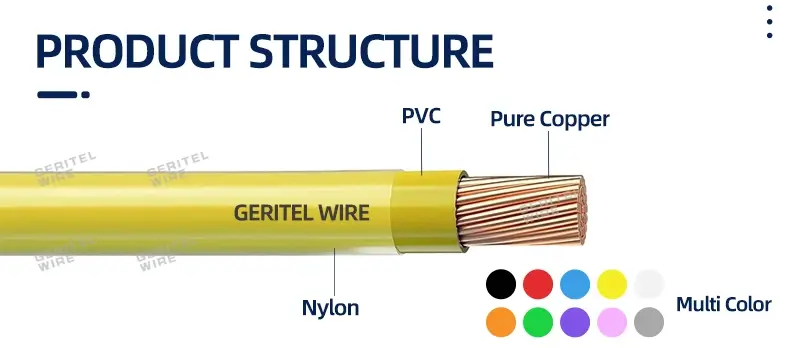
Core structure: PVC insulation + Nylon sheath, designed for cost efficiency and easy installation, making it an ideal THHN cable for construction wiring.
1. 2 XHHW-2 Explained
- X – Cross-linked polyethylene (XLPE)
- HH – High heat resistance
- W – Suitable for wet locations
- -2 – Rated 90°C in both wet and dry environments
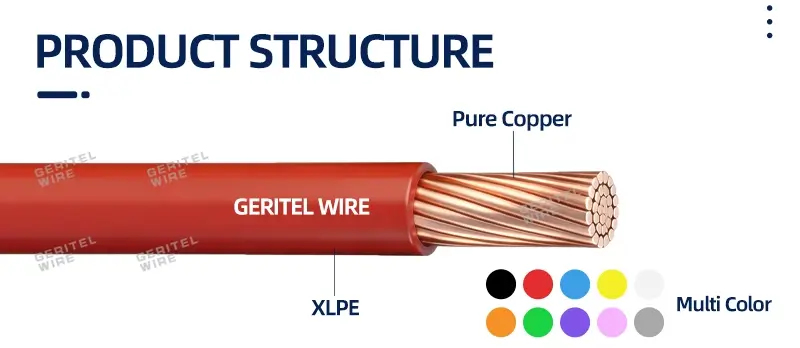
Core structure: Single-layer XLPE insulation, designed for durability and environmental resistance, and we are a professional XHHW electric cable import supplier providing high-quality products.
2. Core Construction Comparison: Materials and Design Differences
From a construction standpoint, the key differences lie in the insulation system and outer protection design, which directly determine how each cable performs in real-world conditions.
THHN features a dual-layer structure, consisting of PVC insulation combined with a nylon outer jacket, where the PVC provides basic electrical insulation while the nylon layer enhances abrasion resistance, oil resistance, and pull-through performance, making it especially suitable for conduit installations requiring efficiency and flexibility, including applications as THHN wire for switchgear panel.
In contrast, XHHW-2 uses a single-layer XLPE insulation, relying on the inherent properties of cross-linked polyethylene to deliver superior thermal stability, moisture resistance, and dielectric strength, although this thicker structure makes it slightly less flexible during installation.
Both cable types typically use annealed copper or aluminum conductors (solid or stranded), ensuring compatibility with standard electrical systems and reliable conductivity.
In terms of compliance, both cables meet strict UL standards:
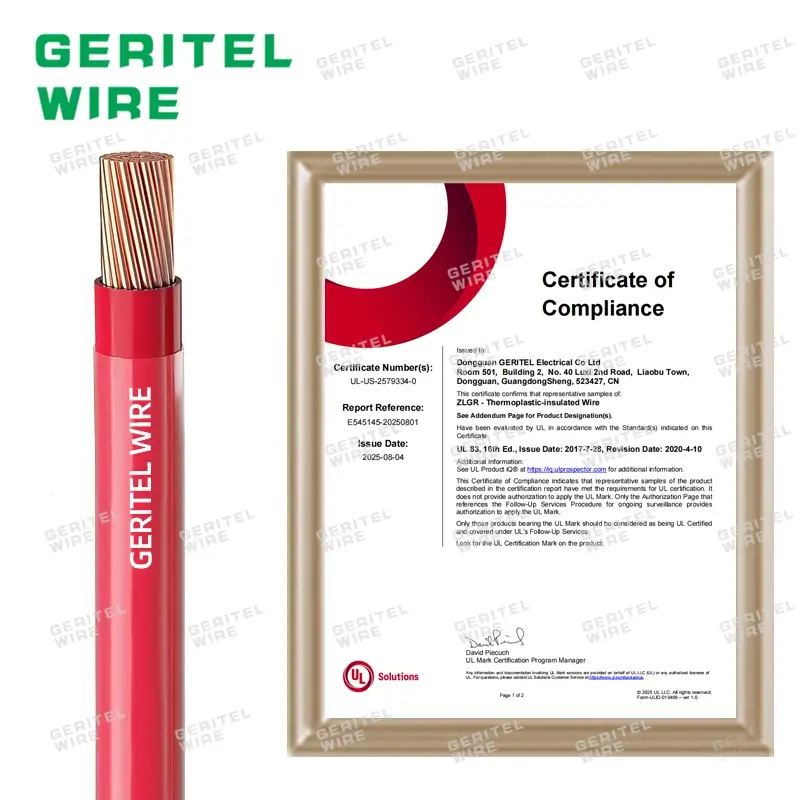
- THHN complies with UL 83 (Thermoplastic-Insulated Wires and Cables) and is often dual-rated as THHN/THWN-2
- XHHW-2 complies with UL 44 (Thermoset-Insulated Wires and Cables) and is rated for 90°C in both wet and dry conditions
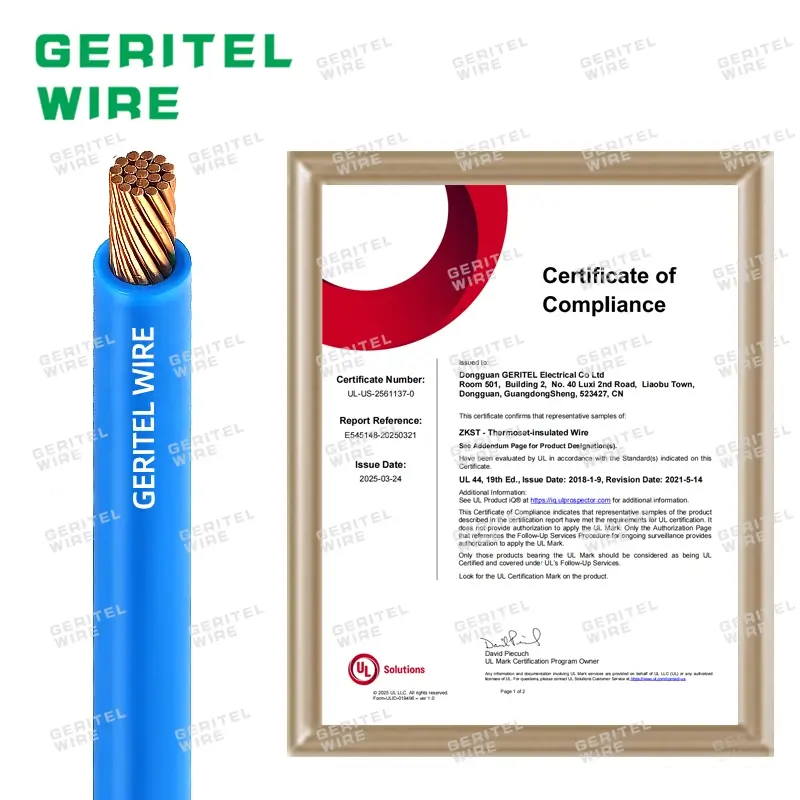
This ensures both options meet North American safety, flame resistance, and performance requirements under NEC regulations.
3. Key Performance Differences at a Glance
| Category | THHN | XHHW-2 |
| Insulation Material | PVC (Thermoplastic) | XLPE (Cross-linked Polyethylene) |
| Jacket | Nylon sheath | No jacket |
| Temperature Rating | 90°C (dry) / 75°C (wet) | 90°C (dry & wet) |
| Moisture Resistance | Moderate | Excellent |
| Chemical Resistance | Good | Excellent |
| Abrasion Resistance | Excellent | Moderate |
| Low-Temperature Flexibility | Moderate |
Better |
| Installation Ease | Easy pulling | Slightly stiffer |
| Service Life | Standard | Longer |
Overall, THHN prioritizes installation efficiency and cost control, while XHHW-2 delivers enhanced durability and environmental performance.
4. Application Scenarios: Choosing the Right Cable for the Right Job
4. 1 Where THHN Performs Best
THHN is most suitable for indoor conduit wiring in dry environments, such as residential buildings, commercial facilities, and standard distribution systems, where its nylon jacket reduces friction and significantly improves installation speed, making it ideal for large-scale projects that prioritize efficiency and budget control.
4. 2 Where XHHW-2 Excels
XHHW-2 is better suited for wet, outdoor, underground, or industrial environments, where exposure to moisture, heat, or chemicals demands a more robust insulation system, and its XLPE construction ensures long-term stability, reduced maintenance, and higher reliability, making it a preferred choice for infrastructure and heavy-duty applications.
5. Quick Selection Guide: Make the Right Decision Faster
When selecting between THHN and XHHW-2, focus on three key factors:
- Environment: Dry indoor → THHN | Wet or outdoor → XHHW-2
- Budget Strategy: Lower upfront cost → THHN | Lower lifecycle cost → XHHW-2
- Safety Margin: Standard conditions → Either | Harsh environments → XHHW-2
6. Final Thoughts: Smarter Cable Selection Starts Here
Both THHN and XHHW-2 are UL-certified and NEC-compliant solutions, yet their differences in insulation materials and structural design make them suitable for very different operating conditions, and selecting the right one can significantly improve system reliability, inspection success, and long-term cost efficiency.
At Dongguan GERITEL Electrical Co., Ltd., we specialize in supplying high-quality THHN and XHHW-2 cables manufactured in full compliance with UL standards, ensuring consistent performance across a wide range of applications. With ready stock availability and flexible customization options, we help our clients match the right cable to the right project with confidence.
Contact us today:
If you are evaluating cable options for your next project, feel free to contact us for technical support, datasheets, or a competitive quotation, and let us support your success with reliable, compliant, and cost-effective cable solutions.
Dongguan GERITEL Electrical Co., Ltd.
Tel / WhatsApp / WeChat: +86 135 1078 4550 / +86 136 6257 9592
Email: manager01@greaterwire.com
 What is THHN Wire?



 Building 2, No. 40 Luxi 2nd Road, Liaobu Town, Dongguan City, Guangdong Province, China