


 Home
HomeSelecting the Right Cable for HVAC Systems in Australia
 GERITEL
 Mar 19,2026

Choosing the correct cable for HVAC (Heating, Ventilation, and Air Conditioning) systems in Australia is essential for ensuring safety, efficiency, and long-term performance. With strict compliance requirements and diverse installation environments, understanding cable standards and specifications can help contractors and engineers make informed decisions.
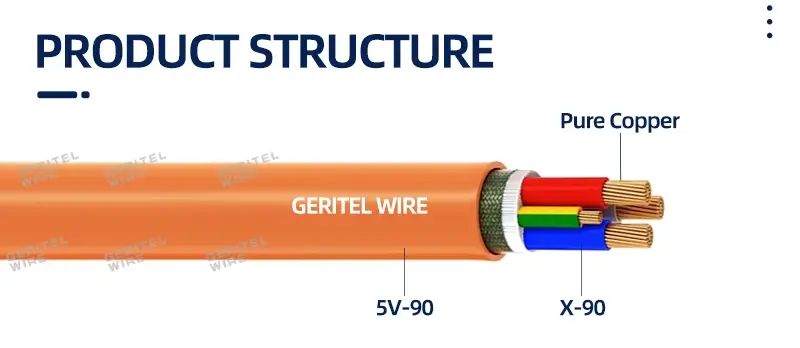
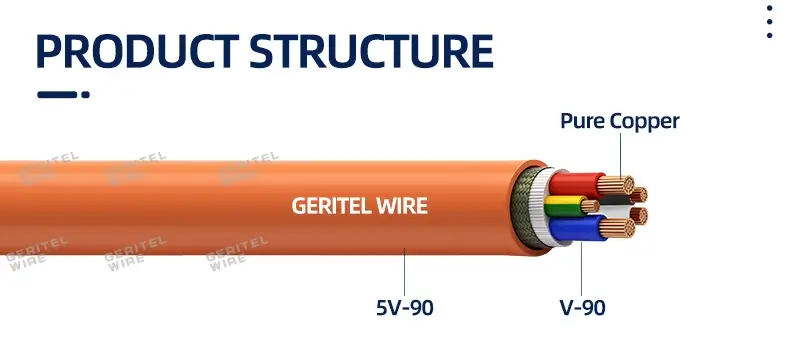
1. Understanding AS/NZS 5000.1 and 5000.2 Orange Circular Cable Structure
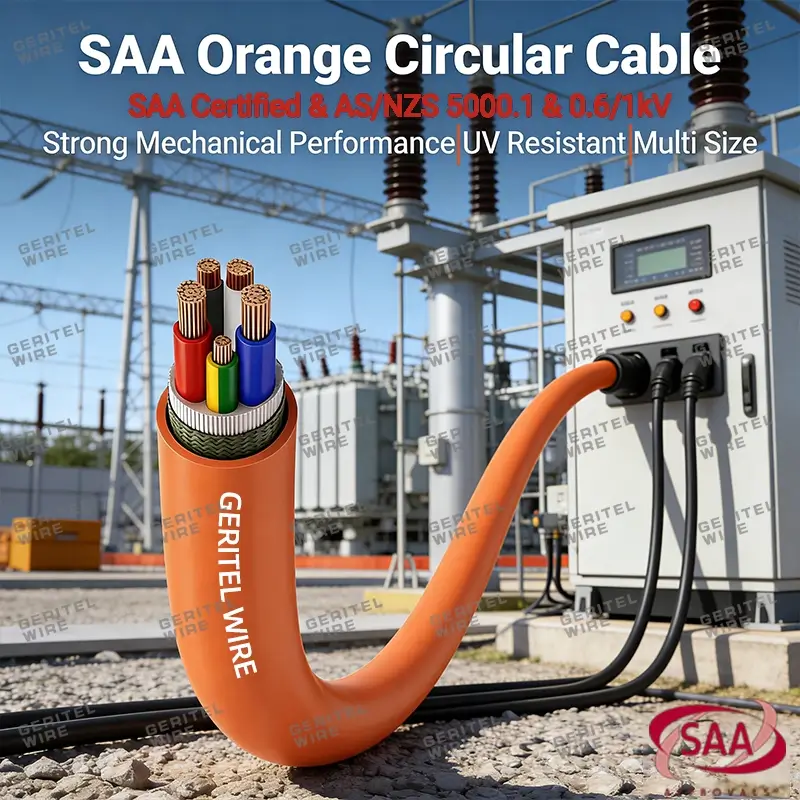
In Australia, AS/NZS 5000.1 and AS/NZS 5000.2 orange circular cable are key standards for low-voltage power cables.
AS/NZS 5000.1 cables are designed for fixed installations. They typically feature copper or aluminum conductors, with XLPE insulation, along with a PVC durable outer sheath for mechanical protection. These cables are widely used in power distribution for HVAC systems.
AS/NZS 5000.2 cables are light-duty flexible cables, generally PVC insulated and sheathed. They are suitable for applications requiring flexibility, such as connecting HVAC equipment and control systems.
These standardized cable structures ensure reliability, safety, and compliance in Australian HVAC projects.
2. Selecting the Right Insulation Type (XLPE vs PVC)
The choice between XLPE and PVC insulation is critical:
XLPE insulated cables are ideal for outdoor HVAC units, rooftops, and high-load systems due to their higher temperature resistance (up to 90°C) and longer lifespan.
PVC insulated cables are more cost-effective and suitable for indoor installations and control circuits.
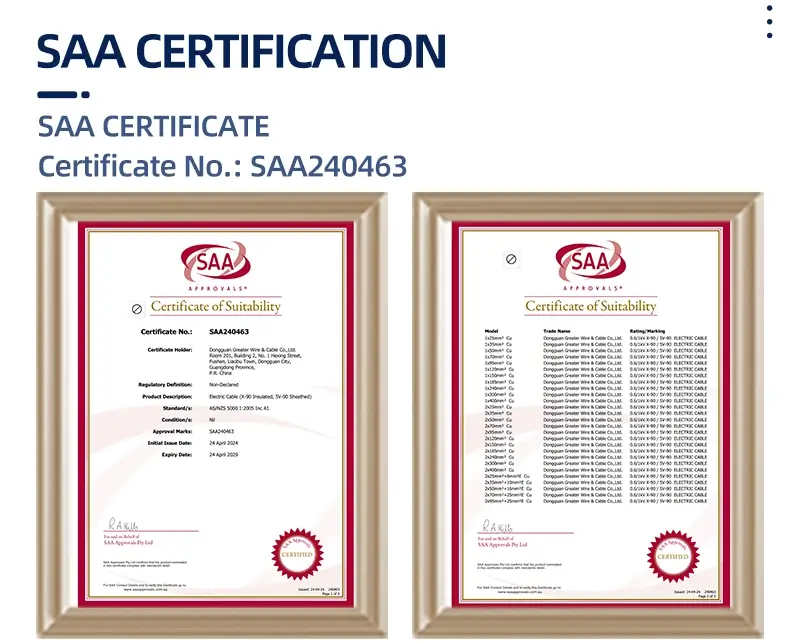
Selecting the correct insulation improves both performance and durability. Both AS/NZS 5000.1 orange circular cables and AS/NZS 5000.2 orange circular cables are fully SAA certified, ensuring compliance with Australia’s strict safety and performance requirements. This certification guarantees that the cables have been rigorously tested for electrical reliability, fire resistance, and durability in real-world applications. Whether used for fixed installations or flexible connections in HVAC systems, SAA-certified cables provide peace of mind, reduce installation risks, and meet the highest standards expected in the Australian market.
3. Cable Size and Electrical Load Considerations
Correct cable sizing ensures efficient operation and prevents overheating:
Control circuits: typically 1.5–2.5 mm²
Main power supply: usually 4 mm² to 16 mm² or higher
Voltage ratings: 300/500V or 0.6/1kV, depending on system requirements
Proper sizing reduces energy loss and enhances system stability.
4. Environmental and Installation Factors
HVAC systems operate in various conditions, so cable selection must consider:
Indoor environments: flexibility and easy installation
Outdoor installations: UV resistance and weather protection
Commercial buildings: fire-resistant and low-smoke requirements
Using orange power cables can also improve visibility and safety during installation and maintenance.
5. Conclusion
Selecting the right cable for HVAC systems in Australia requires careful consideration of standards, insulation types, load capacity, and installation conditions.
AS/NZS 5000.1 and 5000.2 cables provide reliable solutions for different applications, while choosing between XLPE and PVC ensures optimal performance based on your specific needs.
Dongguan GERITEL Electrical Co., Ltd. offers high-quality cable solutions that comply with AS/NZS and IEC standards, helping you achieve safe, efficient, and durable HVAC installations.
Contact Us
Tel/Wechat/WhatsApp: +86 136 6257 9592
Email: manager01@greaterwire.com
Website: www.greaterwire.com
 Best Cable Types for Residential Wiring: Are Orange Power Cables a Good Choice?



 Building 2, No. 40 Luxi 2nd Road, Liaobu Town, Dongguan City, Guangdong Province, China