


 Home
HomePNG Rural PV Microgrid Cable Export
 GERITEL
 Apr 07,2026

In the first quarter of 2025, Dongguan GERITEL Electrical Co., Ltd. successfully partnered with a local engineering firm in Papua New Guinea (PNG) to supply high-quality cables for a rural photovoltaic (PV) microgrid project under the PNG Electrification Partnership initiative. This project aimed to address the severe electricity shortage in remote rural areas of PNG, where less than 15% of the rural population has access to reliable power supply. As a professional cable manufacturer with rich experience in international energy projects, we provided tailored cable solutions, including Medium Voltage Cable, TPS Cable, and Elastomer Cable, to overcome the unique challenges of PNG’s rural environment and ensure the long-term stability of the microgrid system. This case details how our products and services solved the client’s core pain points, leveraging our SAA certification, project experience, product quality, and efficient delivery capabilities.
1. The Urgency of Rural Electrification in PNG
Papua New Guinea is a country with scattered rural communities, rugged terrain, and harsh tropical weather conditions, including high temperatures, heavy rainfall, and frequent humidity. The PNG Electrification Partnership, supported by international organizations like the World Bank, is a key initiative to expand electricity access to rural areas and achieve the country’s goal of 70% electrification by 2030. The project we participated in was located in the Enga Province, covering 8 remote villages with a total population of over 1,500 residents. The local engineering firm, responsible for the microgrid construction, faced significant challenges in sourcing suitable cables that could adapt to PNG’s harsh outdoor environment and meet the project’s strict safety and compliance requirements.
The client’s core pain points were clear: first, the lack of cables certified to meet Australian and New Zealand standards (AS/NZS), which are mandatory for electrical projects in PNG to ensure safety and compatibility. Many local suppliers could not provide valid SAA certification, making their products ineligible for the project. Second, the rural areas of PNG have no stable transportation infrastructure, and the client needed cables that could withstand long-distance transportation without damage, as well as resist corrosion, UV radiation, and mechanical wear from the tropical environment. Third, the project had a tight timeline—required to be completed within 6 months to meet the PNG Electrification Partnership’s deadlines—and the client needed a supplier that could deliver high-quality products on time to avoid project delays. Finally, the client needed cables that were tailored to the microgrid’s specific needs, as standard cables would not perform well in the PV system’s unique voltage and current conditions.
2. Choosing the Right Cables for PNG’s Rural PV Microgrid
After in-depth communication with the client and a detailed analysis of the project’s requirements, we proposed a comprehensive cable solution centered on three core products: Medium Voltage Cable, TPS Cable, and Elastomer Cable. Each product was selected for its unique advantages, tailored to solve specific challenges of the project, and all were SAA certified to meet the mandatory standards in PNG.
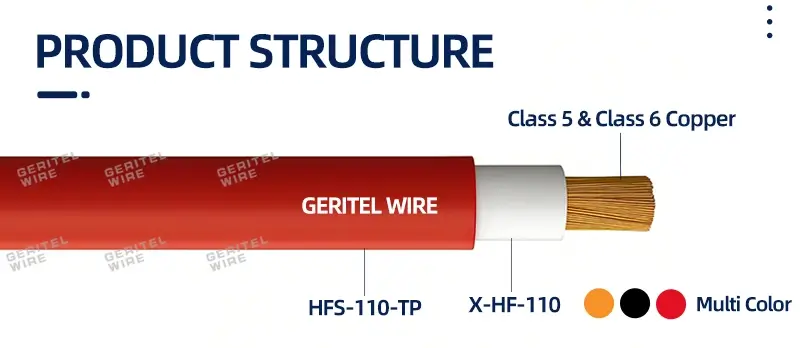
The Medium Voltage Cable was used for the main power transmission of the microgrid, connecting the PV inverter station to the distribution transformers in each village. We supplied two sizes: 12kV 3C×95mm² and 12kV 3C×120mm², both featuring copper conductors, XLPE insulation, and a PVC sheath with UV stabilization. Unlike ordinary medium voltage cables, our product has a 133% insulation level (conforming to IEEE 1202 standards) and a copper tape shield to prevent electromagnetic interference, ensuring stable power transmission over long distances (up to 5km) in the rugged terrain of Enga Province. This cable was chosen over other options because of its superior electrical performance and resistance to moisture, which is critical in PNG’s rainy climate—ordinary cables often suffer from insulation breakdown due to high humidity, leading to power outages.
The TPS Cable (Thermoplastic Sheathed Cable) was used for the low-voltage distribution network within each village, connecting the transformers to residential and community buildings. We provided sizes ranging from 2.5mm² to 35mm², with 2-core, 3-core, and 4-core options to meet different power demand scenarios. TPS Cable is known for its durability and ease of installation, which was essential for the project—rural areas in PNG have limited construction equipment, and the cable’s flexibility allows for easy installation in narrow spaces and over rough terrain. Compared to traditional PVC cables, our TPS Cable has a thicker sheath (0.8mm) and better flame retardancy (meeting AS/NZS 3013 standards), reducing the risk of fire in the dry season when wildfires are common in rural PNG. Additionally, its low-smoke and low-toxicity properties ensure safety for residents in case of a fire.
The Elastomer Cable was used for the connection between PV panels and the inverter, a critical part of the microgrid system that requires high flexibility and resistance to extreme temperatures. We supplied 4mm² and 6mm² single-core Elastomer Cables, made of thermoplastic elastomer (TPE) sheath material that can withstand temperatures ranging from -40℃ to 105℃. This cable is ideal for outdoor PV applications because of its excellent UV resistance and flexibility—unlike rubber cables, which tend to harden and crack in PNG’s strong sunlight, our Elastomer Cable maintains its flexibility even after long-term exposure to the sun and rain. It also has strong abrasion resistance, preventing damage from contact with rocks and vegetation during installation. Importantly, this outdoor cable is designed to handle the high current output of PV panels, ensuring efficient power collection and transmission without energy loss.
3. SAA Certification and Strict Quality Control
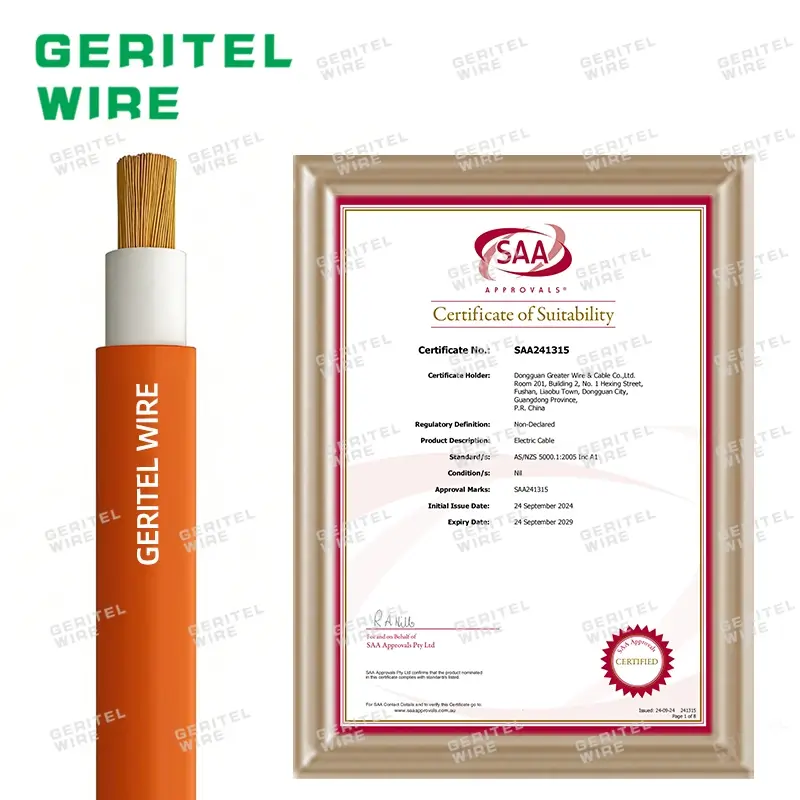
Safety was the top priority for the PNG Electrification Partnership project, and our SAA certification was the key factor that convinced the client to choose us. SAA (Standards Australia Approvals) is a mandatory certification for electrical products in PNG, ensuring that cables meet the strict safety and performance standards of AS/NZS 5000 series. All our cables—Medium Voltage Cable, TPS Cable, and Elastomer Cable—hold valid SAA certificates, which were verified by the client and the project’s compliance team before the order was confirmed. This certification not only guaranteed the eligibility of our products for the project but also gave the client confidence in their long-term safety and reliability.
Beyond certification, we implemented strict quality control throughout the production process to ensure consistency and durability. We used high-purity copper conductors to ensure low resistance and efficient power transmission, and premium insulation materials to prevent leakage and short circuits. Each batch of cables underwent rigorous testing, including electrical performance tests (voltage withstand, insulation resistance), mechanical tests (tensile strength, bending resistance), and environmental tests (UV resistance, moisture resistance). Before shipment, we conducted a final inspection to ensure that all cables met the project’s specifications and were free from defects. Our quality control process is in line with international standards, and we provided detailed test reports to the client, further demonstrating our commitment to quality.
Additionally, our experience in undertaking similar rural PV microgrid projects in Southeast Asia and the Pacific region gave the client added confidence. We have successfully supplied cables for rural electrification projects in Indonesia and Fiji, and our team is familiar with the unique challenges of such projects—including harsh environmental conditions, tight timelines, and compliance requirements. This experience allowed us to anticipate potential issues and provide proactive solutions, ensuring the smooth progress of the project.
4. Meeting Tight Deadlines in Challenging Conditions
The client emphasized that on-time delivery was critical, as any delay would push back the project’s completion and affect the PNG Electrification Partnership’s targets. We understood the urgency and implemented a streamlined production and logistics plan to ensure that all cables were delivered within 60 days of the order confirmation—15 days ahead of the client’s required deadline.
Our production team prioritized the PNG project, allocating dedicated production lines to avoid delays. We sourced raw materials in advance to prevent supply chain disruptions, and our production process was optimized to reduce lead time without compromising quality. For logistics, we partnered with a professional international shipping company with experience in delivering goods to PNG, ensuring that the cables were properly packaged to withstand long-distance sea transportation and rough handling. The cables were packed in moisture-proof and shock-proof wooden crates, with clear labeling to facilitate unloading and distribution at the project site.
We also provided detailed shipping documents, including commercial invoices, packing lists, SAA certification copies, and test reports, to ensure smooth customs clearance in PNG. Our team maintained regular communication with the client and the shipping company, providing real-time updates on the production and shipping status. When the cables arrived at the Port of Port Moresby, we coordinated with the client to arrange inland transportation to the project site in Enga Province, overcoming the challenges of poor road conditions by using specialized vehicles suitable for rugged terrain. The entire delivery process was seamless, and the client was impressed by our efficiency and professionalism.
5. Powering Rural Communities and Delivering Long-Term Value
The PNG rural PV microgrid project was completed ahead of schedule, thanks to the timely delivery and high quality of our cables. The microgrid system is now fully operational, providing reliable electricity to 8 rural villages in Enga Province, benefiting over 1,500 residents. The cables we supplied have performed exceptionally well in the harsh tropical environment—there have been no cases of insulation breakdown, cable damage, or power outages caused by cable failure.
The Medium Voltage Cable has ensured stable long-distance power transmission, with voltage drop within the required 3% range, ensuring that each village receives consistent power supply. The TPS Cable has proven durable and easy to maintain, reducing the client’s maintenance costs and workload. The Elastomer Cable, as a high-performance outdoor cable, has withstood continuous exposure to sunlight and rain, maintaining its flexibility and electrical performance, which has significantly improved the efficiency of the PV system. The project has not only brought electricity to rural households but also supported local economic development—residents can now use electrical appliances for daily life, and small businesses can operate longer hours, improving their income and quality of life.
6. Cooperation Value and Client Feedback
Our partnership with the PNG client went beyond just supplying cables—we provided comprehensive support throughout the project, from product selection to after-sales service. We sent a team of technical experts to the project site to provide guidance on cable installation, ensuring that the cables were敷设 correctly and in line with safety standards. We also offered a 5-year quality guarantee, promising to replace any defective cables free of charge and provide technical support whenever needed.
The client recognized the value of our partnership, highlighting that our SAA-certified cables, professional technical support, and on-time delivery were key to the project’s success. They noted that our cables were superior to other options they considered—ordinary cables without SAA certification posed safety risks, while low-quality cables would have required frequent replacement, increasing maintenance costs. Our experience in similar projects allowed us to provide tailored solutions that addressed their specific needs, and our efficient delivery ensured that the project stayed on track. The client has expressed interest in cooperating with us for future rural electrification projects in PNG, recognizing our reliability and commitment to quality.
7. Choose GERITEL: Your Trusted Partner for Cable Export to PNG
If you are undertaking rural electrification projects, PV microgrid projects, or any electrical projects in Papua New Guinea or other countries, Dongguan GERITEL Electrical Co., Ltd. is your ideal partner. We specialize in manufacturing and exporting high-quality cables, including Medium Voltage Cable, TPS Cable, Elastomer Cable, and other outdoor cable solutions, all of which hold SAA certification and meet international standards.
Our advantages are clear: we have rich experience in undertaking similar international projects, ensuring that we can provide tailored solutions to meet your unique needs; our strict quality control system guarantees the durability and reliability of our products, even in harsh environments; our efficient production and logistics capabilities ensure on-time delivery, helping you avoid project delays; and our professional technical support team is always available to provide guidance and after-sales service.
Don’t let cable quality, certification, or delivery issues hinder your project’s success. Contact us today to discuss your cable needs and get a customized quote. We are committed to providing you with the best products and services, helping you power communities and achieve your project goals.
Contact Us
Dongguan GERITEL Electrical Co., Ltd.
Tel/WhatsApp/WeChat: +86 135 1078 4550 / +86 136 6257 9592
Email: manager01@greaterwire.com
 Powering Timor-Leste Manatuto (Laclo) Marble Exploration Project



 Building 2, No. 40 Luxi 2nd Road, Liaobu Town, Dongguan City, Guangdong Province, China