


 Home
HomeCopper vs Aluminum UL44 Wire: XHHW-2 Performance Comparison
 GERITEL
 Mar 23,2026

When it comes to selecting the right wire for industrial wiring projects, especially for high-performance applications, one of the most critical decisions is choosing between copper and aluminum conductors. This choice impacts the safety, durability, cost, and overall performance of the installation. In this blog, we will discuss the performance comparison of Copper vs. Aluminum UL44 XHHW-2 wire, offering valuable insights into these two materials and guiding you through the decision-making process.
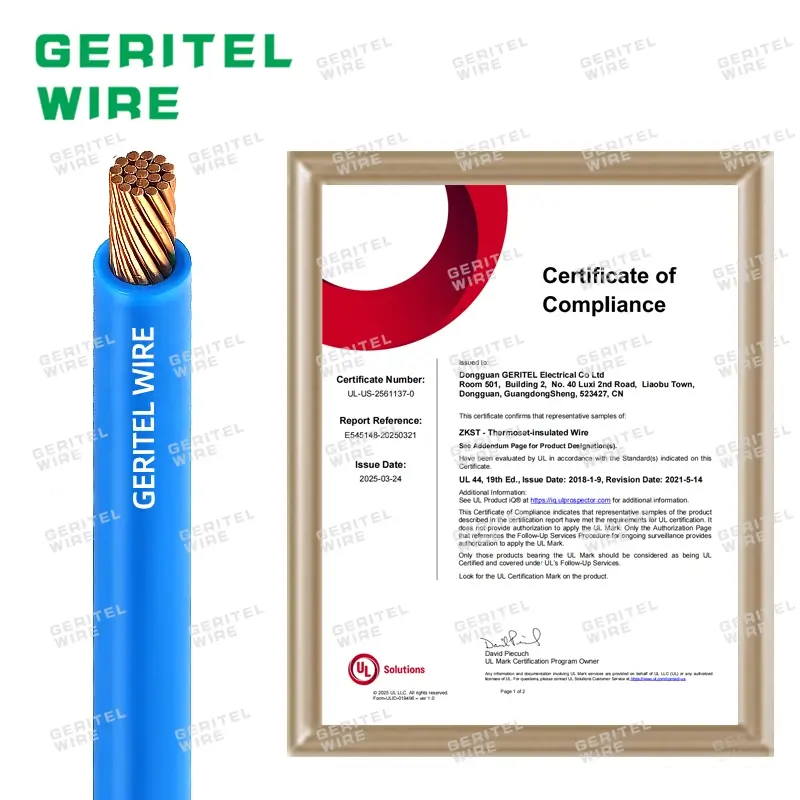
1. Understanding the UL44 XHHW-2 Standard: Why It Matters
UL44 XHHW-2 wires are designed to meet specific standards that ensure safe and reliable electrical installations in both residential and industrial settings. UL44 refers to the Underwriters Laboratories (UL) standard for wire insulation, specifically for conductors that are used in electrical systems. The "XHHW-2" designation indicates that the wire has cross-linked polyethylene (XLPE) insulation, offering superior heat resistance, durability, and electrical performance.
Why is UL44 certification so important?
UL44 certification guarantees that the wire has been rigorously tested for quality and safety. It ensures that the wire meets high standards for electrical insulation, resistance to physical damage, and long-term reliability in harsh conditions. Complying with UL44 standards is essential for achieving engineering compliance, particularly when the wire is used in critical applications where safety cannot be compromised.
2. Wire Construction Breakdown: Copper vs. Aluminum
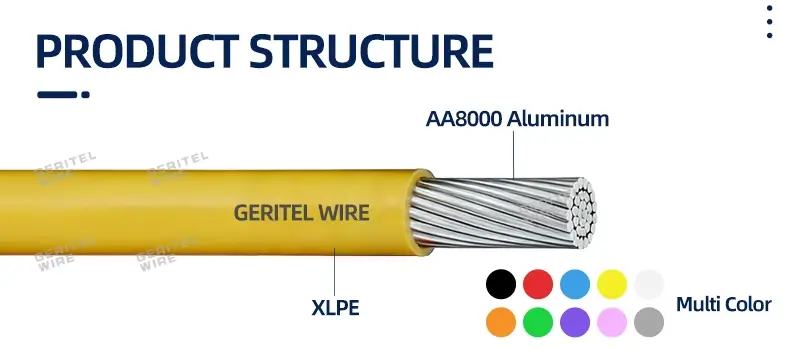
2. 1 Conductor Material: Copper vs. AA-8000 Aluminum Alloy
When it comes to the conductor material, both copper and aluminum are commonly used in electrical wiring, but they come with distinct properties.
- Copper Conductor: Known for its superior electrical conductivity, copper has been the industry standard for decades. It provides excellent current-carrying capacity, ensuring minimal energy loss and efficient power transfer. Copper also has a higher resistance to corrosion, which extends the wire’s lifespan, especially in harsh environments.
- Aluminum Conductor (AA-8000 Alloy): Aluminum is lighter than copper, making it an appealing option for large-scale projects where weight reduction is critical. AA-8000 aluminum alloy is often used in electrical wiring due to its ability to maintain decent conductivity while being more cost-effective. However, aluminum has a lower conductivity than copper, which means that for the same current capacity, a thicker aluminum wire is needed.
2. 2 Insulation: XLPE Cross-Linked Polyethylene
Both copper and aluminum conductors in UL44 XHHW-2 wires are insulated with XLPE, a highly durable thermoset polymer that provides excellent resistance to heat, moisture, and chemicals. The cross-linking process enhances the strength of the insulation, preventing it from melting or degrading at high temperatures.
2. 3 Jacket Material: PVC vs. Thermoset
The outer jacket of UL44 XHHW-2 wires is typically made from PVC or other thermoset materials. This jacket provides additional protection against external environmental factors such as mechanical damage, UV exposure, and moisture, ensuring long-term performance even in challenging conditions.
3. Performance Comparison: Copper vs. Aluminum
When comparing copper and aluminum XHHW-2 multi size electric wire, there are several key performance factors to consider:
3. 1 Electrical Current-Carrying Capacity
Copper wires offer better conductivity, which means they can carry more current over longer distances without excessive voltage drop. Aluminum wires, while still suitable for most applications, require larger cross-sectional areas to achieve the same electrical performance as copper.
3. 2 Physical Weight
Aluminum wires are significantly lighter than copper wires, which can be a major advantage in installations that require long spans of wiring or where weight is a critical consideration. However, this weight difference also means aluminum wires are more susceptible to physical damage, such as breakage or bending, during installation.
3. 3 Durability and Corrosion Resistance
Copper’s resistance to corrosion is superior to aluminum, particularly in moist or saline environments. While aluminum can be prone to oxidation over time, the use of AA-8000 alloy reduces this risk, but copper still outperforms it in this area. Copper also tends to be more resilient to mechanical wear and tear.
3. 4 Installation Difficulty
Aluminum wires are easier to install due to their lighter weight, but they require special care during installation to prevent damage to the conductor or insulation. Copper, while heavier, is less prone to installation issues but may require more effort during handling and routing.
3. 5 Total Life-Cycle Cost
Although copper has a higher upfront cost, its durability, conductivity, and resistance to corrosion make it a more cost-effective choice in the long term. Aluminum, on the other hand, has a lower initial price but may require more maintenance or replacement over time due to its susceptibility to physical damage and corrosion.
4. Practical Applications and Selection Guide
When choosing between copper and aluminum XHHW-2 600V XLPE power cable wire, it’s important to consider the specific needs of your project. Here are some general recommendations based on typical usage scenarios:
- For Commercial and Industrial Applications: Copper is ideal for high-demand environments where reliability, safety, and performance are paramount. It is recommended for critical systems, such as control circuits, power distribution, and high-current applications.
- For Dry and Wet Environments: Copper’s corrosion resistance makes it the preferred choice for installations in harsh or corrosive environments. Aluminum can be used in less demanding conditions but should be monitored for potential oxidation.
- For Large-Scale Projects: If weight and cost are significant factors, aluminum might be the better option, provided the installation is carried out with care and proper techniques to minimize the risk of damage.
5. Conclusion: Making the Right Choice
Choosing between copper and aluminum UL44 XHHW-2 wire depends on several factors, including budget, performance requirements, and environmental conditions. Copper offers superior conductivity, longevity, and resistance to corrosion, while aluminum provides a cost-effective and lightweight alternative for large-scale projects.
At Dongguan GERITEL Electrical Co., Ltd., we understand the importance of making the right material choice for your wiring needs. If you're unsure which option is best for your project, contact us for personalized advice and a detailed product solution that meets your specific requirements. Our team is ready to assist you in selecting the ideal wire for your electrical systems, ensuring both performance and compliance with UL44 standards.
Contact us today:
Dongguan GERITEL Electrical Co., Ltd.
Tel / WhatsApp / WeChat: +86 135 1078 4550 / +86 136 6257 9592
Email: manager01@greaterwire.com
Feel free to reach out to us for more information.
 What Is XHHW-2 Wire Used For in Electrical Installations?



 Building 2, No. 40 Luxi 2nd Road, Liaobu Town, Dongguan City, Guangdong Province, China