


 Home
HomeBending Radius and Installation Tips for PVC Insulated Cables
 GERITEL
 Mar 19,2026

Proper handling and installation of PVC insulated cables are essential to ensure electrical safety, maintain performance, and extend service life. One of the most critical factors during installation is maintaining the correct bending radius, along with following best practices to prevent damage and ensure compliance with industry standards.
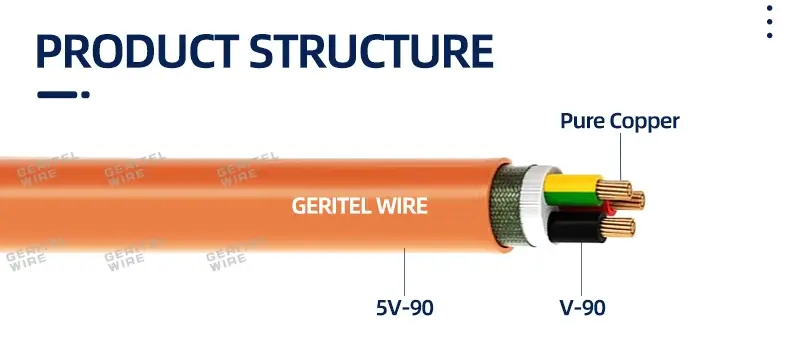
1. Understanding PVC Insulated Cable Structure
PVC insulated cables are widely used in HVAC, industrial, and commercial applications due to their flexibility, durability, and cost-effectiveness.
These cables typically consist of:
• Copper or aluminium conductors
• PVC insulation layer for electrical protection
• Outer sheath for mechanical strength
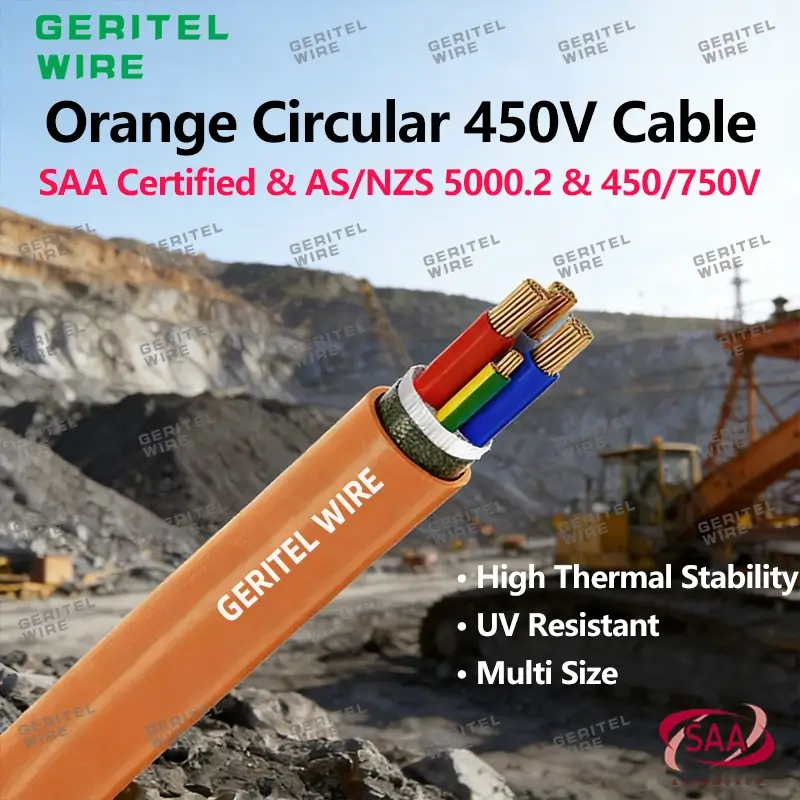
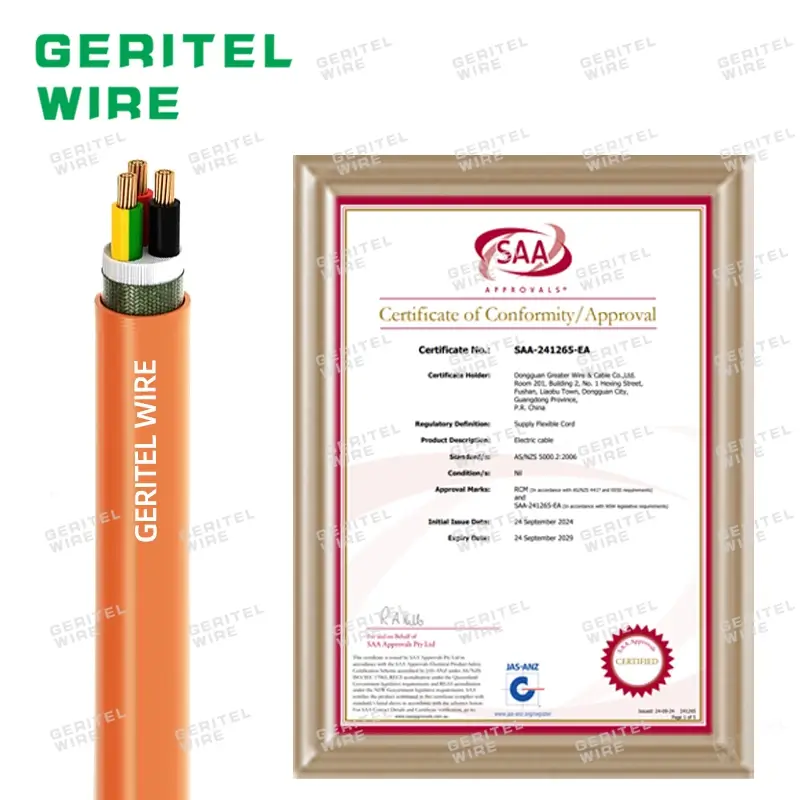
PVC insulated cables are commonly manufactured according to AS/NZS 5000.2 standard, and can be SAA certified, ensuring compliance with Australian safety and performance requirements.
2. What is Bending Radius and Why It Matters
The bending radius refers to the minimum radius a cable can be bent without causing damage.
• Exceeding the recommended bending radius can lead to:
• Insulation cracking
• Conductor deformation
• Reduced cable lifespan
• Increased risk of electrical faults
As a general guideline:
• Minimum bending radius is typically 6–12 times the cable diameter, depending on cable type and construction
Maintaining the correct bending radius ensures cable integrity and long-term reliability.
3. Recommended Bending Practices for PVC Cables
To ensure safe and effective installation:
• Avoid sharp bends, especially during pulling and routing
• Use proper tools and rollers when installing cables in conduits or trays
• Do not apply excessive force that may damage insulation
• Plan cable routing paths in advance to minimize bending stress
• Follow manufacturer specifications for bending limits
These practices help prevent mechanical damage and maintain optimal electrical performance.
4. Installation Tips for Different Applications
Different environments require tailored installation approaches:
• HVAC systems: Use flexible PVC cables for indoor units and ensure proper routing in tight spaces
• Industrial applications: Provide adequate support and spacing to prevent overheating
• Commercial buildings: Use organized cable trays and clear identification for easy maintenance
• Outdoor installations: Protect PVC cables from UV exposure and extreme temperatures when necessary
Using SAA certified PVC cables ensures compliance, safety, and durability across all applications.
5. Conclusion
Maintaining the correct bending radius and following proper installation practices are key to maximizing the performance and lifespan of PVC insulated cables. By selecting high-quality, SAA certified cables and applying best installation techniques, you can ensure safe, efficient, and reliable electrical systems.
Dongguan GERITEL Electrical Co., Ltd. provides premium PVC insulated cables compliant with AS/NZS standards, offering dependable solutions for HVAC, industrial, and commercial applications.
Contact Us
Tel/Wechat/WhatsApp: +86 136 6257 9592
Email: manager01@greaterwire.com
Website: www.greaterwire.com
 How to Select the Correct Voltage Rating for Orange Electrical Cables



 Building 2, No. 40 Luxi 2nd Road, Liaobu Town, Dongguan City, Guangdong Province, China