


 Home
HomeHow UL44 Standards Define XHHW-2 and RHW-2 Wires
 GERITEL
 Mar 24,2026

In the world of electrical installations, understanding wire specifications is crucial for safety, efficiency, and compliance. Two widely used types of wires, XHHW-2 and RHW-2, are defined by the UL44 standard, which provides comprehensive guidelines for insulation, temperature, and voltage ratings. In this article, we will break down these definitions and explain why choosing certified and professional suppliers makes all the difference, especially for specialized uses like XHHW-2 cable for power transmission and XHHW electric cable for oil gas use.
What is the UL44 Standard?
UL44, also known as the Thermoset-Insulated Wires Standard, is a benchmark established by Underwriters Laboratories (UL) to ensure wires can withstand extreme temperatures and mechanical stress. UL44 specifies materials, construction methods, and testing procedures that guarantee long-term reliability.
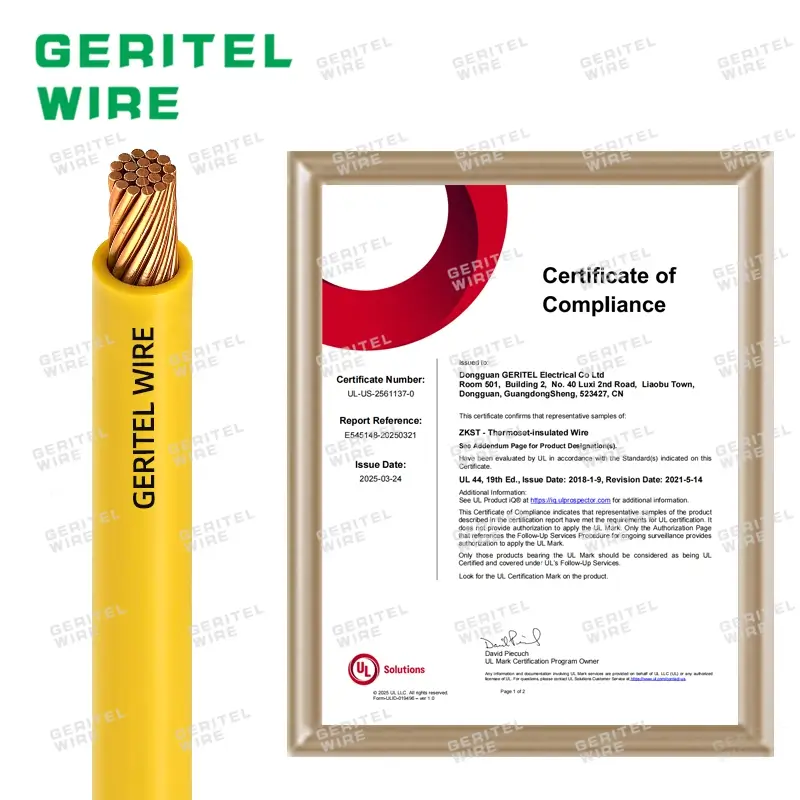
For professionals and DIY enthusiasts alike, adhering to UL44 is more than a regulatory requirement—it’s a commitment to safety, quality, and performance. Opting for UL-certified XHHW-2 or RHW-2 wires from reputable suppliers ensures your project meets industry standards and reduces the risk of electrical hazards.
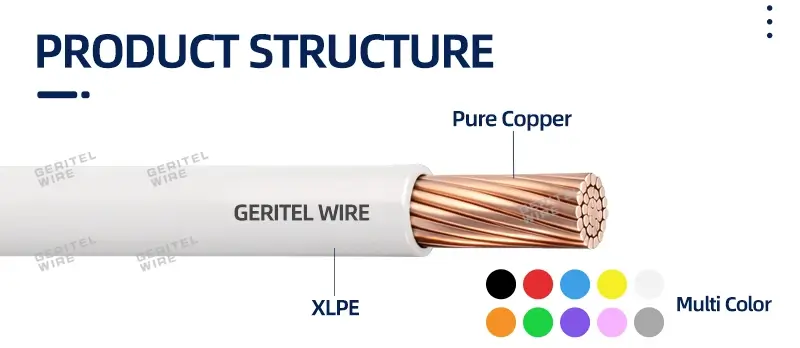
XHHW-2 Wires: Cross-Linked High Heat-Resistant Wire
XHHW-2 stands for Cross-Linked High Heat-Resistant Wire, version 2. Its defining characteristics, according to UL44, include:
- Insulation Material: Cross-linked polyethylene (XLPE), providing excellent heat and moisture resistance.
- Temperature Rating: 90°C in both wet and dry conditions.
- Voltage Rating: 600 volts, suitable for most residential and commercial wiring applications.
- Moisture and Chemical Resistance: Ideal for damp or corrosive environments.
One reason professionals prefer XHHW-2 is its versatility in challenging environments. Whether you’re running wires through conduits in commercial buildings or outdoor installations, XHHW-2 maintains insulation integrity under stress. When sourcing XHHW-2, it’s crucial to choose suppliers who offer certified products and professional technical support, ensuring compliance with UL44 and local electrical codes.
RHW-2 Wires: Heat-Resistant Wire for Wet Conditions
RHW-2 is another common wire type under UL44, standing for Rubber-Insulated Heat-Resistant Wire, version 2. Key UL44 specifications include:
- Insulation Material: Ethylene propylene rubber (EPR) or cross-linked polyethylene (XLPE).
- Temperature Rating: 90°C in wet and dry environments.
- Voltage Rating: 600 volts, similar to XHHW-2.
- Usage: Suitable for conduits, feeders, and branch circuits in wet locations.
RHW-2 excels in wet or damp conditions, making it ideal for industrial plants, water treatment facilities, and outdoor electrical systems. By choosing UL-certified RHW-2 wires from professional suppliers, you ensure that your wiring installation can withstand moisture, heat, and mechanical stress without compromising safety.
Key Differences Between XHHW-2 and RHW-2
While both XHHW-2 and RHW-2 share similar temperature and voltage ratings, there are subtle differences in their construction and use cases:
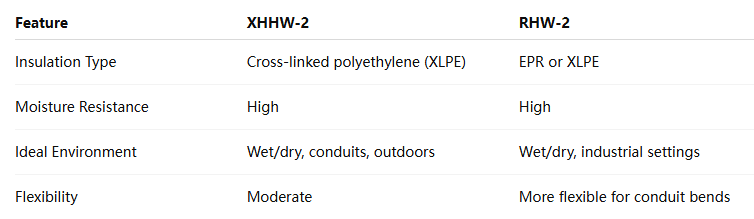
Understanding these differences is crucial for engineers, contractors, and electricians. Choosing the correct wire type reduces installation challenges and ensures long-term reliability.
Applications of XHHW-2 and RHW-2 Wires
Both XHHW-2 and RHW-2 have widespread applications across multiple sectors:
- Residential Wiring: Safe, efficient, and code-compliant electrical circuits in homes.
- Commercial Buildings: High-rise offices and retail outlets require wires that withstand heat and mechanical stress.
- Industrial Plants: RHW-2 is ideal for damp, high-temperature environments like factories or refineries.
- Outdoor Installations: XHHW-2’s moisture resistance makes it perfect for exterior conduits and underground wiring.
Using UL-certified wires reduces the risk of electrical fires, short circuits, and insulation failure, ensuring long-term safety.
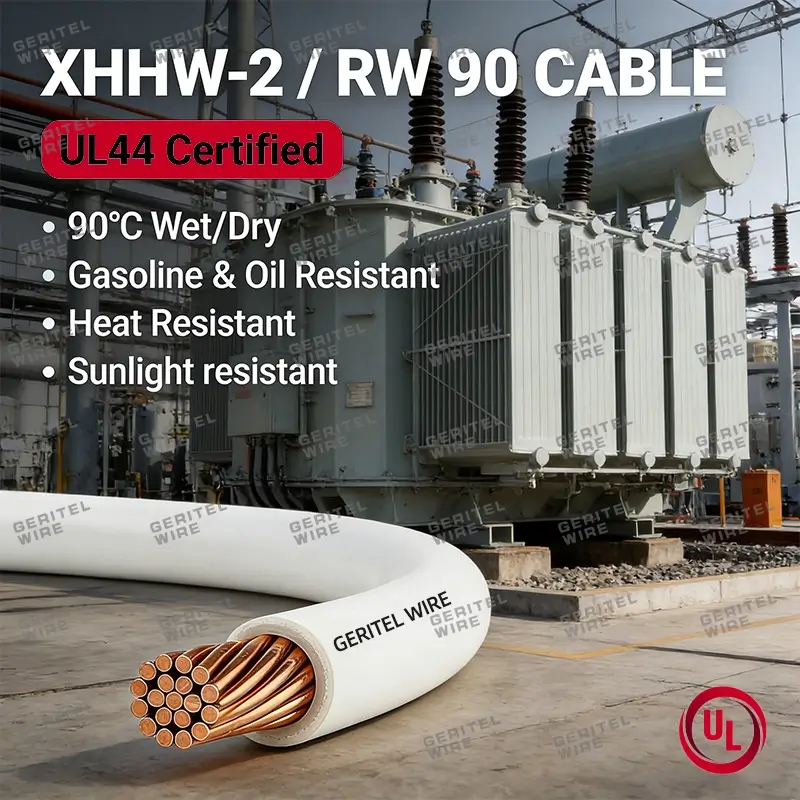
Tips for Choosing the Right Wire
Selecting XHHW-2 or RHW-2 wire requires careful consideration:
- Verify UL44 certification.
- Confirm temperature and voltage ratings match the installation requirements.
- Evaluate environmental conditions: wet, dry, or corrosive.
- Consult with professional suppliers to ensure proper installation practices.
Professional guidance can prevent costly errors and help maximize the lifespan of your wiring system.
Conclusion
Understanding how UL44 defines XHHW-2 and RHW-2 wires is essential for electricians, engineers, and contractors. These standards ensure that wires are capable of handling high heat, moisture, and electrical stress safely, even for specialized applications like XHHW-2 cable for power transmission and XHHW electric cable for oil gas use. By sourcing UL-certified products from professional suppliers, you not only comply with industry standards but also enhance reliability, safety, and efficiency in your electrical installations.
Contact us Now
Quality cables from a factory you can trust. Long-term cooperation welcome.
⚡Tel/WhatsApp/WeChat: +86 136 6257 9592 / +86 135 1078 4550
⚡Email: manager01@greaterwire.com
 Why Is XHHW-2 Cable Popular for Commercial Power Distribution?



 Building 2, No. 40 Luxi 2nd Road, Liaobu Town, Dongguan City, Guangdong Province, China